


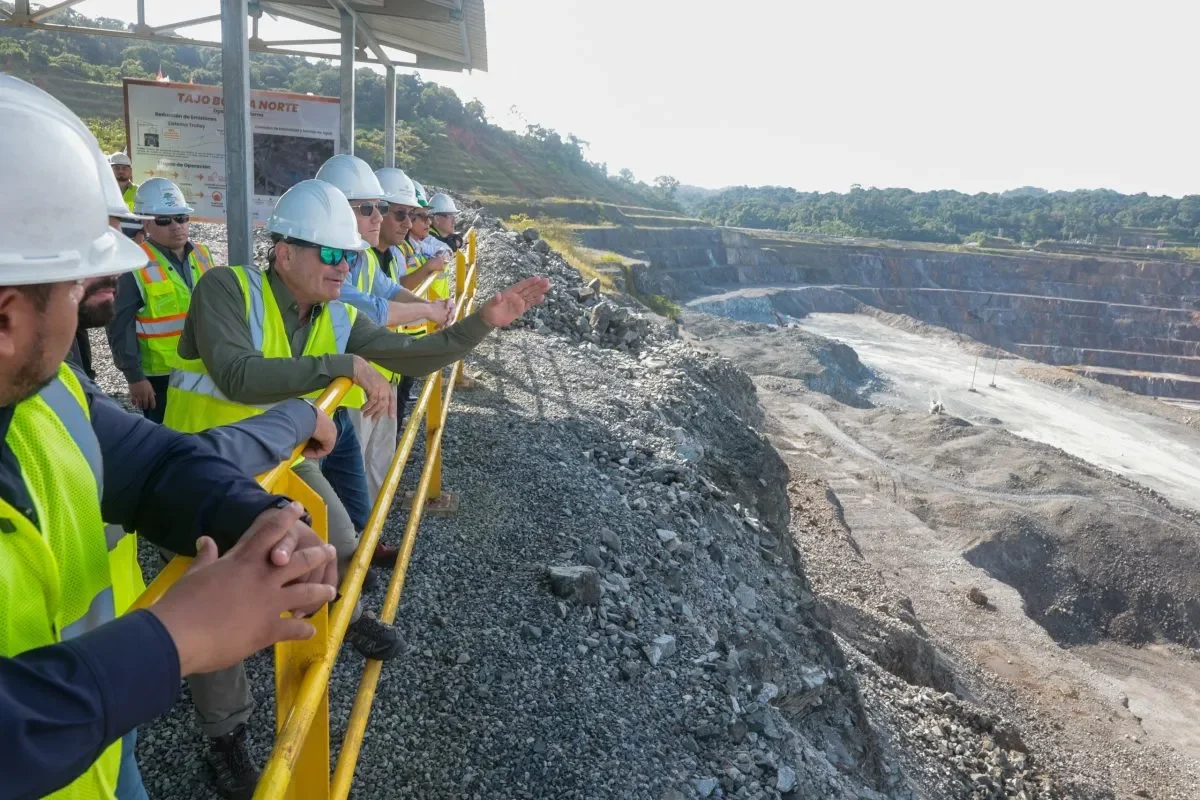
Fifteen communities living along the watershed surrounding Panama’s copper mine will soon have direct oversight of water quality monitoring in their rivers and streams. Environment Minister Juan Carlos Navarro is set to launch the new community-based program during a working visit to the Donoso region on August 24, 2026, where he’ll also inspect progress on the Safe Management Plan for the mining site. The initiative puts scientific tools and independent laboratory verification directly into the hands of local residents who depend on these water sources for daily survival and economic activity.
Community Water Quality Monitoring Across the Watershed
The program spans fifteen settlements distributed throughout the mine’s area of influence. Among the participating communities are Río Caimito, Sinaí, Nueva Lucha, Nueva Esperanza, Nuevo Edén, San Benito, San Juan de Turbe, Llano Grande, Cascajal, Ranchería, Villa del Carmen, Coclesito, Los Molejones, Nuevo San José, and Nazareno. This distribution across different sectors of the basin serves a deliberate purpose, allowing residents and officials to evaluate how conditions upstream affect water quality downstream and to trace any contamination to its source.
Three communities will add another layer of scientific observation from the very first sampling cycle. Sinaí, San Benito, and San Juan de Turbe will incorporate aquatic bioindicators into their monitoring work. These biological markers function as an early warning system because certain aquatic organisms respond rapidly to pollution and can reveal environmental changes that chemical testing alone might overlook. The entire water quality monitoring effort also benefits from a chain of custody managed by accredited laboratories with extensive experience in water quality assurance.
That independent verification matters to residents who have long worried about whether official environmental testing could be influenced by mining interests. The Ministry of Environment has emphasized that these laboratories maintain proper accreditation and a verifiable trail from sample collection through final analysis, creating results that both communities and government agencies can trust.
Safe Management Plan Under Direct Scrutiny
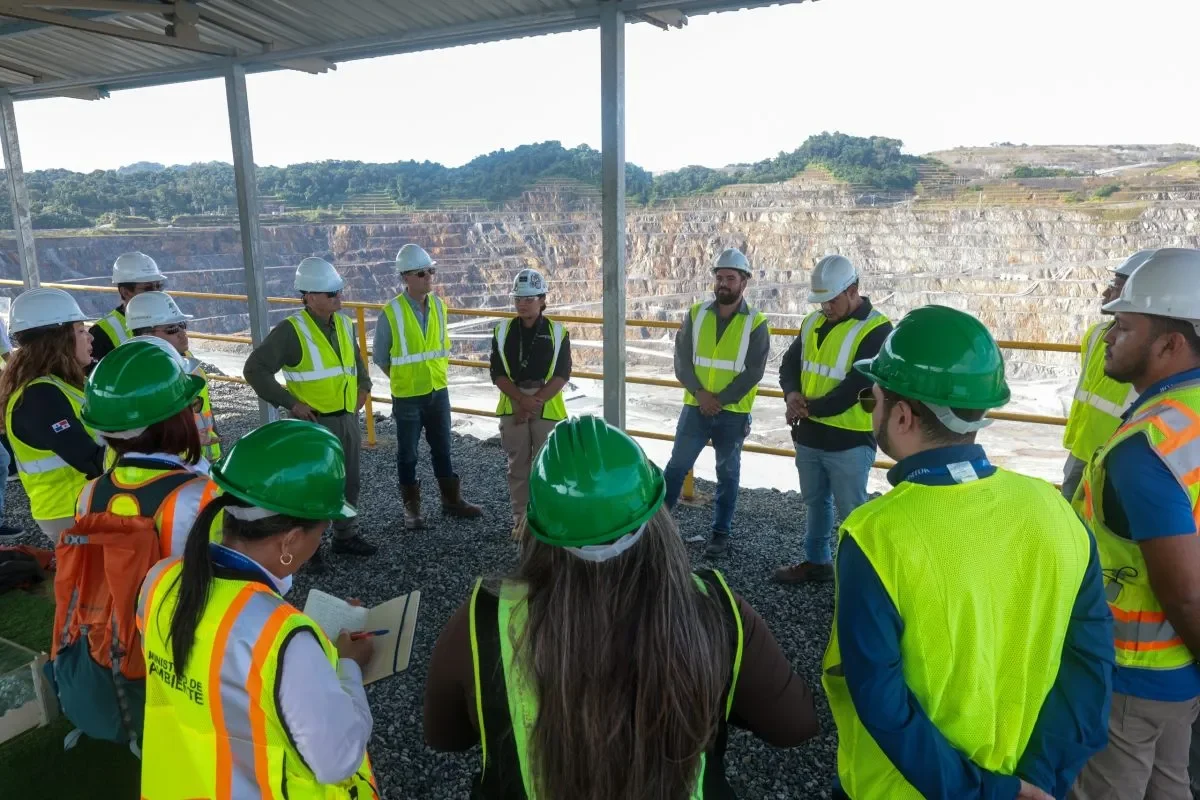
Navarro’s visit to the copper mine region goes far beyond launching the community program. The minister plans to verify on the ground whether the Safe Management Plan is functioning as intended. This includes checking restoration commitments, reforestation efforts, and water protection measures that fall under the environmental obligations tied to the mine’s operations. The inspection forms part of the ongoing study and evaluation phase currently underway at the site.
A working meeting with the implementation team will assess what has been accomplished so far and identify areas needing attention. The Safe Management Plan, known locally by its Spanish acronym PGS, represents the framework for environmental compliance at the copper mine. Direct dialogue with communities in the Donoso area of influence remains a central pillar of the minister’s approach. Rather than relying solely on reports from operators, the government is putting boots on the ground to see conditions firsthand.
Local Residents as Environmental Stewards
Community participation in water quality monitoring transforms residents from passive observers into active stewards of their water resources. Each participating settlement gains access to data generated through the program, along with training and technical support to interpret the findings. This collaborative model mirrors similar participatory monitoring initiatives across Latin America that have strengthened environmental governance in mining regions and given local populations leverage in negotiations with industry.
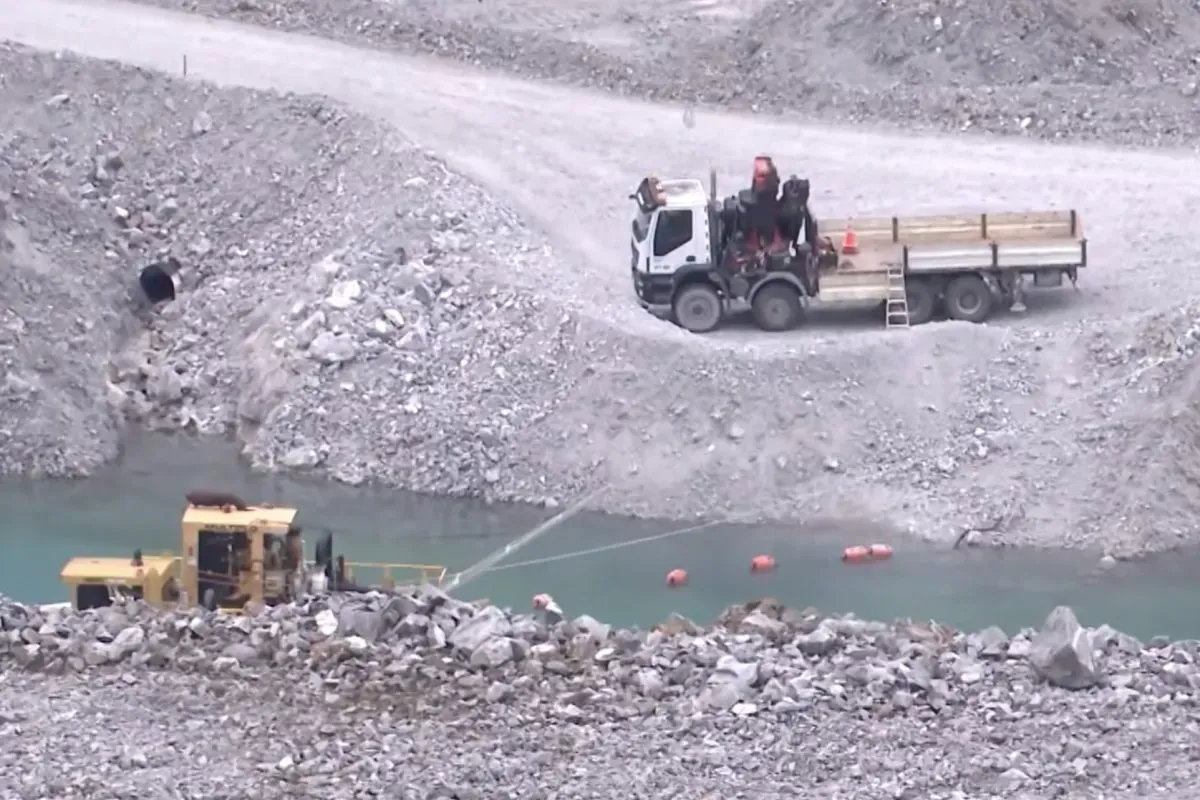
The geographic spread of monitoring points provides a comprehensive picture of the watershed’s overall health. Communities located at different elevations and distances from the mine will contribute data that, when analyzed together, reveals patterns that isolated testing could never capture. A spill or discharge affecting one section of the river would show up quickly in the data collected by communities downstream, creating a network of watchful observers backed by scientific methodology.
Environmental Restoration and Future Accountability
The minister’s supervision includes a close look at reforestation and restoration activities required under environmental commitments. These obligations form part of the broader effort to mitigate the mine’s footprint and protect water resources for future generations. Navarro has positioned community involvement as essential to that mission, recognizing that local knowledge combined with scientific rigor produces the most reliable and actionable results.
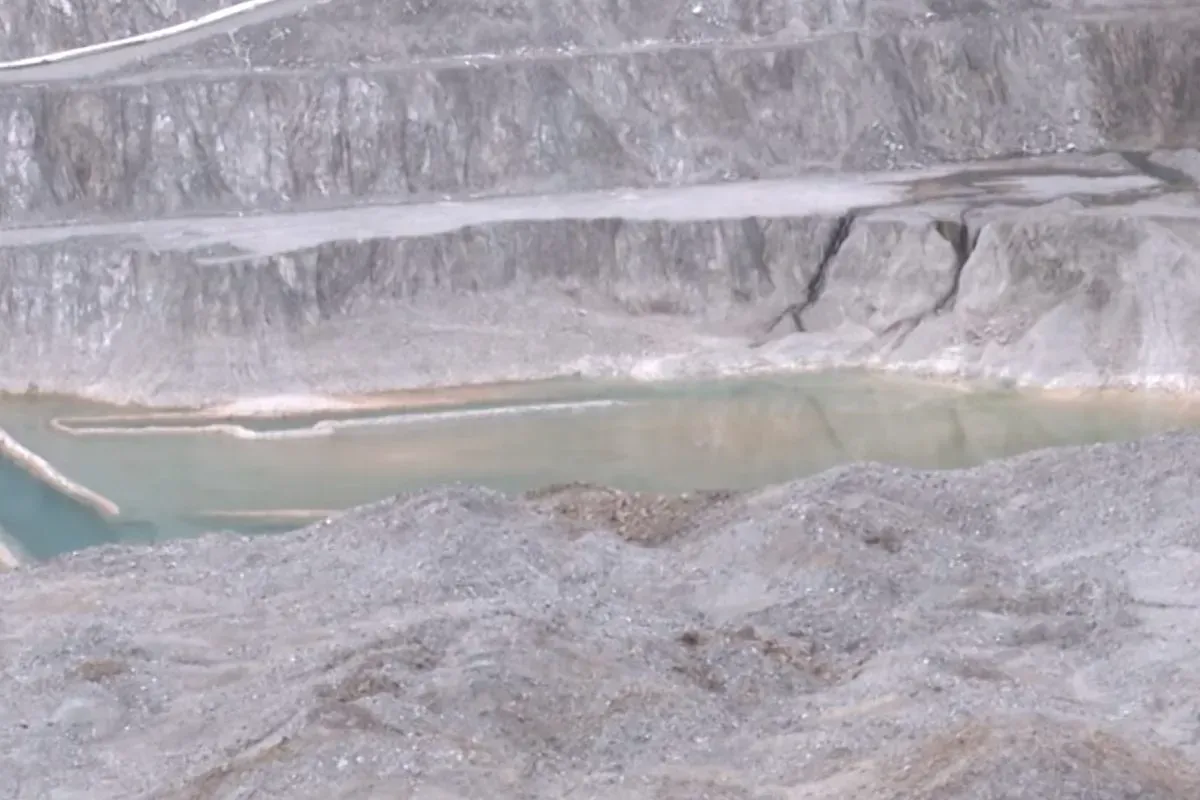
The launch of this program signals a shift toward greater transparency in how environmental oversight operates in Panama’s mining sector. For the fifteen communities now equipped to monitor their own water sources, the program represents both a practical tool and a recognition of their right to participate meaningfully in decisions affecting their environment. The chain of custody arrangements and independent laboratory verification address longstanding concerns about accountability.
As the study and evaluation phase continues, officials expect the combination of community monitoring, independent laboratory verification, and direct ministerial oversight to establish a new benchmark for environmental accountability in the region. The real test will come in the months ahead as data accumulates and communities begin using that information to advocate for their interests. Both government and industry will face greater pressure to protect shared water resources as residents gain the technical capacity to document environmental changes with scientific precision.