


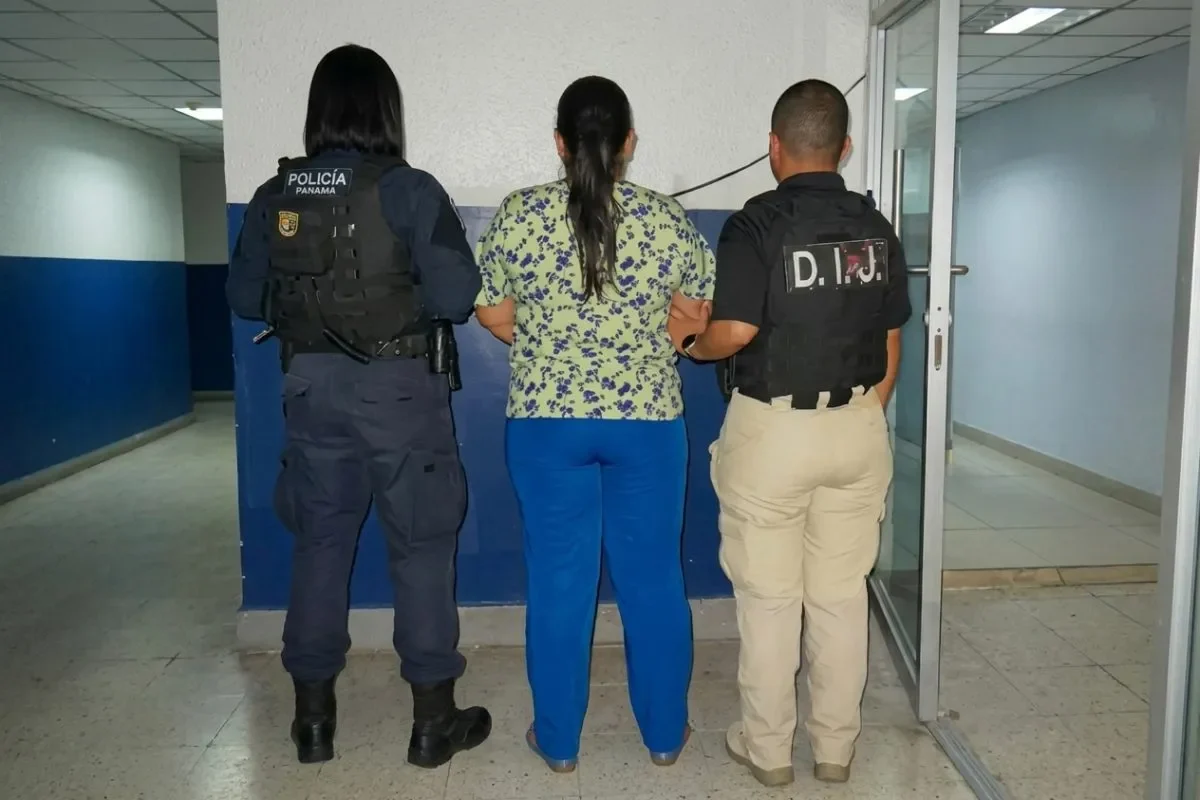
A sweeping law enforcement operation across Panama has resulted in the arrest of 23 people linked to an organized network that authorities say specialized in fake diploma sales. The operation, called Credenciales 1.0, targeted individuals suspected of manufacturing and selling fraudulent academic titles, credits, and diplomas to help buyers secure jobs within the public education system. Police and prosecutors executed search warrants in seven provinces after a judge authorized the coordinated raids.
Anatomy of a Fake Diploma Sales Network
Investigators believe the network operated by exploiting the names of well-known Panamanian universities without their consent. The scheme allegedly produced and sold academic documents at an accelerated pace, bypassing the normal years of study and examination required for legitimate credentials. Buyers then used these forged documents to apply for teaching positions and other roles inside the education sector.
The fraudulent operation came to light after the Ministry of Education filed criminal complaints about irregularities found in its official hiring platform. Authorities said the network marketed its services to people seeking quick access to competitive jobs that normally require verified university degrees. Instead of genuine academic achievement, customers allegedly paid for paperwork that looked authentic on the surface but crumbled under scrutiny.
Nationwide Raids and Seized Evidence
The simultaneous operations stretched across Bocas del Toro, Chiriquí, Coclé, Panamá Oeste, Panamá, Colón, and Darién. Officers from the Judicial Investigation Directorate and the National Police Intelligence Directorate worked alongside the Second Superior Prosecutor’s Office Against Organized Crime. During the raids, authorities seized diplomas, invoices, and technological equipment believed to be connected to the illicit document production.
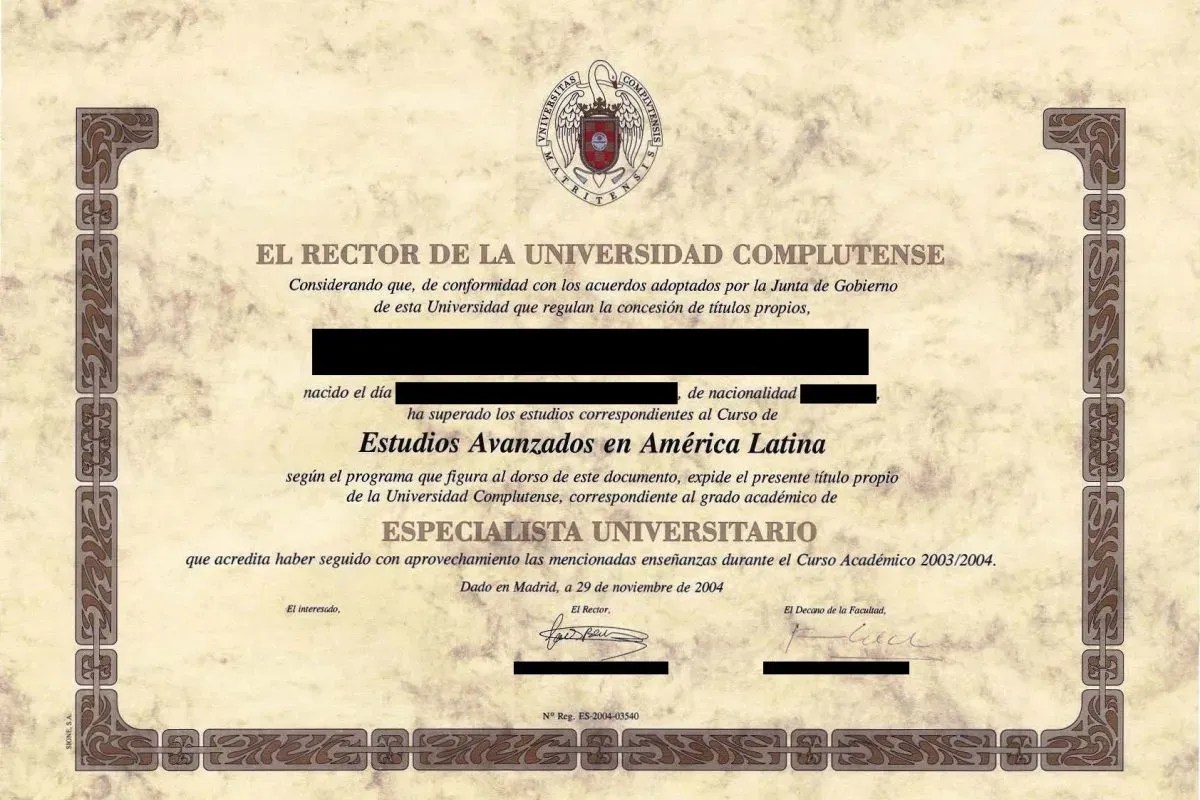
The geographic spread of the arrests underscores how far the alleged fake diploma sales operation had reached. By conducting searches in both urban and rural provinces, investigators signaled that the problem extended well beyond the capital. The evidence collected will likely help prosecutors map out the network’s full supply chain and identify additional suspects.
Education Ministry Flags Irregularities in Hiring System
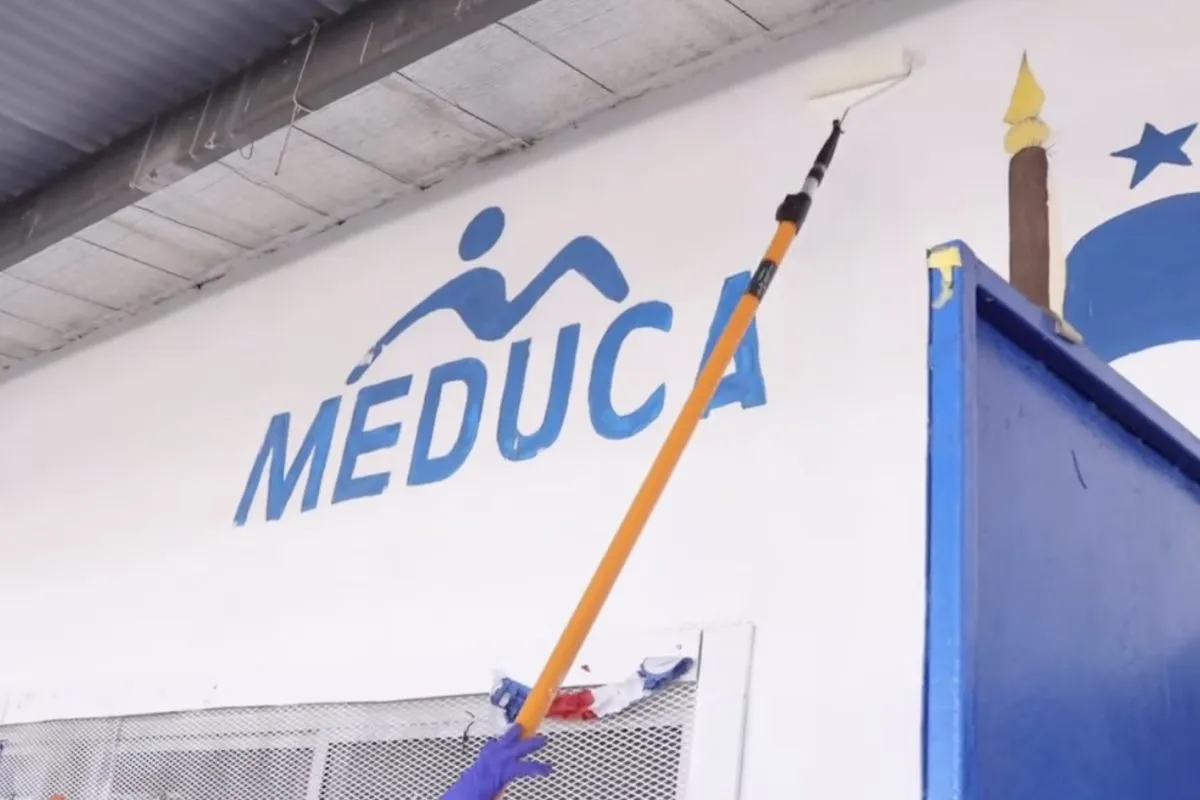
The Ministry of Education first detected anomalies in the Sistema de Recursos Humanos, known as SIARHE, which is the official platform used to select candidates for teacher appointment competitions. Officials noticed documents that raised red flags and reported the findings to prosecutors. That triggered the larger investigation into how forged credentials were being inserted into the recruitment pipeline.
Beyond the 23 arrests, the ministry has since identified roughly 200 additional suspected fake diplomas, bringing the total number of complaints to 401. This growing tally suggests the problem may be far more extensive than initially believed. It also raises questions about how many people may have already secured positions using fraudulent qualifications before the crackdown began.
Legal Consequences and the Fight Against Credential Fraud
The detained individuals face potential charges for crimes against public administration, crimes against public faith, and illicit association. Prosecutors plan to bring them before guarantee courts to request formal measures. The case marks a key significant recent efforts to combat credential fraud in Panama’s education sector.
For a country where teaching jobs and public sector roles carry substantial stability and benefits, the integrity of academic credentials remains a critical safeguard. The crackdown on fake diploma sales and the ongoing review of suspicious documents signal that authorities are now treating credential fraud as a serious threat to institutional trust. As the judicial process unfolds, education officials and law enforcement will likely expand their review of past hiring decisions to determine the full scope of the damage.