



Every country generates a perception abroad, but only some actively shape it. The Panama brand launch on Wednesday marked a deliberate effort to seize that narrative, presenting “Anfitrión del mundo” (Host of the World) as the unified identity for tourism, investment, trade, logistics, culture, and connectivity. Officials framed the initiative not as a marketing campaign but as a long-term strategy to position the isthmus as more than a transit point between oceans.
The timing reflects a broader reckoning within Panamanian institutions. For decades, the country has leaned on the Panama Canal as its global calling card. But the new identity pushes a more expansive story, one rooted in the nation’s historic role as a meeting point for continents, cultures, commerce, and ideas. Panama has hosted global trade routes, international banking operations, and waves of migration for over a century, and the brand seeks to turn that inherited role into a competitive advantage.
Panama Brand Launch Signals a Strategic Shift
Minister of Tourism Gloria de León described the country brand as the unified expression of national identity. She rejected the notion that a brand is merely a visual exercise.
“A country brand is not just a logo, nor is it a slogan or an advertising campaign. A country brand is the unified expression of a nation’s identity and of what we want the world to recognize and value about us” [Translated from Spanish]
De León went further, arguing that perception formation is inevitable. The question is whether a country directs that process or leaves it to chance.
“When one does not define who they are or what they want to represent, others end up building that perception for them” [Translated from Spanish]
That philosophy underpins the entire initiative, which officials say was developed after studies conducted both inside and outside Panama, alongside analysis of international brand strategies and field visits across the country to identify differentiating attributes.
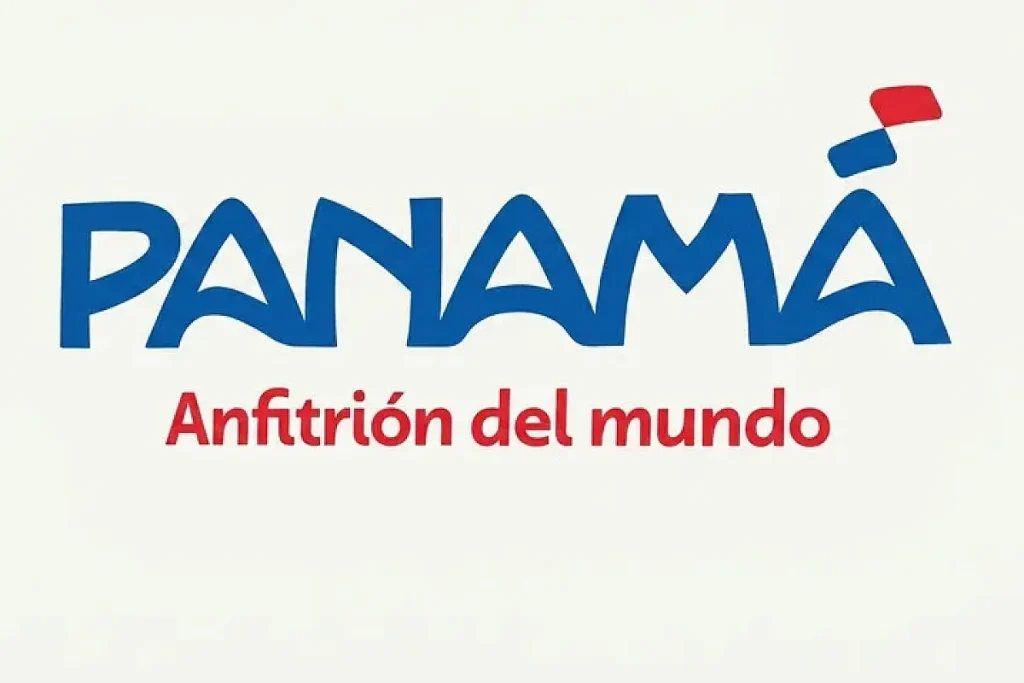
Design Elements and Visual Storytelling Behind the Identity
The visual identity centers on the name “Panamá” with deliberate typography choices. Three distinct letter “A”s represent the country’s diversity, while their curves evoke the Atlantic and Pacific oceans that frame the territory. The accent mark on the final syllable, a distinguishing feature of the Spanish name, was designed as a symbol of encounter and value-generating connections.
Water movement serves as a recurring inspiration throughout the design, a nod to the canal that has defined Panama’s economic and geopolitical role since its opening in 1914. The logo’s fluid lines suggest openness and motion, concepts officials say reflect the nation’s service-oriented character.
“We are unique by nature and hosts by vocation” [Translated from Spanish]
the launch narrative states. This visual language positions Panama not as a passive corridor but as an active facilitator of global exchange.
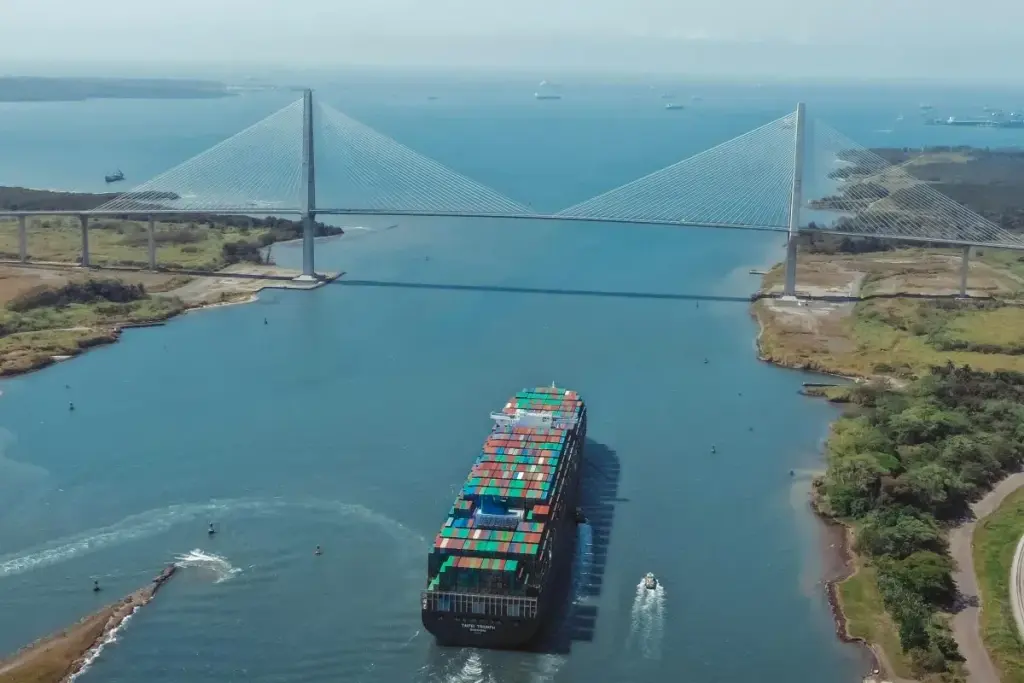
Economic Pillars and Global Competitive Advantages
Beyond aesthetics, the strategy aims to consolidate Panama’s economic story under a single umbrella. The presentation highlighted the country’s logistics platform, including the expanded Panama Canal, its ports and airports, the international banking center, the dollarized economy in place since 1904, extraordinary biodiversity, and a multicultural society shaped by centuries of migration. These assets have long been promoted individually by different agencies, but the Panama brand launch represents the first coordinated attempt to unify them.
Vice Chancellor Carlos Arturo Hoyos framed the ambition in expansive terms. The identity seeks to project Panama
“as a nation that gives life to every opportunity and an opportunity to every life” [Translated from Spanish]
That language targets multiple audiences simultaneously: foreign investors evaluating regional headquarters, tourists considering Central American destinations, exporters seeking efficient routes, and cultural institutions exploring partnerships. The brand platform also aims to strengthen exports and promote commercial and cultural exchange as complementary pillars of national promotion.
A Brand Owned by Every Panamanian
The launch’s most striking message addressed domestic ownership.
“From today this brand belongs to every Panamanian” [Translated from Spanish]
was delivered as a central declaration. This framing acknowledges a common pitfall of country branding efforts: they fail when citizens do not recognize themselves in the narrative. Officials hope that adoption by institutions, businesses, and ordinary Panamanians will prevent the identity from becoming another government initiative that fades with political cycles. Unlike ad hoc tourism campaigns that shift with each administration, this brand was conceived as a durable national asset.
The private sector’s involvement appears essential to the strategy’s longevity. By positioning the brand as a shared platform rather than a state project, the architects of the Panama brand launch are betting that commercial actors will voluntarily integrate the identity into their own marketing. That distributed adoption, if successful, could give the brand resilience across future governments and political transitions.
Ultimately, the “Host of the World” concept attempts to convert Panama’s geographic advantage into a recognizable global identity. Whether the brand achieves traction will depend less on the logo’s design and more on consistent execution across tourism promotion, investment outreach, export campaigns, and cultural diplomacy. The foundation is now in place, and the message has been articulated clearly. The challenge ahead lies in making the world listen, remember, and associate Panama with the welcoming spirit its new identity proclaims.