


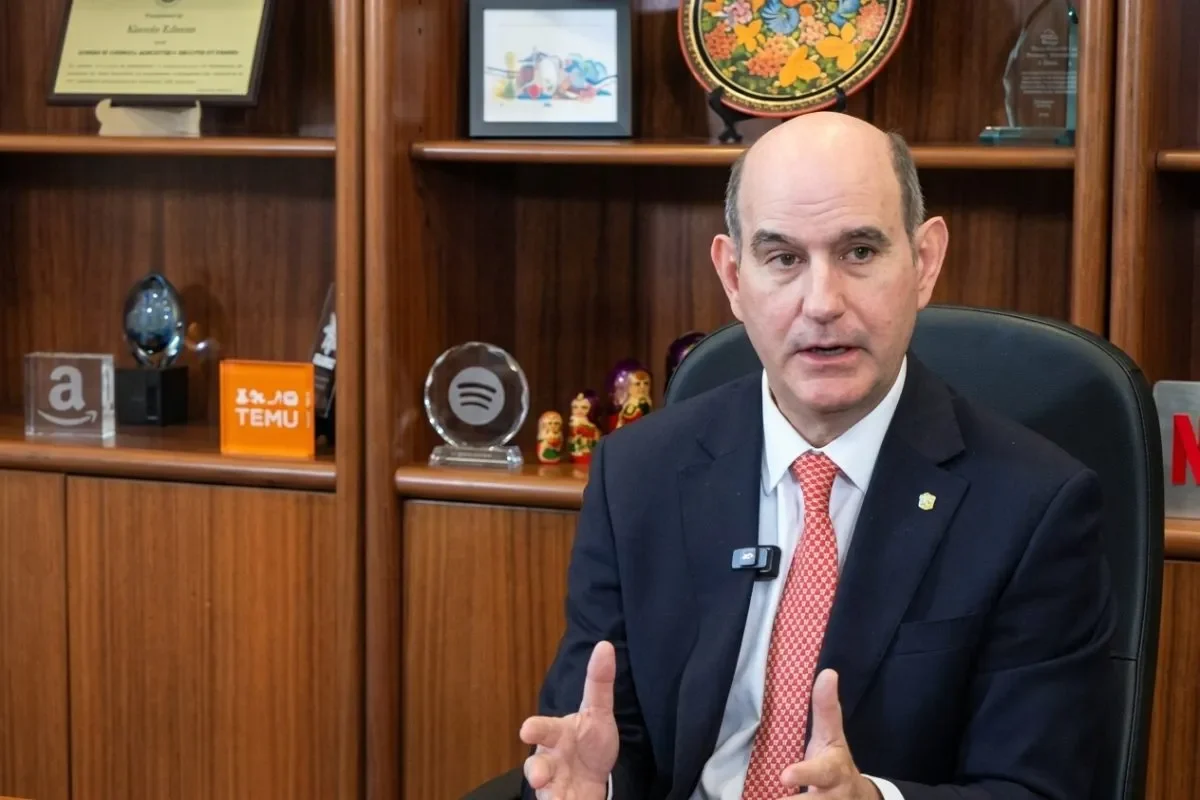
Panama’s government confirmed Monday, August 24, that the digital tax halted after intense public criticism, with Economy and Finance Minister Felipe Chapman acknowledging that citizens’ opinions must be weighed carefully. The proposed expansion of the 7% ITBMS sales tax to international digital platforms like Netflix, Uber, and Amazon won’t move forward in the short term, Chapman told reporters.
Why the Digital Tax Halted After Citizen Outcry
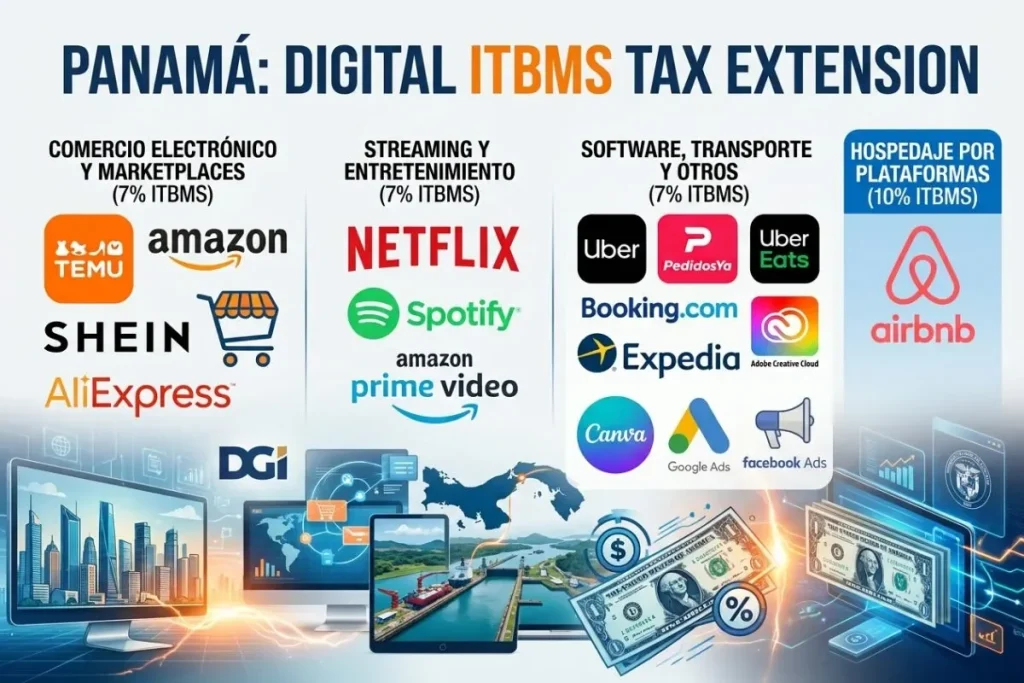
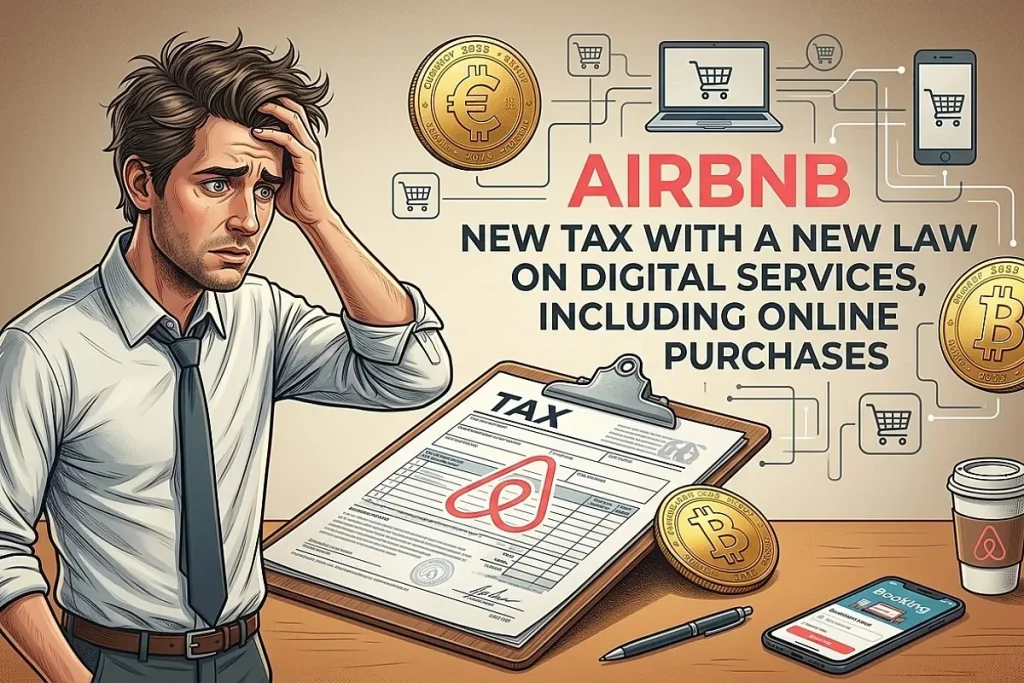
The pushback centered on how the tax would hit everyday users. Streaming subscriptions, ride-hailing fares, and online purchases would have become more expensive as companies passed the 7% charge directly to consumers. Analysts and citizens alike pointed out that Panama’s middle class and professionals, who rely heavily on these services, would absorb the biggest financial hit. The proposal would have also covered short-term rental platforms such as Airbnb.
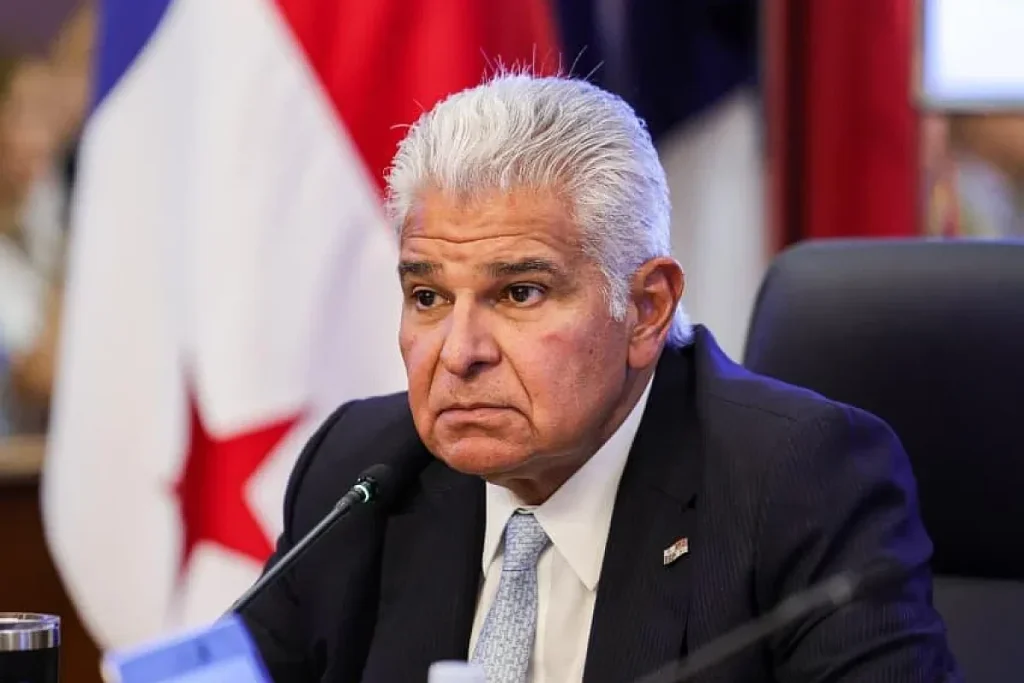
Critics raised a broader governance concern too. Before hunting for new revenue streams, they argued, the state should first demonstrate real cuts in political spending and better management of public resources. That argument appears to have resonated with the administration. Chapman admitted he spent the weekend reviewing public comments and recognized that he and President José Raúl Mulino don’t hold a monopoly on wisdom.
“One is not the owner of the truth” [Translated from Spanish]
The minister’s remarks signaled a rare retreat from a fiscal proposal that his own ministry had only recently floated. It also revealed how quickly public sentiment can reshape policy decisions in Panama’s social media age.
The Constitutional Twist That Changed the Calculus
Chapman originally framed the digital tax as a substitute revenue source. The plan was to offset the elimination of the Property Transfer Tax (ITBI) for new homes priced up to $120,000. Under that logic, taxing international digital services would compensate for the lost revenue from housing transactions.
But the minister reversed course on that justification Monday. He explained that removing the ITBI for lower-priced housing doesn’t actually require a replacement income stream, because those projected revenues were never incorporated into the general state budget. He cited Article 276 of the Constitution, which mandates a substitute income source only when eliminating revenue already counted in the budget. Since the ITBI revenue wasn’t part of the budget’s income projections, the constitutional requirement simply doesn’t apply here.
This effectively removed the legal urgency behind the digital tax proposal. Without that constitutional anchor, the administration found itself free to pause the initiative and reassess its options without violating fiscal rules. The distinction is subtle but significant for a government that has promised fiscal discipline.

Revenue Ambitions and What Comes Next
The stakes were considerable. Government calculations showed that applying the 7% ITBMS to digital economy transactions could generate more than $100 million annually. The Ministry of Economy and Finance had already held discussions with major card-issuing banks and payment companies including Visa, Mastercard, and American Express to design a workable collection mechanism for cross-border digital purchases.
The digital economy in Panama has grown rapidly, making it an attractive target for tax authorities. But the backlash also reflects a deeper frustration with recurrent corruption scandals and perceived waste in government spending. Citizens have long demanded that politicians tighten their own belts before reaching into consumers’ wallets.
Those payment company conversations now sit in limbo. Chapman said the executive branch must explore other alternatives to boost tax collection and fight evasion. The digital tax halted means Panama loses, at least for now, a potential nine-figure revenue stream that could have helped narrow the fiscal gap.
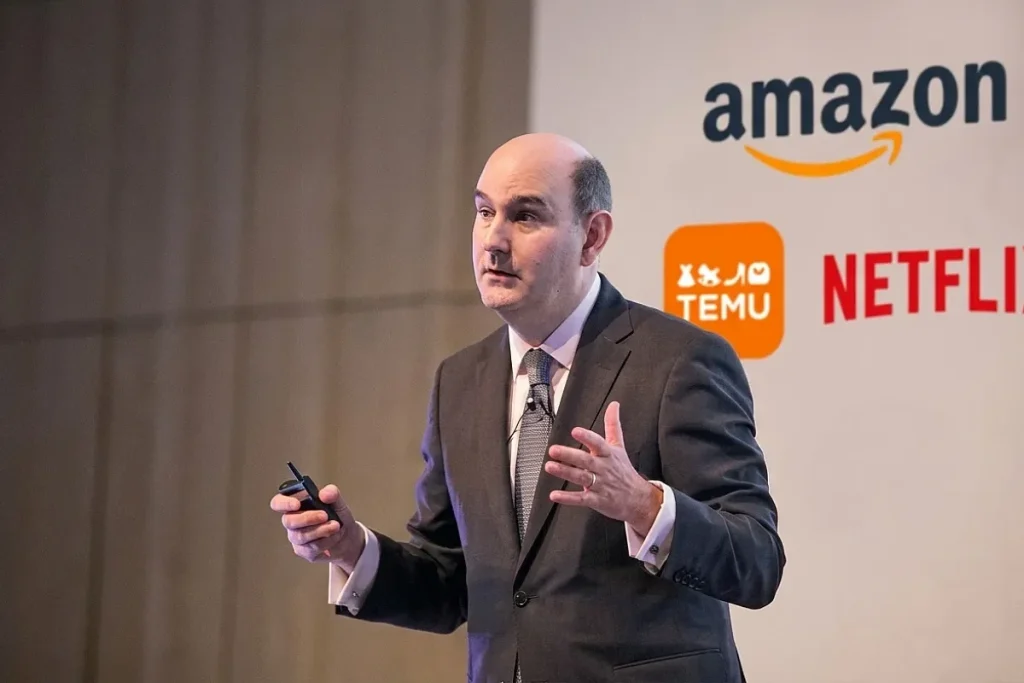
But the minister’s comments suggest the government hasn’t abandoned the idea permanently. Instead, officials appear to be recalibrating their approach after underestimating the public reaction. The episode highlights a growing tension across Latin America, where governments eager to tax the digital economy often collide with consumers who see such levies as regressive and poorly timed.
In summary, the pause gives the Mulino administration breathing room to craft a more palatable proposal, if one emerges at all. For now, Panamanian consumers can keep their Netflix subscriptions, Uber rides, and online shopping habits without worrying about an added 7% tax. The broader debate about taxing digital services, though, is far from over.