


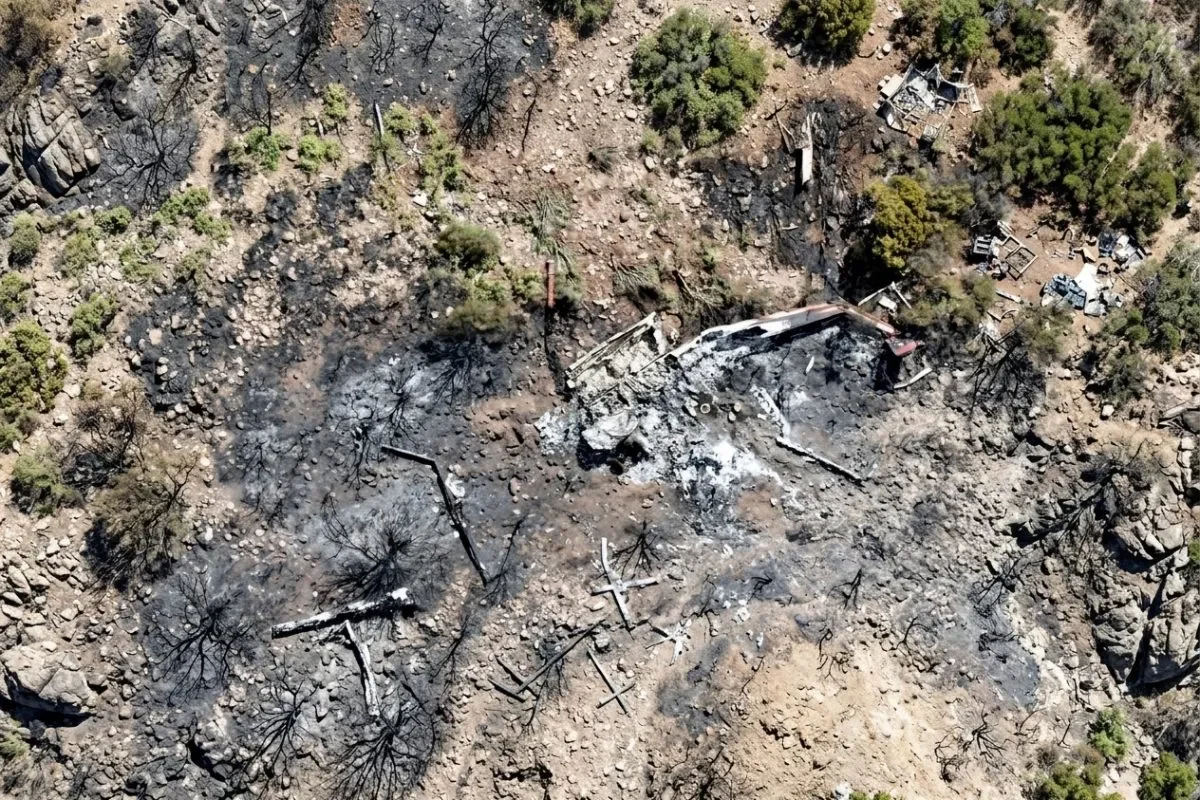
A remote stretch of northern Kenya became the scene of a deadly aviation accident Wednesday when a Eurocopter EC130 carrying six tourists and a pilot crashed near Mount Ololokwe, killing all seven people aboard. The Kenya helicopter crash happened at 9:13 a.m. local time in an area popular with hikers and safari visitors roughly 350 kilometers north of Nairobi, according to the Kenya Civil Aviation Authority.
Among the dead were José Alberto Suárez, 55, president and general manager of three Telemundo stations in Florida, and Michele Sensi-Contugi, director of Ecuador’s National Intelligence Center, along with Sensi-Contugi’s wife, Stephany Hollihan, a fashion designer from Guayaquil. The U.S. State Department confirmed that four of the victims were American citizens, though officials did not immediately release the full list of names.
Kenya Helicopter Crash Claims Seven Lives
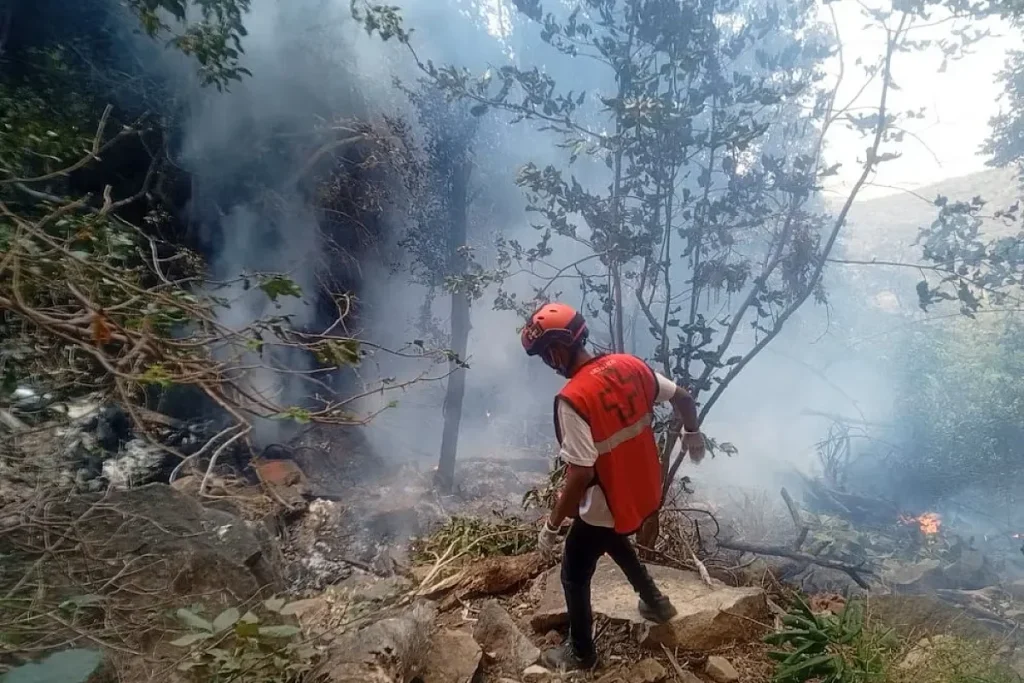
The aircraft went down near a rugged formation known locally as Mount Ololokwe, a destination that draws tourists for its dramatic cliffs and walking trails. Kenyan authorities said the helicopter was carrying six tourists and its pilot when it crashed in a remote area that complicated initial rescue efforts. Members of the Kenya Red Cross and other rescue teams used drones to survey the site before ground crews could reach the wreckage.
The crash site sits far from major roads in a semi-arid region of Samburu County, where terrain and limited infrastructure can slow emergency response. The Kenya Civil Aviation Authority confirmed the aircraft type and the time of the incident but has not released a cause. Investigators from Kenya‘s Department of Air Accident Investigations, part of the Ministry of Roads and Transport, are leading the inquiry into the crash.
Aviation safety specialists point out that single-engine helicopters like the EC130 are widely used for safari and charter flights across East Africa, often operating in high temperatures and mountainous terrain. No official determination has been made about whether weather, mechanical failure, pilot error, or another factor contributed to the accident.
Victims Span Media and Intelligence Leadership
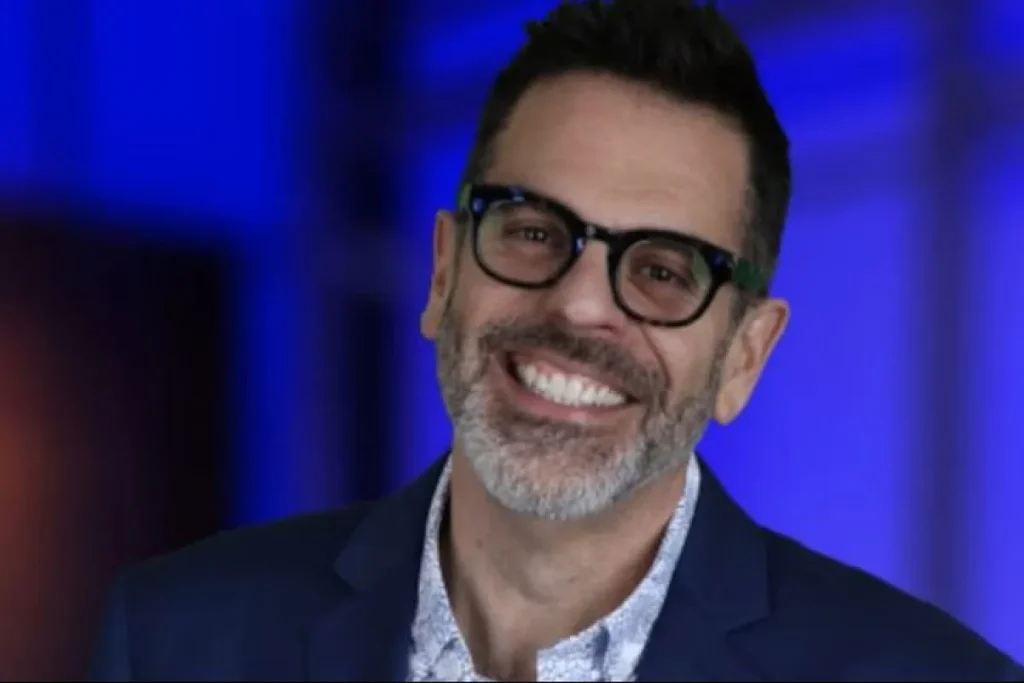
Suárez had spent 18 years with Telemundo and had led its Orlando, Tampa, and Fort Myers-Naples stations since 2024, according to a company statement. Born in Florida, he began his broadcasting career as a reporter and anchor before moving into station management. His previous leadership roles included stations in Sacramento, Las Vegas, Fresno, Salt Lake City, and San Antonio, and his work earned several regional Emmy Awards.
Telemundo’s top executives issued a statement describing Suárez as a dedicated manager who cared about his teams and the communities his stations served. The company said he was traveling in Kenya when the helicopter crashed. In the statement, Telemundo leaders shared their grief.
“We are heartbroken to learn the tragic news that José died in a helicopter crash in Kenya,” the company said. “José was an exceptional colleague concerned about his teams and the communities his stations served.” [Translated from Spanish]
Sensi-Contugi had been in his role since January 2024, when Ecuadorian President Daniel Noboa appointed him to lead the National Intelligence Center, formerly known as the Strategic Intelligence Center. His wife, Stephany Hollihan, was remembered as a fashion designer from Guayaquil. The couple’s deaths alongside U.S. media executive Suárez gave the remote crash an unusually high-profile international dimension.
Investigation and Remote Terrain Challenges
Rescuers faced significant access problems after the wreckage was located. The area around Mount Ololokwe is known for rocky slopes, scattered vegetation, and few paved roads. Drones helped responders understand the scene and coordinate their approach before full ground access was possible, according to Kenyan authorities and the Red Cross.
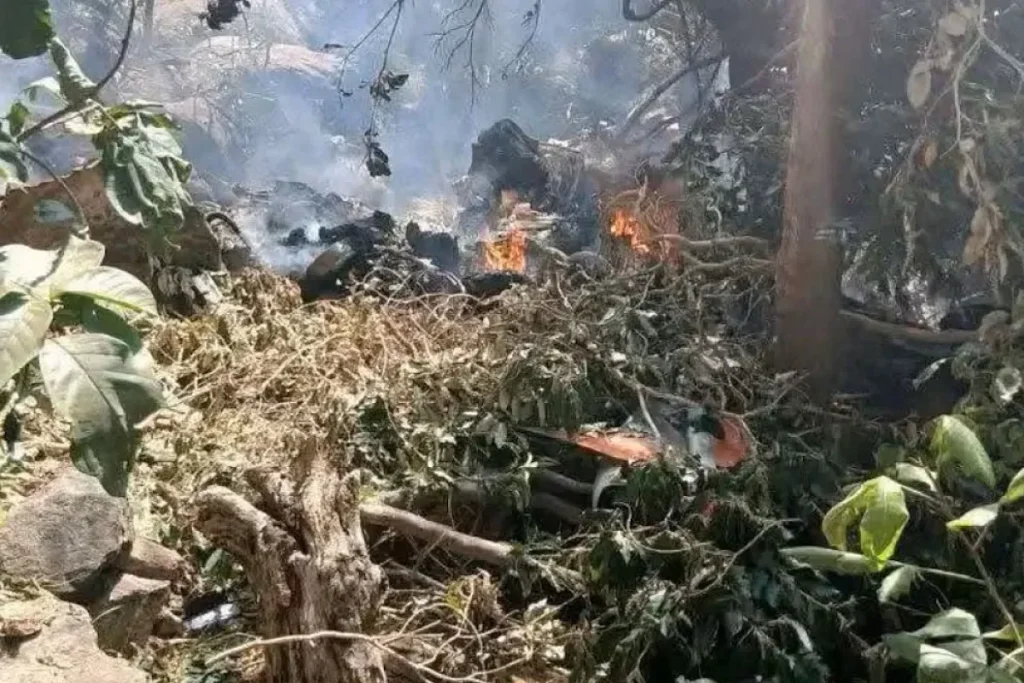
Neither the U.S. State Department nor Kenya’s aviation authority released all the identities of the deceased on the day of the crash, and the process of notifying families was still unfolding. The Department of Air Accident Investigations has not established a probable cause, and its work includes examining the aircraft, flight records, weather data, and operational history.
For Kenya’s tourism sector, the accident adds to ongoing safety discussions around small aircraft and helicopter operations that serve safari destinations and remote lodges. While air travel remains a key link for visitors reaching less accessible parks and conservancies, incidents in isolated areas can raise questions about oversight, maintenance standards, and emergency response capacity.
Regional and Industry Impact
The deaths of Suárez and Sensi-Contugi created a rare intersection between U.S. broadcasting and South American intelligence circles. Suárez’s career had spanned multiple U.S. markets, and colleagues across the industry remembered him as a leader who rose through the newsroom ranks. His management of three Florida stations put him in charge of local news operations serving a large Spanish-speaking audience in the United States.
Ecuador’s government faces a sudden leadership question at the National Intelligence Center, an agency that has been central to President Noboa’s security strategy. Sensi-Contugi’s appointment came during a period of heightened focus on organized crime and intelligence coordination, making his death a significant event for the administration.
The international nature of the crash has also drawn attention from consular officials in the United States and Ecuador, who are likely to assist families with repatriation and legal procedures. The U.S. State Department said it is providing consular support but did not identify the American victims, respecting family privacy during the notification process.
Ultimately, the full story of what brought down the Eurocopter EC130 may take weeks or months to emerge, as investigators gather evidence from a rugged and isolated landscape. For now, the Kenya helicopter crash has left two countries, two industries, and seven families mourning a sudden loss. The overlapping legacies of a Florida news executive, an Ecuadorian intelligence chief, and a Guayaquil designer underscore how quickly a single aviation accident can ripple across borders and institutions.