


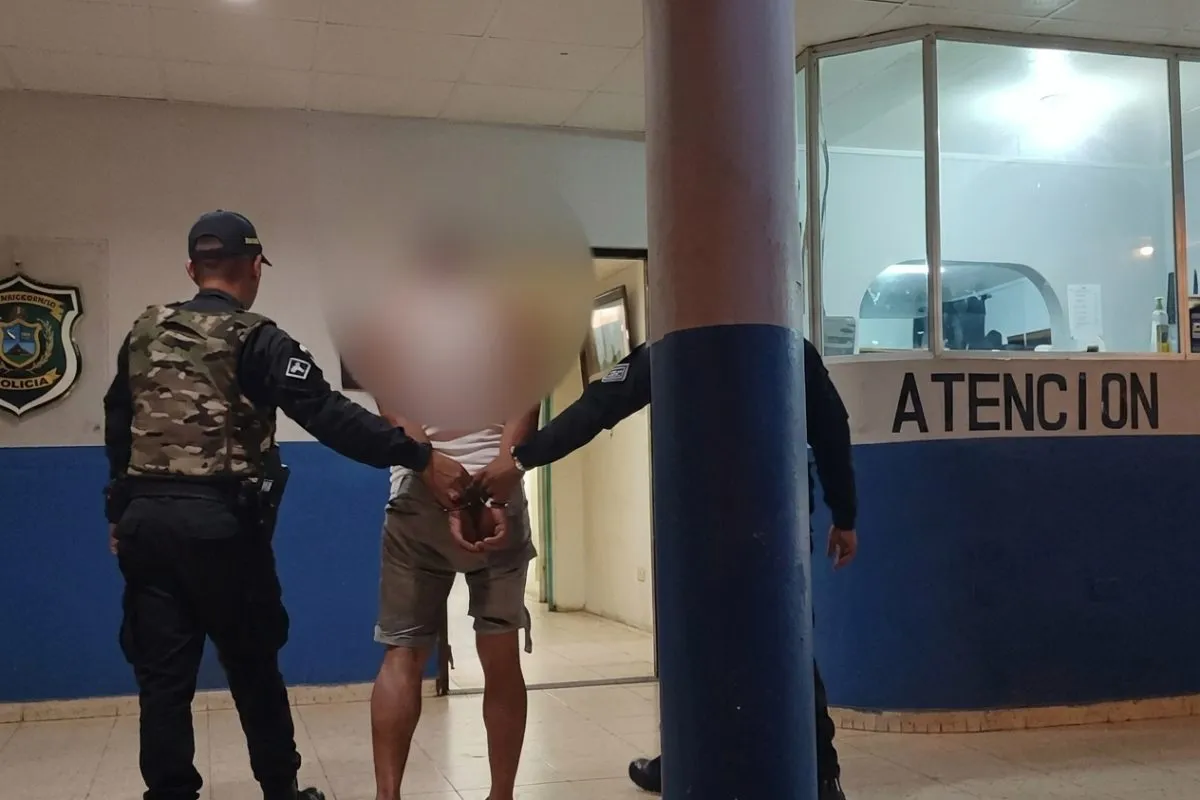
A pregnant woman shot in Caimitillo lost her life after suffering a bullet wound, but medical teams managed to deliver her baby through an emergency cesarean section. The newborn remains in delicate condition while doctors monitor the child closely. The shooting occurred in the Panama province community of Caimitillo, and authorities have opened an investigation to determine exactly what happened.
Emergency Cesarean and the Newborn’s Fight for Survival
Emergency responders and hospital staff acted quickly after the woman arrived with a gunshot wound. Because she was in advanced pregnancy, doctors performed a cesarean section in an attempt to save the baby. The procedure succeeded in delivering the infant, but medical sources said the child’s condition is fragile and requires specialized care.
Una embarazada en avanzado estado de gestación falleció tras ser impactada de bala en el sector de Caimitillo, los médicos lograron realizar una cesárea y el bebé se encuentra en estadio delicado.
— Telemetro Reporta (@TReporta) August 24, 2026
"Tenemos conocimiento de que su pareja estaba en casa con ella, fue otra tercera… pic.twitter.com/qfosw6aKrh
Authorities did not immediately release the victim’s age or how many weeks along she was. The timeline of the attack also remains unclear, although investigators are working to reconstruct the moments before the shooting. The baby’s survival, even after such a traumatic delivery, depends on the level of neonatal support available in the coming days.
Medical teams often face enormous pressure when a mother arrives with life-threatening injuries during late pregnancy. In this case, the emergency cesarean became the only possible way to give the child a chance. Doctors now have to manage any complications linked to blood loss, oxygen deprivation, or premature birth.

Investigators Focus on a Third Person at the Home
Yaravi Almanza, a psychologist with the Ministry of Women, shared preliminary information about the case. She said investigators believe the woman’s partner was at the residence when the shooting took place, but a third person may have been involved. That detail has shifted attention toward identifying everyone who was present.
“We have knowledge that her partner was at home with her, it was another third person involved in the situation,” Almanza said. [Translated from Spanish]
Almanza stressed that officials are waiting for the Public Prosecutor’s Office to complete its work before drawing conclusions. The prosecutor’s investigation will determine whether the shooting stemmed from domestic violence, an external conflict, or another set of circumstances. No one has been formally declared responsible at this stage.
“Up to now we are precisely waiting for the Prosecutor’s Office in the context of the investigations to be able to corroborate what has happened in this event,” she said. [Translated from Spanish]
Pregnant Woman Shot in Caimitillo Highlights Broader Safety Concerns
The case underscores persistent concerns about violence against women in Panama, especially when victims are pregnant or otherwise vulnerable. In recent years, Panamanian authorities have strengthened legal tools to address femicide and domestic violence, but activists say prevention remains uneven across many communities. A shooting inside a home where a partner was present raises questions about how quickly risk escalates behind closed doors.
Gender-based violence often intensifies during pregnancy, according to public health researchers. A pregnant woman shot in her own community is not just a homicide case; it is also a maternal health emergency. that doctors could deliver the baby does not erase the trauma or the long road ahead for the child and family members.
Community organizations frequently point to the need for earlier intervention when households show signs of conflict. The Caimitillo case, with its unclear sequence of events, may test how well local institutions coordinate between law enforcement, health services, and women’s protection agencies.
What Happens Next for the Baby and the Investigation
The newborn remains under medical observation, and hospital staff have not released a detailed prognosis. The next 48 to 72 hours are often critical for infants born under emergency circumstances, particularly when oxygen or blood flow may have been compromised before delivery. Neonatologists will watch for complications affecting the brain, lungs, and other organs.
Meanwhile, forensic teams and prosecutors continue gathering evidence from the scene. They will likely review witness statements, ballistic reports, and any available surveillance footage. Because the victim died, the case could eventually be treated as a homicide or femicide depending on what investigators uncover about the relationship between the woman, her partner, and the third person mentioned by officials.
Authorities have asked the public to avoid speculation while the inquiry moves forward. For now, the priority is twofold: stabilizing the baby and building a case that can withstand judicial scrutiny. The community awaits answers about how a pregnant woman shot in Caimitillo ended up fighting for her life and why her baby now begins life without her.