


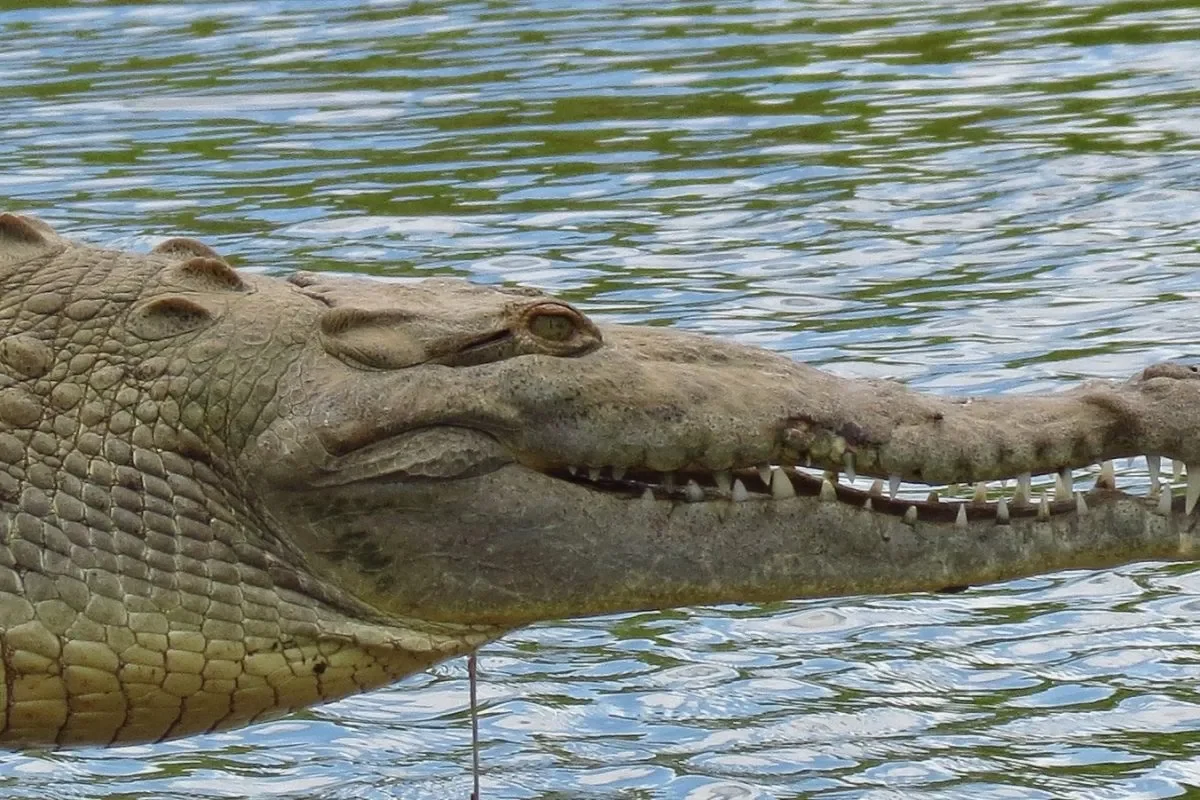
Panama has officially launched a comprehensive Panama crocodile control framework to address the growing number of encounters between these reptiles and people in urban, coastal, and river communities across the country. The Ministry of Environment, known locally as MiAmbiente, signed Resolution No. DM-0445-2026 on August 17, and its publication in the Official Gazette on Friday marked the first time the nation has established a formal procedure for managing potentially dangerous crocodile situations. The move responds to a steady rise in reported sightings and negative interactions, particularly along the Panama Bay coastline and in several major river basins.
Conservation Success Creates New Management Challenges
The American crocodile, classified as vulnerable by the International Union for Conservation of Nature, has experienced a notable population recovery in Panama after decades of protective measures. That rebound, while a conservation victory, has brought the species into more frequent contact with human settlements. MiAmbiente officials attribute the uptick in interactions partly to this recovery, a pattern also documented in Colombia, Costa Rica, Honduras, and Mexico.
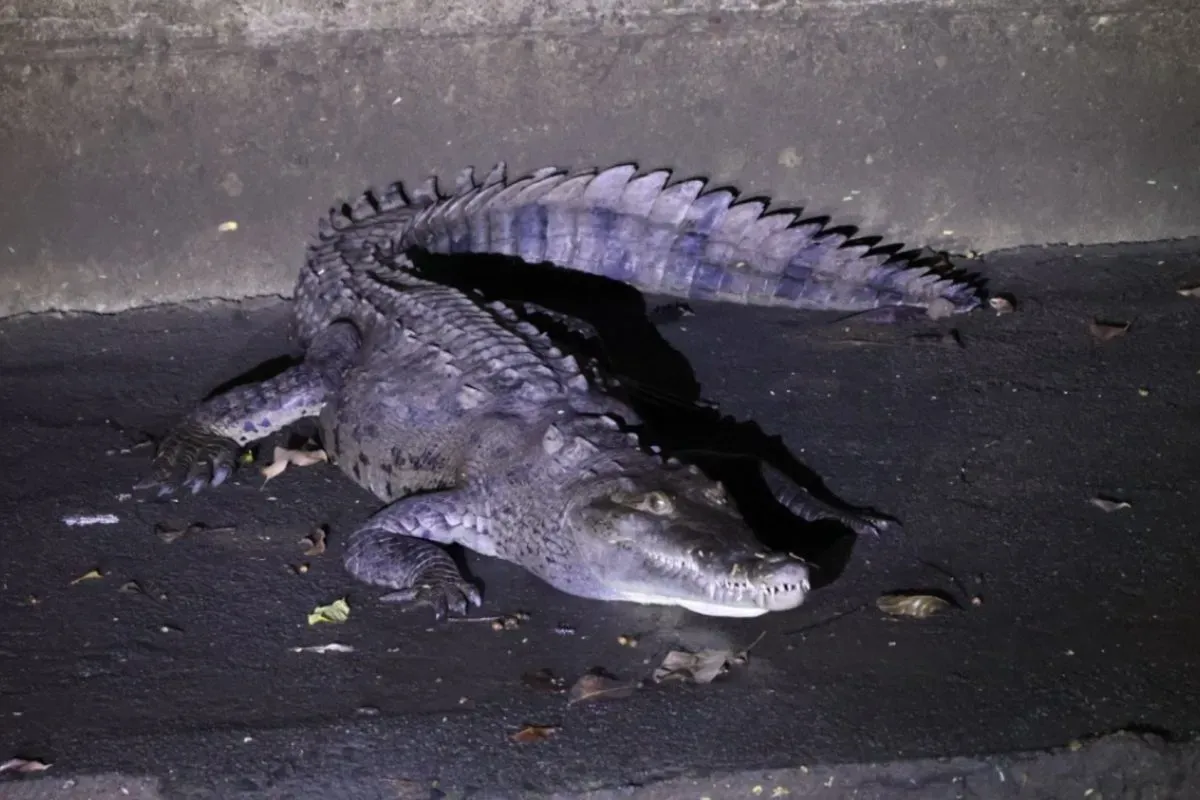
The incidents driving this new policy concentrate heavily in urban and coastal sectors of Panama Bay, including Puerto de Coquira, Clayton, Albrook, and Chame. Additional reports have emerged from Panama Oeste, Coclé, and Veraguas provinces, along with river basins such as the Santa María, La Villa, Tuira, and Balsas in the Darién region. Panama lacks a national monitoring system for these species, so much of the available data comes from media reports and social media posts, which often capture only the most dramatic encounters.
How the Five-Tier Panama Crocodile Control System Works
The new protocol establishes a graduated response scale with five distinct intervention levels, allowing authorities to match their actions to the severity of each situation. Level 1 focuses on prevention and community education, while Level 2 involves technical monitoring. Level 3 covers deterrence and exclusion measures, and Level 4 authorizes capture and relocation of problem animals. Level 5, lethal control, occupies the top tier as a measure of absolute last resort.
To determine the appropriate response, officials will use a Risk Evaluation Form that assigns a score based on multiple factors. The assessment considers the animal’s size, its degree of habituation to humans, the location where it was found, the frequency of sightings, and any history of attacks on pets. Based on the total score, each case gets classified as low, medium, high, or very high risk, which then dictates which intervention level applies.
“The protocol establishes a technical and coordinated response mechanism to prevent and address situations in which the presence of crocodiles may represent a risk to the population” [Translated from Spanish]
That language from the resolution underscores the government’s intent to move beyond ad hoc responses toward a structured, defensible framework for every reported encounter.
When Lethal Control Becomes Permissible
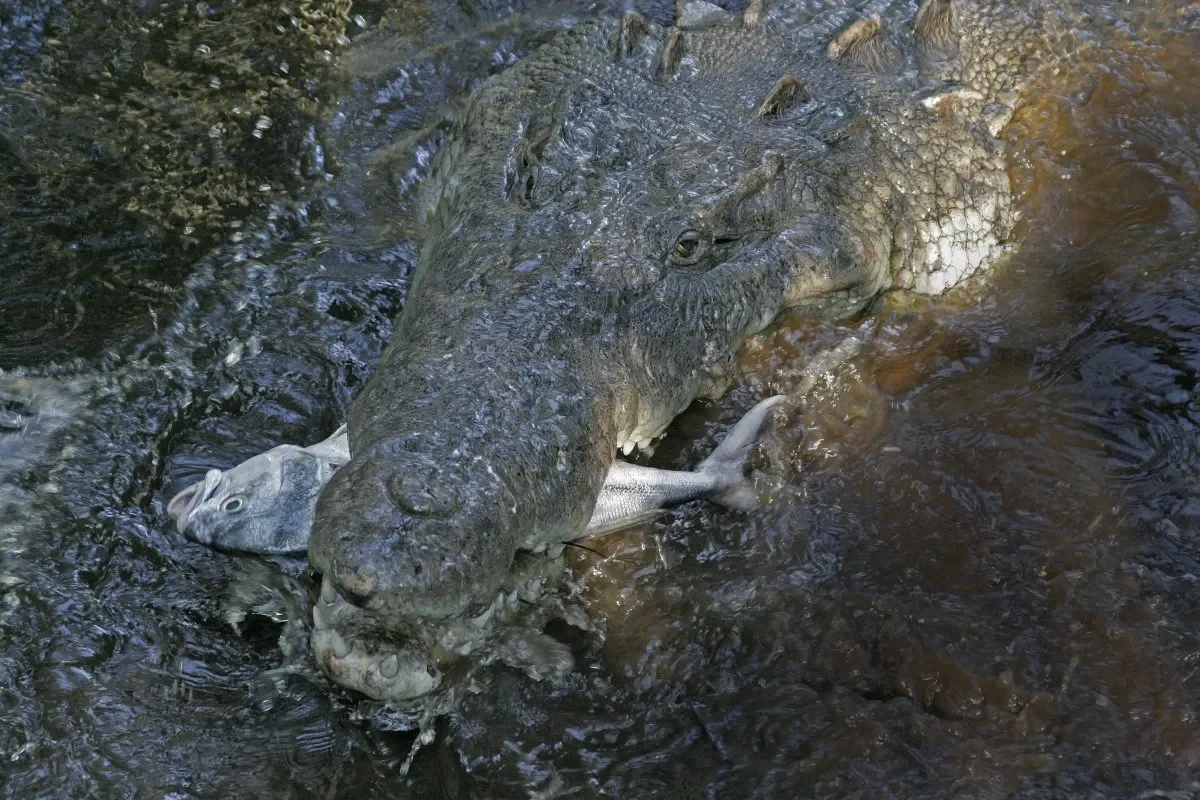
The protocol sets a deliberately high bar for lethal action. Authorities may only apply Level 5 measures when there exists what the resolution describes as a “real, current and imminent danger” to human life, and only after confirming that no viable technical alternative remains. Any decision to eliminate a crocodile must include documented justification and the approval of a technical committee. Even in situations requiring immediate self-defense to prevent an attack, the person involved must report the incident to MiAmbiente or the Environmental Police afterward.
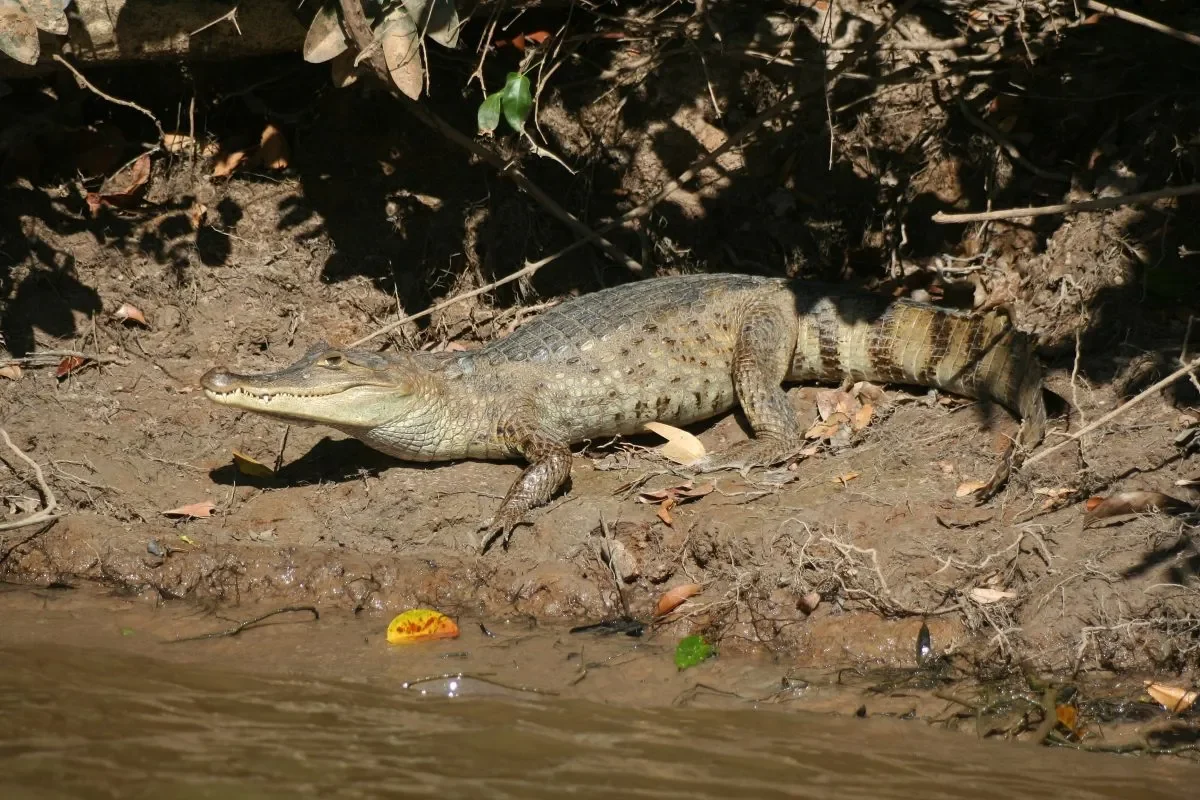
A critical distinction in the new rules protects the smaller spectacled caiman, or Caiman crocodilus, known locally as babillo. Lethal control cannot be applied to this species under any circumstances, as it poses less risk to humans than the larger American crocodile, Crocodylus acutus. Both species appear on Panama’s national list of threatened fauna, with the American crocodile listed under Appendix I of CITES and the caiman under Appendix II.
Community Guardians and Bilingual Signage
Beyond reactive measures, the resolution invests in prevention through local engagement. MiAmbiente will train community guardians in areas identified as high risk, equipping residents with the knowledge to coexist safely with crocodiles and report sightings properly. The Biodiversity Department will maintain an official Registry of Sightings, creating a centralized database that could eventually inform more targeted management decisions.
Tourist areas and other high-risk sites will receive bilingual signage alerting residents and visitors to the presence of crocodiles. The signs aim to provide clear guidance on precautions people should take near bodies of water where these animals may be present. Lethal control actions will also face external audits every two years to verify compliance with the protocol’s criteria, adding a layer of accountability to the most extreme measures.
With the resolution now in force, Panama has established its first formal mechanism for deciding how authorities should respond to encounters between crocodiles and people. The framework balances public safety concerns with the nation’s conservation obligations, acknowledging both the ecological value of these ancient reptiles and the legitimate fears of communities living alongside them. The challenge ahead lies in implementation, as officials work to turn the protocol’s careful distinctions into practical, effective responses across Panama’s diverse landscapes.