


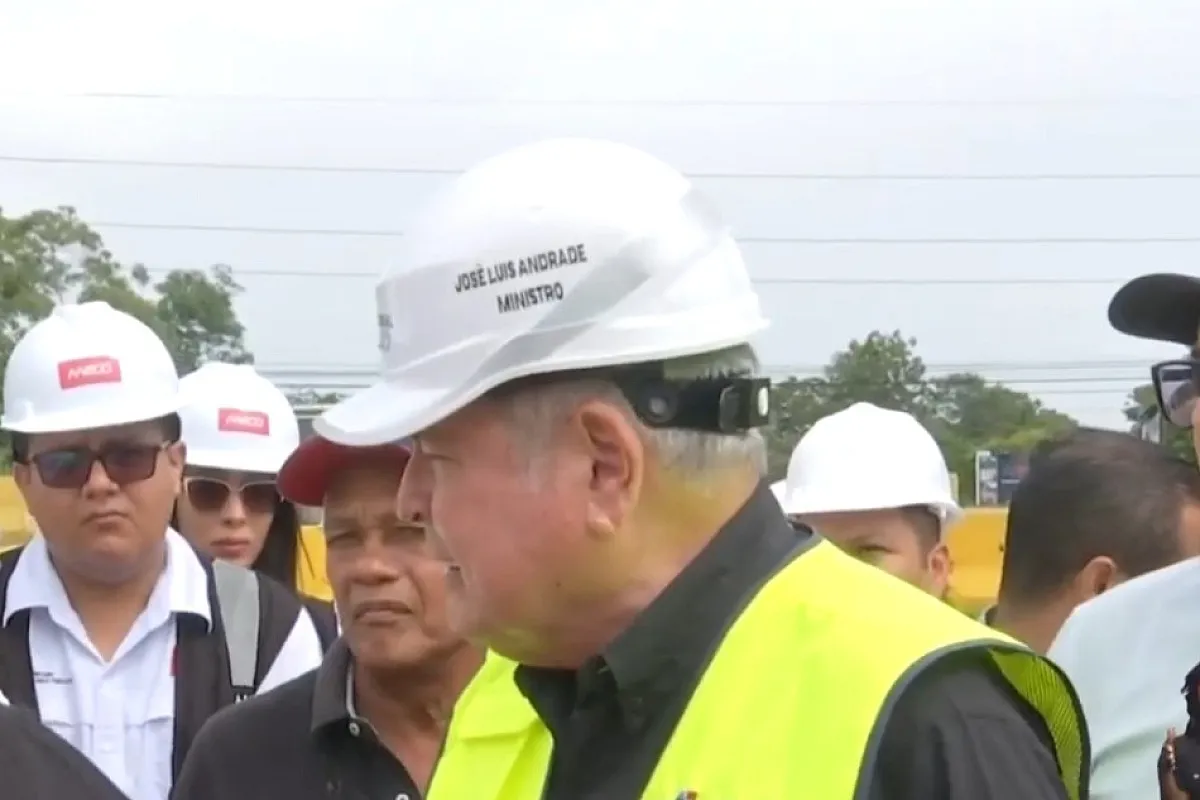
Workers are moving day and night along the Panama beach corridor as the Ministry of Public Works confirmed the expansion project has hit 5 percent physical progress. Public Works Minister José Luis Andrade inspected the first nine kilometers between Hacienda Los Calderones and Villa Carmen, observing crews in both daytime and nighttime shifts. The $228.5 million initiative remains on schedule for completion in September 2028, according to ministry officials.
The early figure may appear modest, but ministry engineers said it matches the project timeline because the initial phase focuses heavily on drainage work and foundation preparation. That kind of underground work often happens before visible road construction appears, and crews are already spread across multiple fronts along the highway.
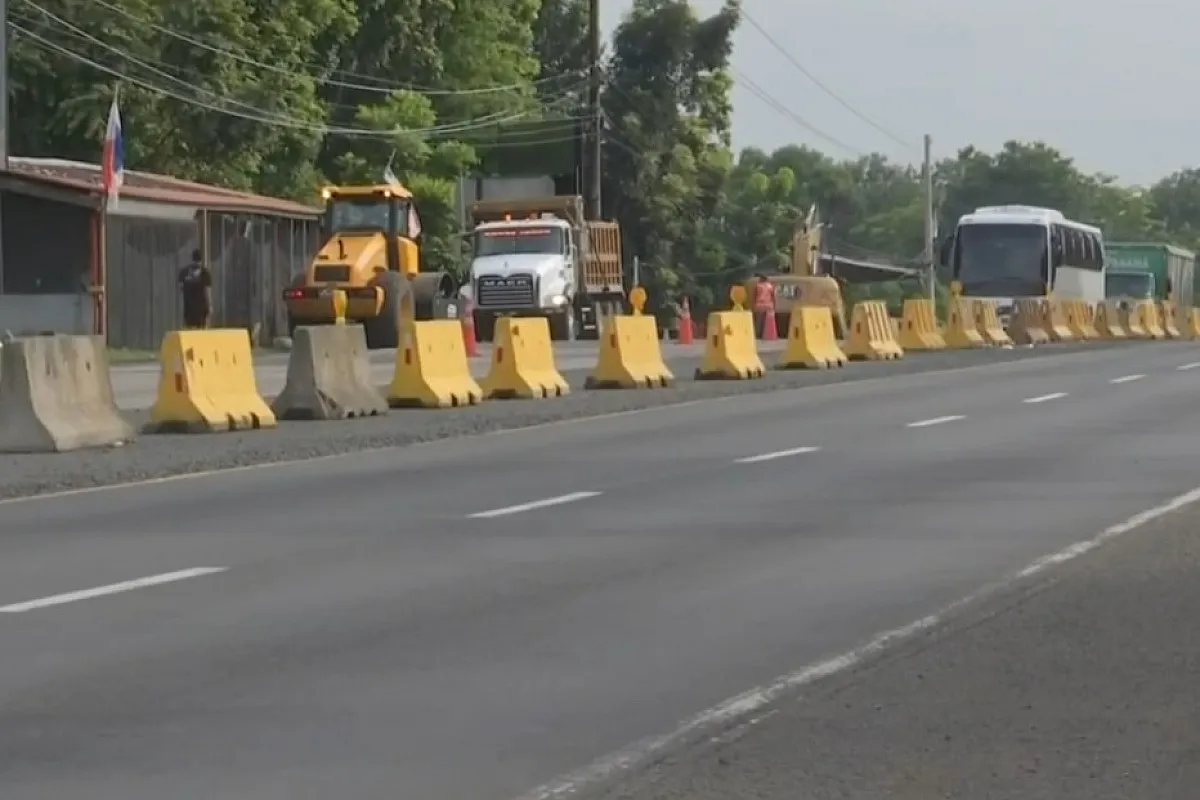
Panama beach corridor widening builds three lanes each way
The contract, awarded to Constructora MECO, S.A., covers the Pan-American Highway segment from El Espino to Sajalices plus the Campana variant. Once finished, the route will feature three lanes per direction, a major increase in capacity for one of the country’s busiest road links. Traffic between La Chorrera, Capira, and the Campana entrance frequently slows to a crawl on weekends as drivers head west to beaches and inland provinces.
The design goes beyond simple lane additions. Planners included marginal roads in commercial areas where local businesses need access without interrupting highway flow. A full reconfiguration of pedestrian crossings is also part of the package, aimed at reducing risk for people who live near the road or cross it daily. These changes tie into the government’s wider push to modernize national infrastructure and prepare for future traffic growth.
Campana Viaduct Creates a New Mountain Alternative
Perhaps the most demanding piece is the Campana variant, a 3.8 kilometer viaduct with three lanes per direction. The structure will give motorists a safer and more efficient alternative to the current Campana hill, which slows heavy vehicles and creates long backups. Project director Lilian Gutiérrez emphasized the scale of the benefit, particularly for weekend and holiday travelers.
“The infrastructure will benefit more than two million people, especially drivers who travel to the interior of the country during weekends and holidays” [Translated from Spanish]
This viaduct also complements the public-private partnership project for the Pan-American Highway West. Together, the Campana variant and the broader highway improvements are designed to smooth travel from the capital toward Santiago and beyond. By offering an alternate route around the steepest section, the project tackles one of the corridor’s most persistent chokepoints.
Drainage Work and Pavement Removal Underway
Active construction fronts are currently spread across several tasks. Crews are upgrading drainage systems, replacing unsuitable material, and placing the base layer in the old central ditch and side areas. Workers are also profiling the road surface to strip the existing asphalt from the Pan-American Highway in preparation for new paving.
These simultaneous operations require careful coordination, since traffic continues to use the corridor during construction. The ministry reported that nighttime work helps limit daytime disruptions, but drivers should still expect periodic lane changes and slower speeds near active zones. The full scope includes drainage, rehabilitation, pedestrian crossings, marginal roads, and the viaduct, all running at the same time.
Jobs, Local Growth, and the Race to 2028
Beyond mobility, the project is generating roughly 600 direct and indirect jobs during the construction phase. That employment boost provides steady income for workers and suppliers in communities along the route, from La Chorrera to Capira. The ministry views this as an important secondary benefit for the region’s economy.
Andrade acknowledged the pressure of the timeline while inspecting the early progress. Maintaining the current pace will be essential to deliver the full scope by September 2028, he said. With multiple work fronts open and the complex viaduct still ahead, officials are watching the schedule closely. For the more than two million people who rely on the corridor, the payoff will be faster trips, fewer bottlenecks, and a safer highway through Campana’s rugged terrain.