



A legislative initiative that would permit police record cancellation for citizens who have completed prison sentences of up to three years has advanced past its initial committee review in Panama’s National Assembly, even as sharp disagreements emerge over whether the measure truly supports rehabilitation or inadvertently shields financial crimes. The proposal, championed by Deputy Isaac Mosquera, received endorsement from the Government Commission but faces mounting scrutiny from lawmakers and civil society groups who argue the text contains troubling inconsistencies.
How the Police Record Cancellation Mechanism Works
The bill establishes an administrative pathway for clearing police records in cases where convictions do not exceed three years behind bars. Crucially, the legislation preserves judicial warnings and historical archives maintained by the courts and the National Police for investigative purposes. That distinction means the cancellation would not erase the underlying legal record but would prevent the police record from appearing in certain contexts, particularly employment background checks.
Deputy Mosquera has framed the initiative around human dignity and second chances. He contends that individuals who made mistakes should not face permanent barriers to steady work and personal development. The underlying premise rests on the idea that long after a sentence is served, a lingering police record continues to punish people by shutting them out of the formal job market.
This marks the second time Mosquera has introduced such a measure, signaling his sustained interest in what supporters describe as a form of penal forgetfulness designed to foster reintegration. After receiving the commission’s nod, the bill now enters the full legislative process and must clear three debates before any potential approval.
Civil Society Flags Corruption and Money Laundering Concerns
Leah de Boersner, speaking on behalf of civil society organizations, identified what she called contradictions in how the bill outlines excluded offenses. Her specific concern centers on corruption crimes. The document states that corruption offenses are excluded from the benefit, yet later provisions appear to reference them again in a way that creates legal ambiguity.
“It tells you that the crime of corruption is excluded, but later it mentions it. For example, in article seven, a table says certain crimes are excluded, homicides, femicides, domestic violence, but corruption is not there” [Translated from Spanish]

Deputy Alexandra Brenes provided additional detail about the range of conduct covered by the proposal. She pointed to crimes against public administration, including certain money laundering cases where the amount involved does not exceed $100,000, as well as offenses tied to fraud in public contracting. The inclusion of these categories has raised red flags for observers who believe the threshold for financial crimes should be more carefully examined before the bill advances further.
The pushback from civil society has crystallized around a core argument. Instead of making targeted corrections, opponents suggest the entire proposal should be redrafted from scratch to resolve the inconsistencies they have documented.
The Resocialization Debate Divides Lawmakers
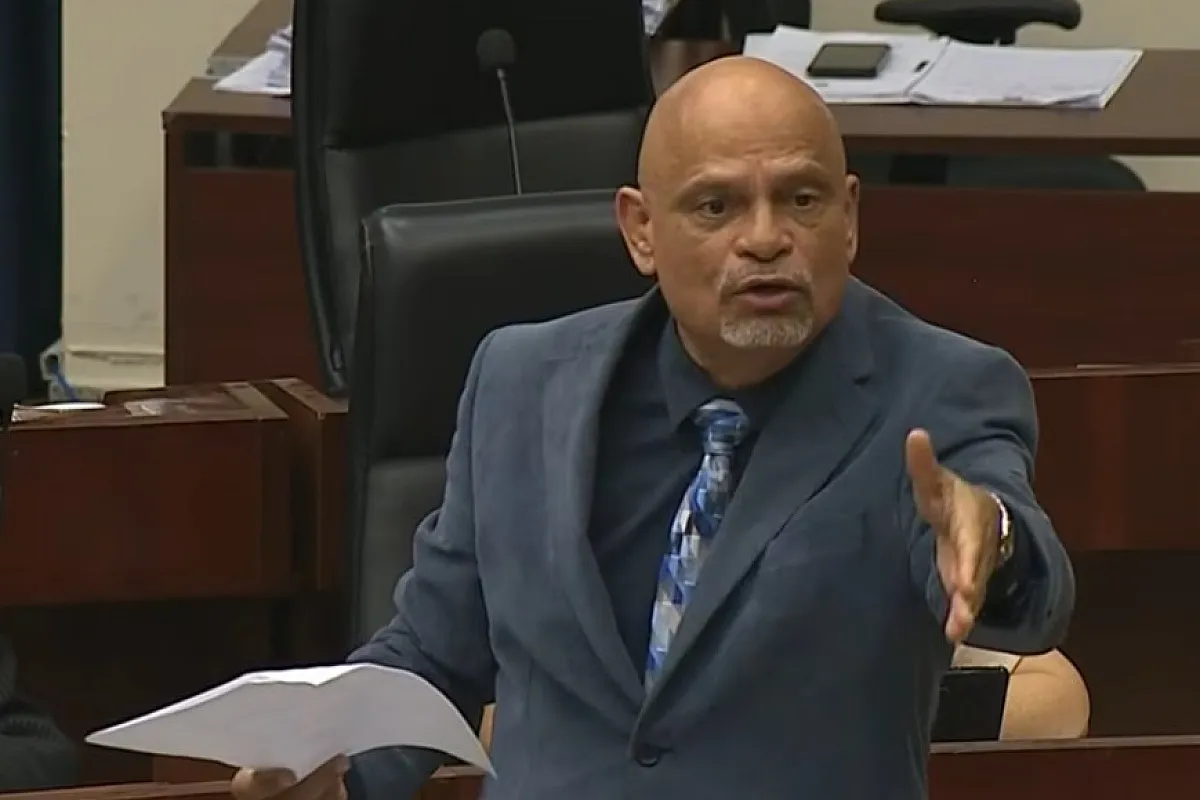
Beyond the technical drafting problems, a deeper philosophical split has emerged among legislators about what genuine resocialization actually requires. Brenes, who voted against the bill during the commission stage, rejected the notion that clearing police records alone can achieve meaningful reintegration for former inmates.
“Even though it is a project that is said to be for resocialization, resocialization goes much further than forgetting penalties or forgetting what a judge can impose on you. It mainly goes to the comprehensive way in which there is work, in which there really are opportunities” [Translated from Spanish]
Her argument highlights a broader policy tension that has shaped criminal justice debates across Latin America. Supporters of record-clearing mechanisms often emphasize that employment access represents the first critical step toward stability, while critics counter that structural investments in job training, mental health services, and community support matter far more than administrative expungement.
The dispute also touches on public trust in Panama’s institutions. Given recent corruption scandals that have shaken the country, the prospect of any measure that might be perceived as softening consequences for financial wrongdoing carries heightened political sensitivity. Lawmakers on both sides of the issue acknowledge that the optics of the bill matter as much as its legal mechanics.
Legislative Path Forward and Broader Implications
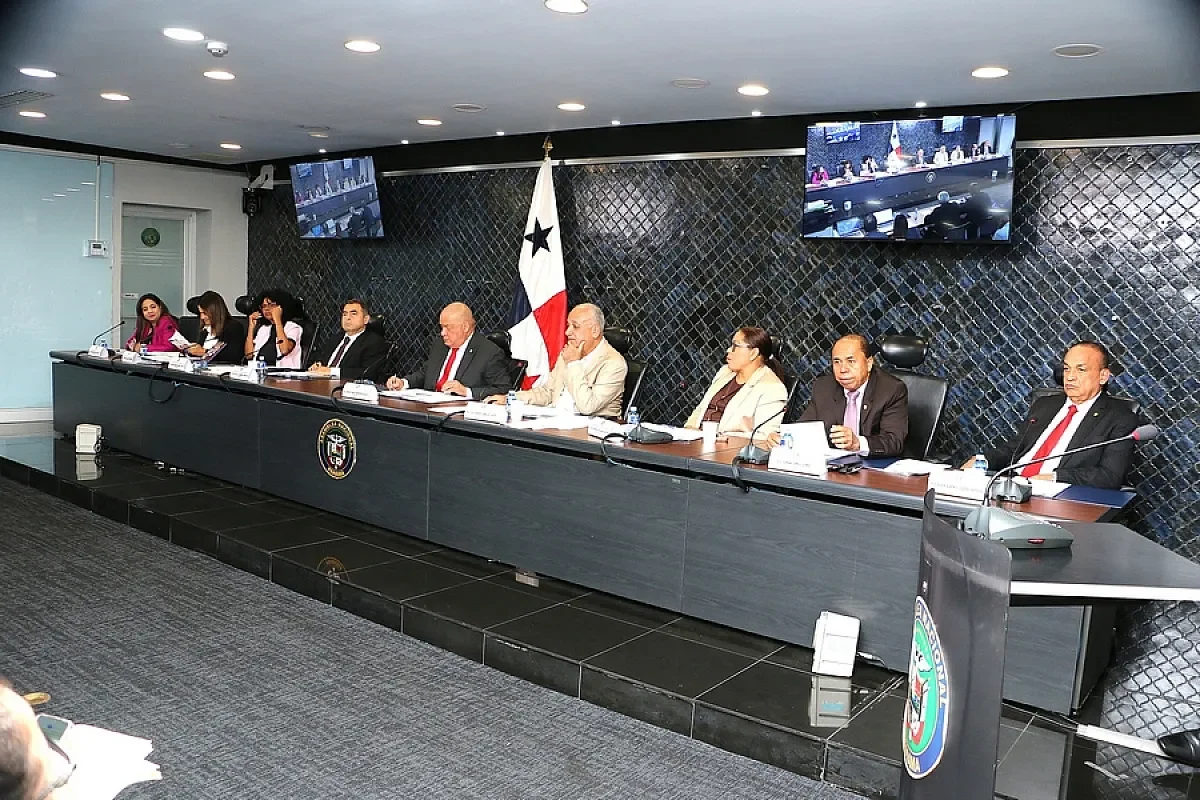
The Government Commission’s decision to endorse the project launches a legislative journey that could take months. Three separate debates await, and the criticism already leveled against the text suggests the possibility of substantial amendments. Some observers within the National Assembly have indicated that more than minor adjustments may be necessary given the scope of the concerns raised during the initial review.
The conversation around police record cancellation in Panama mirrors regional trends. Several Latin American countries have grappled with similar proposals in recent years, weighing the benefits of second-chance legislation against the need to maintain robust records for public safety and anti-corruption enforcement. The Panamanian debate stands out for the specificity of the financial crime thresholds included in the text and the intensity of the civil society response.
For now, the bill remains in its early stages, and its future remains uncertain. What is clear is that the measure has opened a necessary conversation about punishment, rehabilitation, and the long shadow that a criminal record casts over a person’s life in Panama. Whether lawmakers can reconcile the competing concerns about dignity, opportunity, and accountability will determine whether this second attempt at reform fares any better than the first.