


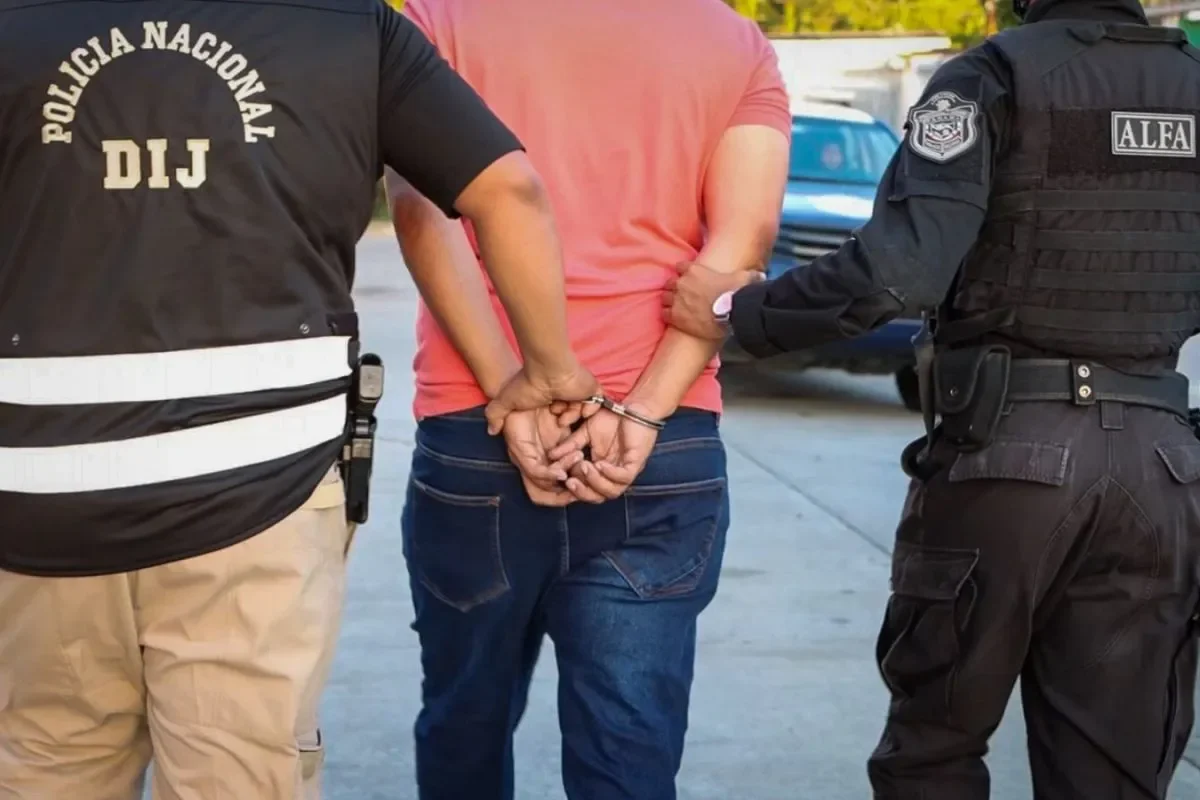
Three suspects now sit in custody over their alleged roles in the murder of a Swiss businessman near the Corredor Sur expressway in eastern Panama City. The coordinated arrests form part of Operation Destello, a multi-agency effort that swept through Pacora, Las Cumbres and San Miguelito and resulted in five total apprehensions, the Attorney General’s Office confirmed.
Prosecutors from the Homicide and Femicide Section of the Metropolitan Prosecutor’s Office led the operation with support from the Directorate of Judicial Investigation and the Police Intelligence Directorate. The raids focused on neighborhoods that have long grappled with violent crime and organized criminal activity.
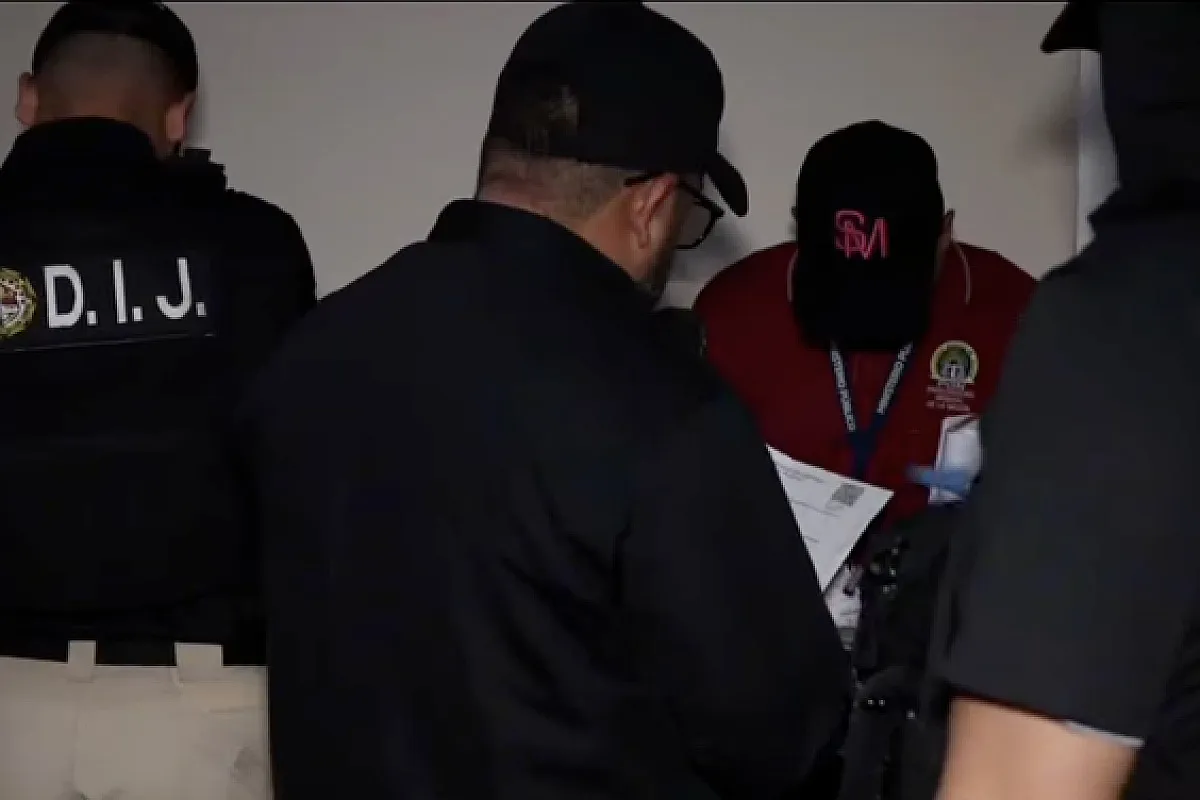
Investigation Into Murder of a Swiss Businessman Leads to Three Arrests
The businessman at the center of the investigation held both Swiss and Spanish nationality. He was killed on April 15, 2026 in Llano Bonito, a sector of the Juan Díaz township located near the southern highway corridor. Panamanian prosecutors classified the case as aggravated intentional homicide, a designation reserved for killings involving premeditation, financial gain or particular brutality under the country’s criminal code.
The three people charged in this case include two men and one woman, all detained during operations in Pacora and San Miguelito. Beyond the homicide charge, authorities also leveled accusations of illicit association against the suspects. That additional charge signals investigators view the killing not as an isolated act but as part of a coordinated criminal enterprise, a legal approach prosecutors frequently invoke when dismantling organized groups.
Second Homicide and Drug Seizure Expand Operation Destello
The operation did not stop with the murder of the Swiss businessman. In Las Cumbres, police arrested a man believed connected to a homicide that occurred on July 12, 2026 in Tierra Prometida, a neighborhood within the Ernesto Córdoba Campos township in northern Panama City. Few details about that killing have emerged, but its inclusion highlights how homicide units often bundle open cases to maximize intelligence gathered during coordinated raids.
Meanwhile, in Pacora, officers uncovered what prosecutors described as suspected illegal substances and took another man into custody. The discovery extended the scope of an operation already spanning two murder investigations into drug enforcement territory. It also reflects a recurring reality in Panama, where homicide cases frequently intersect with the country’s role as a transit point for narcotics moving north from South America.
Judicial Review and Prosecution Strategy
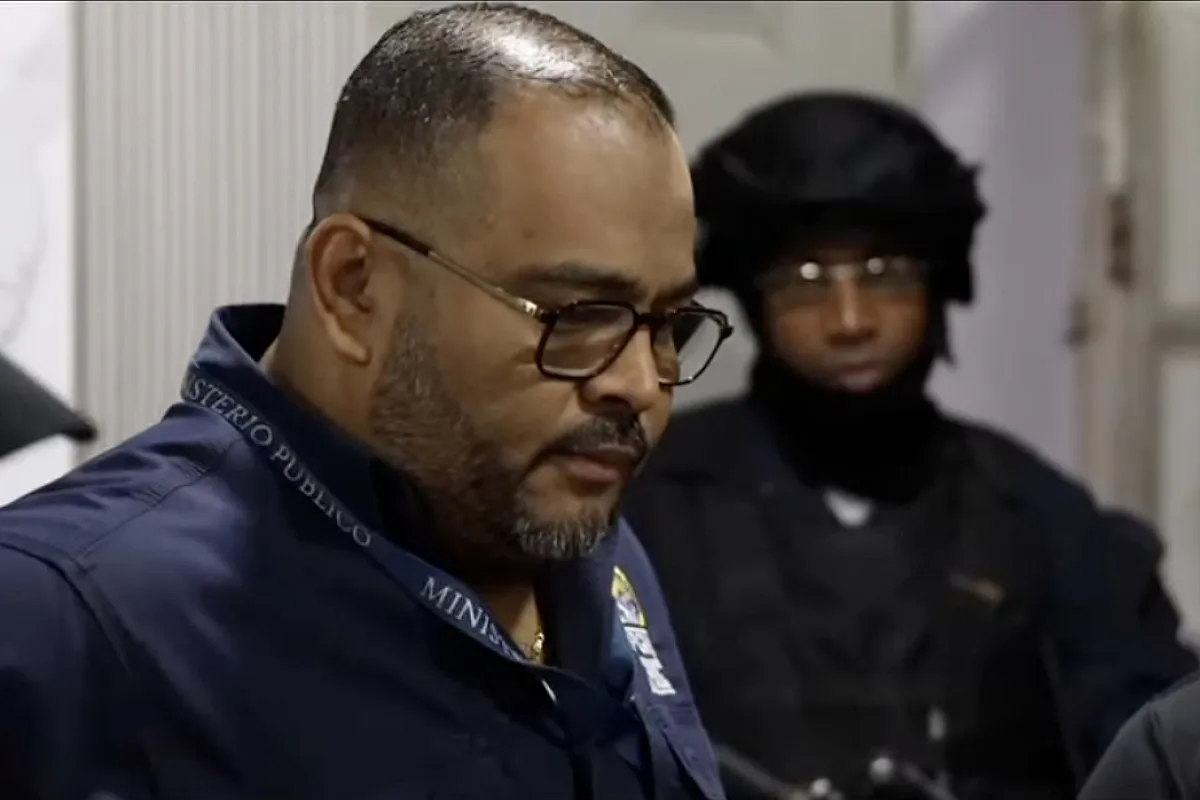
All five detainees now face a hearing before a Tribunal de Garantías, the judicial body responsible for safeguarding constitutional protections during the initial phase of Panama’s accusatory criminal system. At that hearing, prosecutors will present the evidence gathered during the raids and request the legal measures they consider appropriate, which could include pretrial detention while the investigation continues.
The Attorney General’s Office issued a brief statement reaffirming its commitment to pursuing criminal action in accordance with the Constitution, national laws and the protection of citizens’ rights. That framing aligns with Panama’s transition to an adversarial justice system, which requires prosecutors to argue cases before judges who rule on detention requests and preliminary evidence rather than conducting closed-door inquisitorial proceedings.
Pattern of Violence Across Panama’s Urban Districts
The neighborhoods targeted in Operation Destello represent some of Panama City’s most persistent security challenges. San Miguelito, where two of the businessman’s alleged killers were captured, has historically recorded some of the highest homicide rates in the metropolitan area. Juan Díaz, the site of the businessman’s killing, sits close to major transit routes like the Corredor Sur that offer quick escape paths for perpetrators.
Illicit association charges have become a staple of Panamanian prosecutions against gang networks, allowing the state to charge multiple people for their participation in a criminal structure even when individual roles vary. By combining homicide, organized crime and drug-
arrests in a single operation, authorities signaled an integrated approach to tackling the interconnected drivers of violence in the capital region.
Ultimately, Operation Destello underscores how quickly homicide investigations can ripple outward, transforming a single case into a wider offensive against criminal networks operating across Panama City’s most vulnerable communities.