


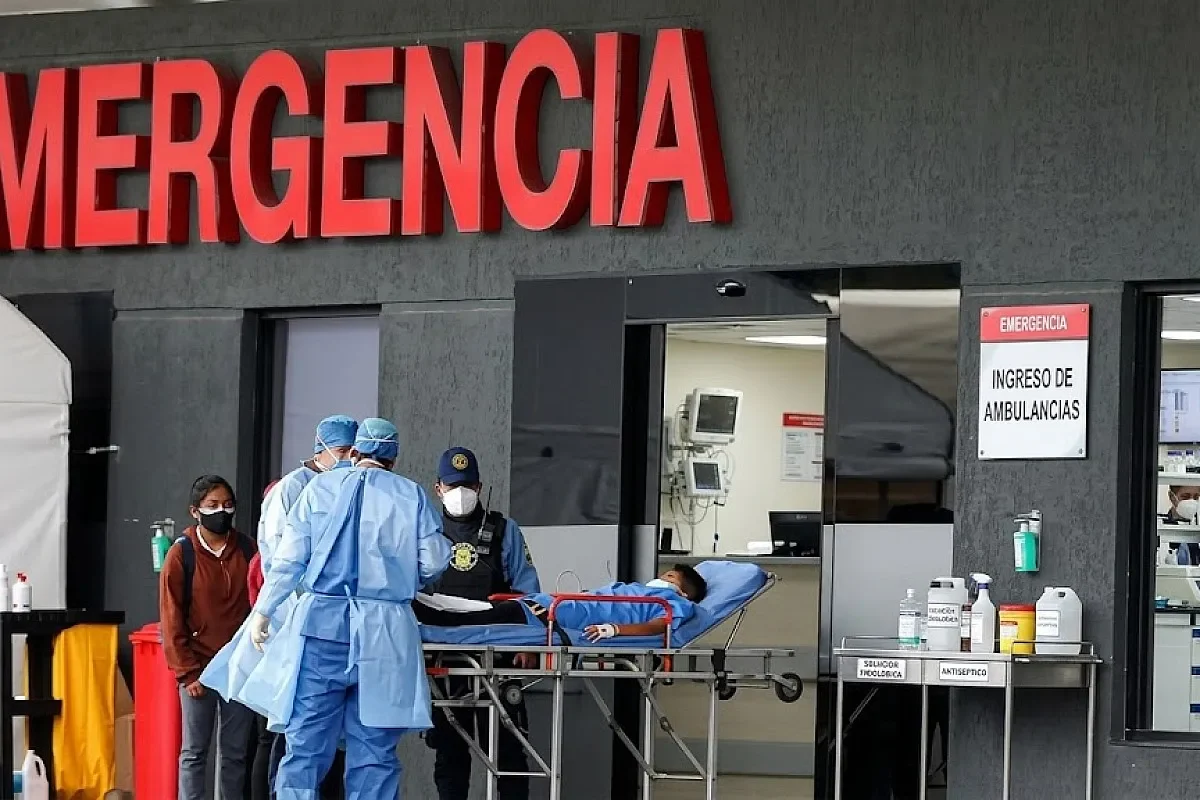
A sharp escalation in respiratory syncytial virus infections has put Panamanian health authorities on high alert, with Panama virus surveillance data showing incidence jumped from 5 cases per 100,000 people to 15.6 cases per 100,000 in about ten weeks. By epidemiological week 33, the country had confirmed 19 deaths tied to the virus, and infants under one year old accounted for more than half of those fatalities. Panama City’s specialized children’s hospital, Hospital del Niño, detected 369 cases between February and May alone.

Panama Virus Surveillance Detects a Steady Climb in Infections
Dr. Yadira de Moltó from the Ministry of Health’s Epidemiology Department laid out the numbers. Week 23 recorded 5 cases per 100,000 inhabitants, week 32 reached 12 cases, and week 33 climbed to 15.6. She described the pattern as consistent with the expected season for respiratory diseases.
‘A rising trend is observed compared with previous weeks’ [Translated from Spanish]
Officials estimate the incidence could begin to decline within the next two or three weeks, but the monitoring will remain active. The epidemiology team runs a bronchiolitis surveillance system that tracks RSV circulation along with other agents that can trigger the condition. De Moltó clarified that not every bronchiolitis patient needs a virus-specific test. Those tests get prioritized for hospitalized patients, cases with clinical suspicion, or deaths that require deeper investigation.
Geographic Spread of Fatalities Across Panama
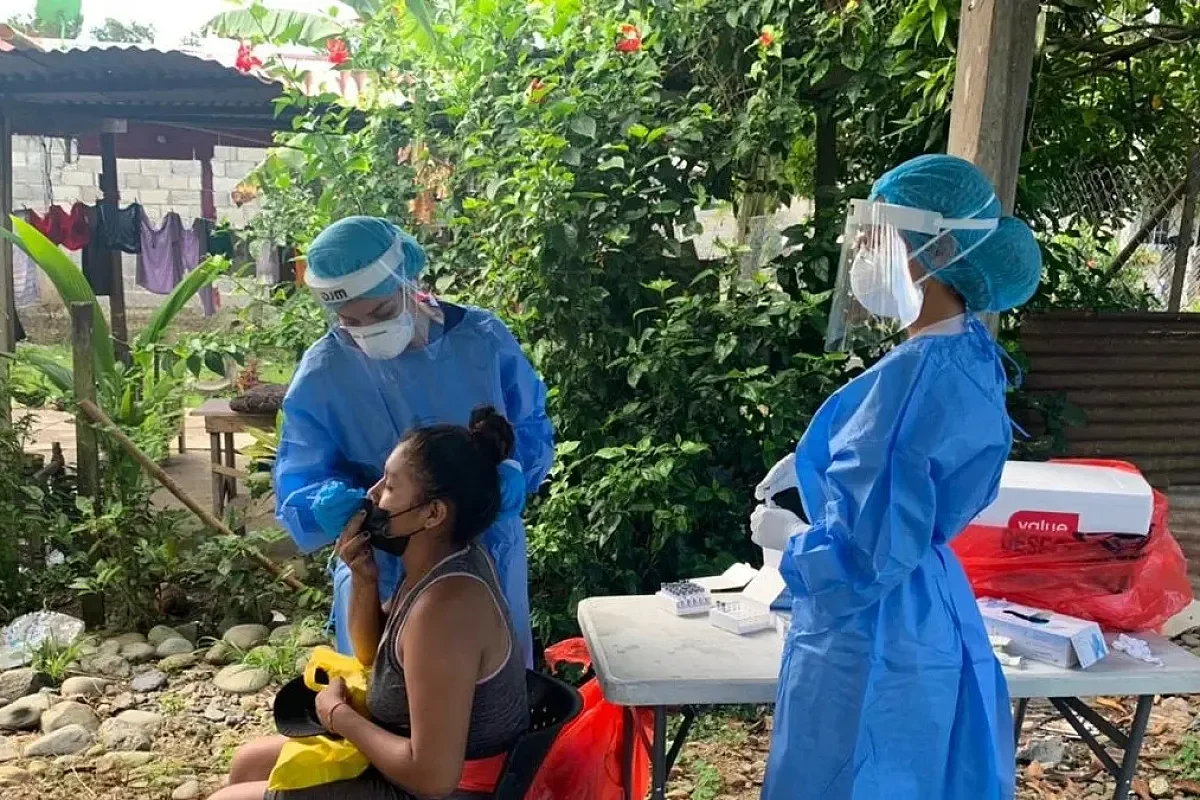
The Panama virus surveillance system has mapped deaths across several regions, with the Ngäbe-Buglé comarca recording six fatalities and Bocas del Toro four. Chiriquí reported three deaths, Panamá Oeste two, and Panamá Norte, Metropolitan, San Miguelito, and Coclé each registered one. During week 33 alone, a three-month-old baby from Bocas del Toro died from the infection.
Age data reveal a heavy toll on the youngest patients. Ten of the 19 deaths were children under one year old, five were one-year-olds, two were adults aged 65 or older, and two were children between 3 and 5 years. That concentration among babies has become the central concern for health authorities monitoring the current wave.
Monoclonal Antibody Distribution and Maternal Vaccine Uptake
Prevention efforts now include 13,700 doses of a monoclonal antibody against RSV that the Ministry of Health purchased and distributed across all 15 health regions. Hospital maternity wards will administer the treatment to newborns whose mothers did not receive the RSV vaccine during pregnancy. The goal is to give those babies protection during their first months of life.
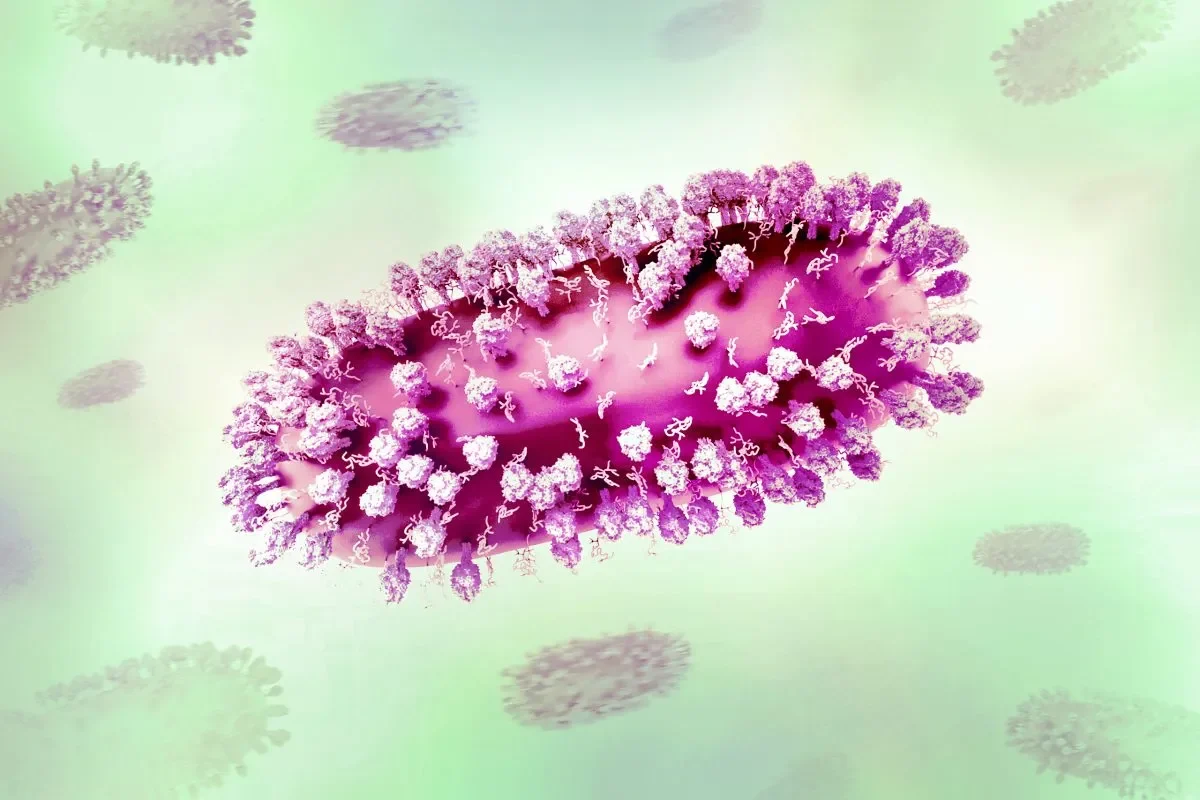
Pregnant women between 30 and 36 weeks of gestation can also get the RSV vaccine. That shot lets the mother generate antibodies and pass them to the baby before birth. Adults over 60 years old are eligible for the same vaccine, extending protection to another high-risk group. These measures complement the federal surveillance work and aim to reduce transmission before the next seasonal peak arrives.
Warning Signs Parents and Caregivers Should Recognize
Ministry officials are asking parents, mothers, and caregivers to seek medical attention immediately when a baby shows difficulty breathing, trouble feeding, fatigue, or rejection of food. They also highlighted nasal flaring and retraction of the skin between or below the ribs during breathing, both signals of increased respiratory effort.
Early identification of these symptoms matters because children under one year represent more than half of all RSV-deaths recorded through week 33. With Panama virus surveillance remaining reinforced, health teams in every region continue distributing preventive products and monitoring hospital capacity while families watch for the earliest signs of distress.
Health authorities remain cautious even as they project a possible decline within two or three weeks. The distribution of antibodies and vaccines marks a broader shift toward prevention, but officials insist that early medical evaluation for babies showing respiratory distress remains the most urgent public health message.