


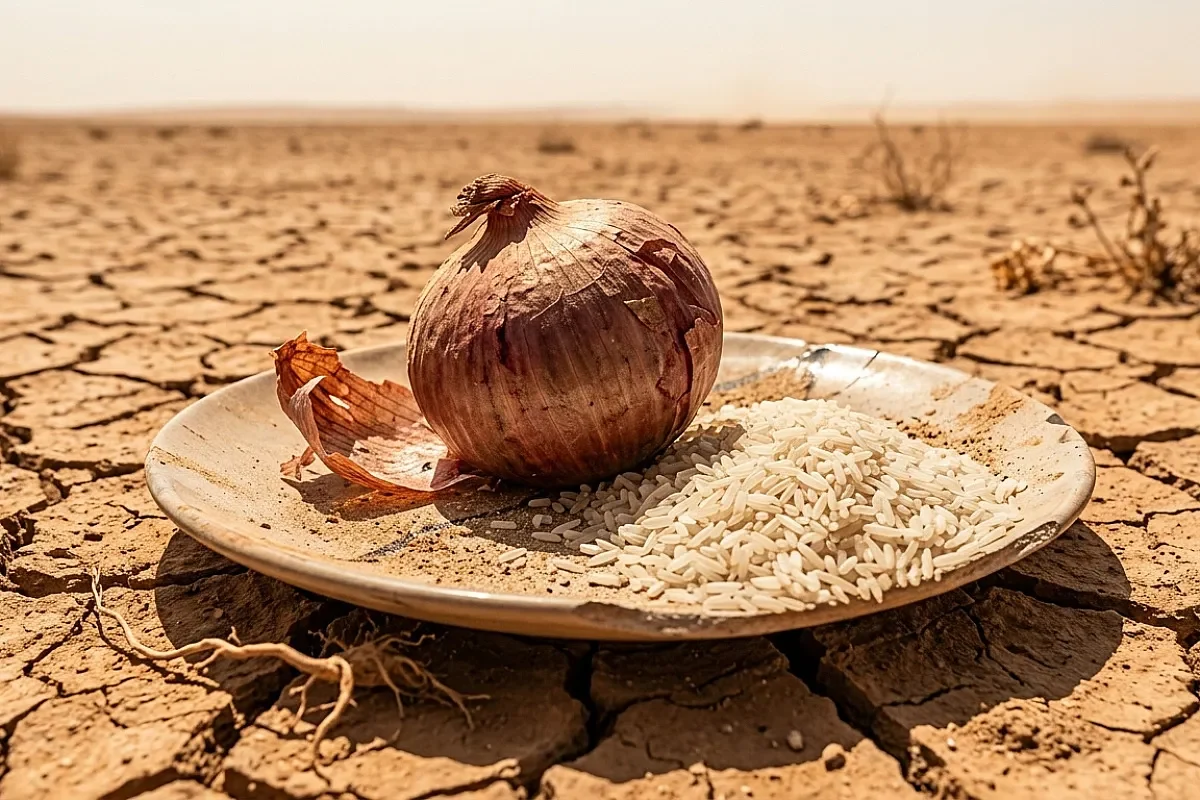
Panama’s farm belt is confronting a strange and uneven climate emergency in early 2026, with the El Niño impact creating simultaneous water shortages in some provinces and destructive excess rainfall in others. The Ministry of Agricultural Development (MIDA) now projects that national rice production could slide by as much as 20 percent during the affected period, while onion yields face an estimated 15 percent reduction. The projections emerged during a National Assembly session where Minister Roberto José Linares Tribaldos detailed how different crops and regions are absorbing the climate shock in sharply divergent ways.
El Niño Impact Creates Uneven Pressure on Key Crops
Rainfed rice, known locally as arroz de secano, ranks among the most exposed agricultural products because its survival depends directly on rainfall patterns. MIDA estimates place the production decline for this crop between 15 and 20 percent, a significant hit for a staple that anchors rural livelihoods across central Panama. Without adequate water during critical growth stages, the plants simply cannot develop properly, and the ministry’s technical teams have documented the stress across multiple growing areas.
Onions confront a similarly difficult picture, with projections pointing to a roughly 15 percent drop in output. The vegetable requires consistent moisture throughout its growing cycle, and the reduced water availability has forced some producers to scale back planted acreage or accept lower yields from existing fields. But the climate story is far from uniform across the agricultural map. Plantain growers are dealing with the opposite problem, with excess rainfall causing damage in several producing zones. This split between drought and deluge underscores the erratic nature of the current El Niño impact on Panama’s food systems.
“The effects will not be equal for all crops and will depend on the climate conditions that each zone of the country faces” [Translated from Spanish]
Harvest Decline Projections and Supply Stability for Rice and Onion
Despite the worrying production forecasts, Panamanian consumers should not face immediate shortages of rice. Minister Linares Tribaldos told lawmakers that MIDA conducts a monthly inventory of rice availability nationwide, and based on the current situation, there is no need to import the grain. The country holds sufficient stocks to cover domestic demand in the short term, even as the harvest numbers trend downward.
“The country has sufficient inventories to guarantee supply to the population” [Translated from Spanish]
The minister refrained from establishing a single global figure for agricultural losses over the next 12 months, explaining that any comprehensive estimate would depend on how rainfall actually evolves and how each crop responds. The ministry views blanket projections as misleading because conditions can range from severe drought to excess precipitation depending on the specific zone. This nuanced approach reflects the reality that a farmer in Los Santos may face completely different challenges than one in Bocas del Toro.
Government monitoring extends beyond simple inventory counts. Officials maintain communication with producer associations, track cultivated areas through regional offices, and provide technical follow-up for the main agricultural products. The dual scenario of declining production alongside guaranteed short-term supply represents a manageable but delicate balance that could shift if the El Niño impact intensifies through the remainder of the growing season.
Regional Hotspots and Monitoring Priorities
The areas requiring the highest level of attention, according to the minister, include Los Santos, Herrera, Coclé, and portions of Veraguas and Bocas del Toro. These provinces form the backbone of Panama’s grains and vegetable production, making their vulnerability a matter of national food security. MIDA’s regional directorates have intensified surveillance across these zones while maintaining coverage of all other productive areas as well.
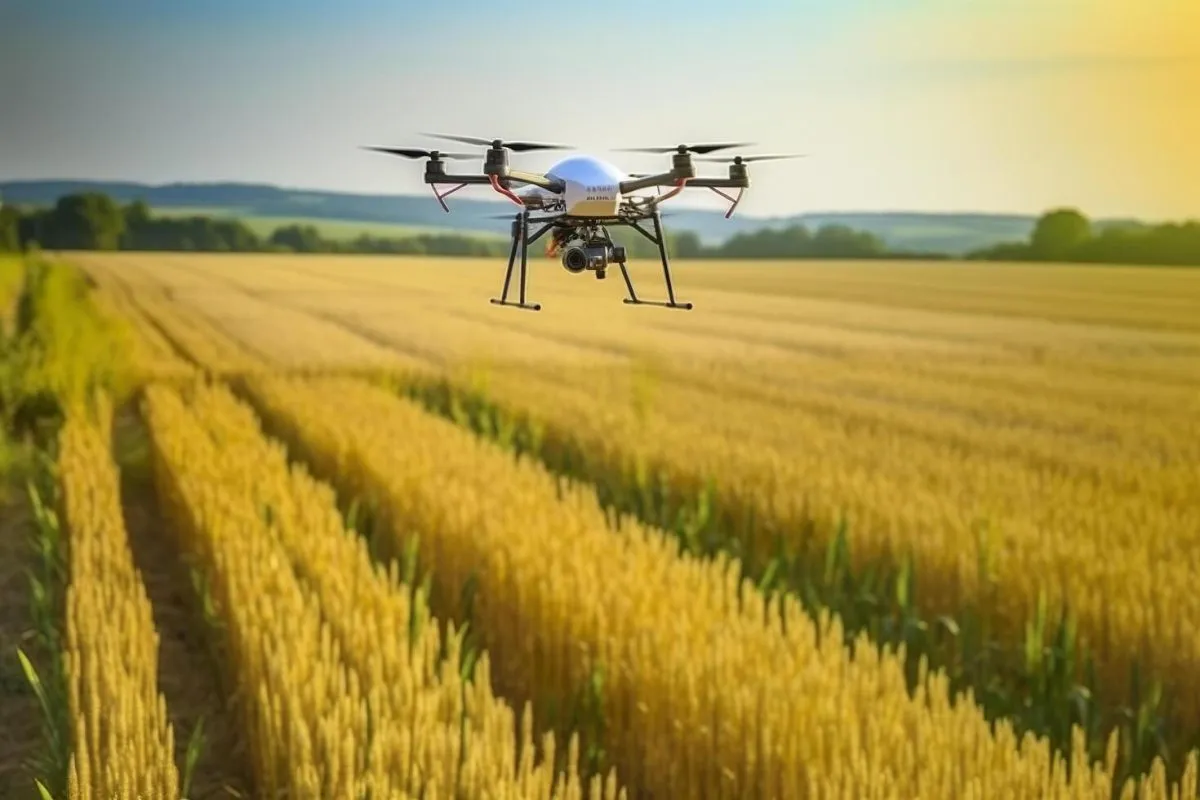
The ministry has deployed its Agroclimatic Technical Tables as a key tool for translating climate forecasts into practical farming decisions. These participatory platforms began operating in 2025 and now reach more than 3,000 producers across the country. Through these tables, farmers receive timely climate information, agronomic recommendations, and early warnings that help them adjust planting dates, select more resilient varieties, or modify irrigation schedules before conditions worsen.
For drought-stricken areas, the strategy focuses on prioritizing access to water resources, securing animal forages, and providing nutritional supplementation for livestock. In zones experiencing excess rainfall, such as parts of Bocas del Toro, efforts concentrate on crop health management, productive recovery, and technical assistance to prevent disease outbreaks that thrive in humid conditions. This targeted approach acknowledges that a one-size-fits-all response would fail to address the contrasting realities on the ground.
Adaptive Measures for a Prolonged Climate Challenge
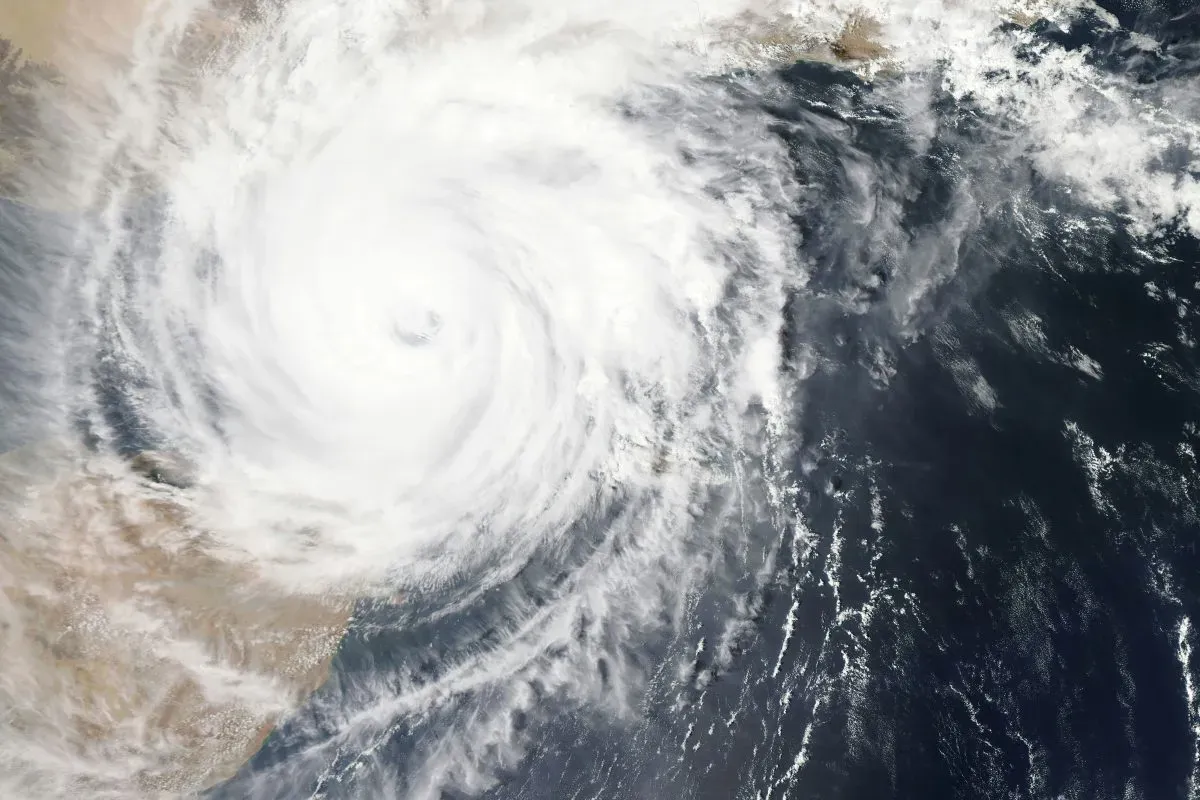
Panama’s agricultural vulnerability to El Niño events is not new, but the frequency and intensity of climate disruptions have pushed adaptation to the forefront of ministry planning. The current projections for rice and onion production reflect both the immediate water stress and the cumulative effects of shifting rainfall patterns that have altered traditional growing seasons. Farmers who once relied on predictable precipitation cycles now must navigate a more uncertain landscape where flexibility and information access become survival tools.
The government’s approach combines short-term emergency response with longer-term capacity building through the technical tables and regional monitoring networks. By connecting more than 3,000 producers directly to climate science and agronomic expertise, MIDA aims to reduce the gap between weather forecasting and on-farm decision making. The monthly rice inventories provide a buffer against panic buying or speculative price spikes, while the differentiated regional strategies ensure that assistance matches actual needs rather than assumed conditions.
Agricultural experts warn that the full extent of the El Niño impact may not be visible for several more months. The final harvest numbers will depend heavily on rainfall distribution during the critical flowering and grain-filling stages for rice, while onion producers watch soil moisture levels closely as they move toward harvest windows. The ministry’s ongoing rehabilitation work and technical outreach represent an attempt to minimize losses even as the weather remains unpredictable.
Ultimately, Panama’s agricultural sector finds itself navigating a complex climate reality where drought and flood coexist within the same national territory. The projected declines in rice and onion production signal genuine strain on rural economies, yet the government’s inventory management and producer support systems offer a stabilizing counterweight. The coming months will test whether these adaptive measures can protect both farmer livelihoods and consumer access to staple foods as the El Niño impact continues to unfold across Central America.