



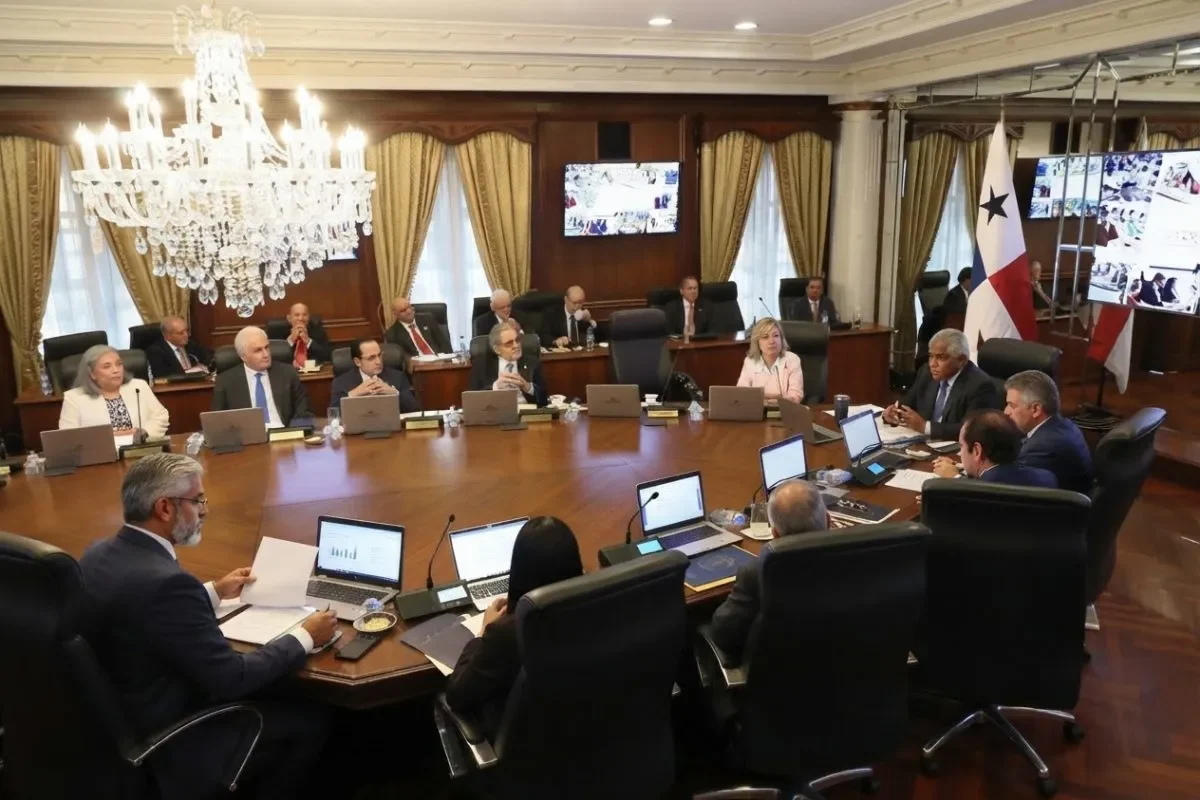
Panamanian households won’t have to worry about higher electricity costs this fall and winter. The national government has committed $122 million to a power tariff relief initiative that keeps scheduled rate adjustments from touching consumer bills between September and December 2026. The measure, formalized through Cabinet Resolution No. 110-26, represents a direct intervention by the executive branch to maintain billing stability during the year’s final quarter.
How the Power Tariff Relief Mechanism Works
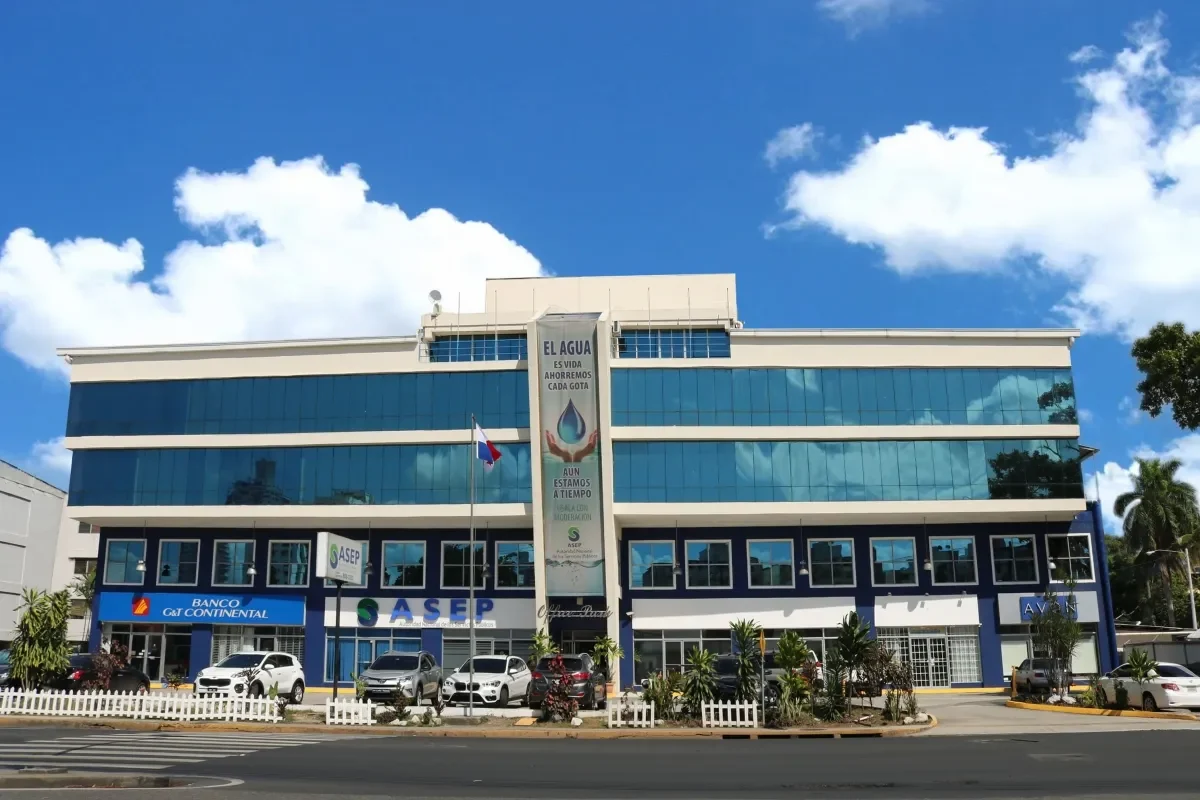
Zelmar Rodríguez Crespo, the general administrator of the National Public Services Authority, outlined the mechanics behind the decision. The regulatory framework requires periodic tariff updates to reflect actual costs of providing electric service. But instead of passing those adjustments to customers, the government opted to absorb them through the subsidy.
“Tariffs are updated according to regulations, the National Government establishes a subsidy, and customers will not see an increase in their bills from these adjustments” [Translated from Spanish]
The fiscal impact runs through December 31, 2026, with the billing cycle starting in September. Rodríguez Crespo explained that the arrangement allows the regulatory process to continue without placing additional financial burden on consumers during the final four months of the year. This approach effectively decouples the technical requirement for tariff reviews from the practical concern of household affordability.
Sanctions Against Distribution Companies Reach 100 Million
While the subsidy addresses future billing concerns, ASEP continues to pursue penalties against electric distribution companies for past service failures. Rodríguez Crespo detailed an ongoing enforcement effort involving roughly $100 million in sanctions. Of that total, approximately $23 million has already been credited to customer accounts, stemming from problems identified during 2011, 2012, 2013, and 2014.
Another $26 million remains tied up in judicial proceedings, while about $50 million is being channeled through improvement projects meant to strengthen service delivery. Rodríguez Crespo emphasized that ASEP conducts audits to verify that distribution companies fulfill their obligations under these sanction processes. The enforcement push reflects years of accumulated consumer complaints about service quality and billing practices across Panama’s electric sector.
Inspections Cover 32,000 Kilometers of Electric Networks
ASEP’s oversight extends well beyond financial penalties. Over the past two years, the authority’s inspectors have examined approximately 32,000 kilometers of electric distribution infrastructure operated by the country’s three main distributors. This field work aims to identify weaknesses in the grid and address recurring problems that customers report, including voltage fluctuations and interruptions in supply.
Panama Oeste has emerged as a particular hotspot for consumer concerns about service continuity and reliability. The authority has responded by maintaining active inspection schedules in that region and other areas where complaints have been concentrated. The physical inspection of thousands of kilometers of distribution lines provides ASEP with direct evidence about the actual condition of infrastructure, rather than relying solely on company-reported data or written complaints.
Consumer Access and Direct Outreach Programs
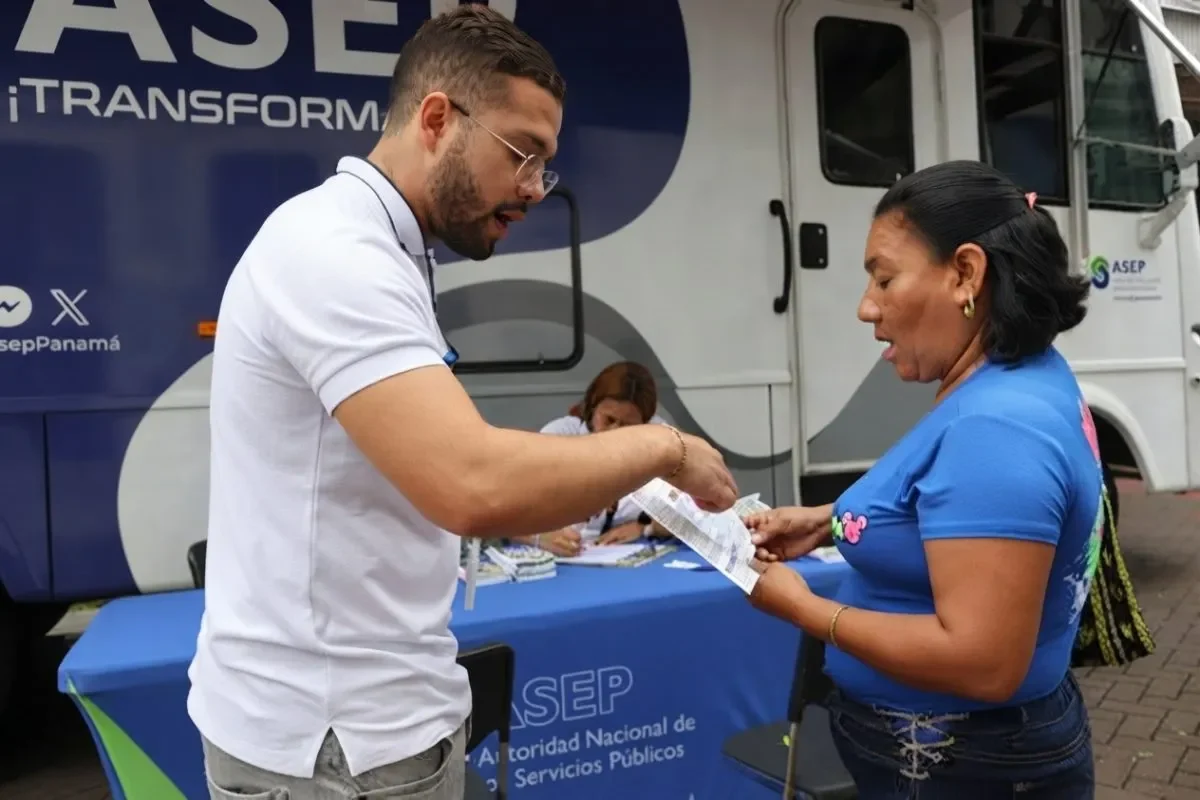
Beyond inspections and sanctions, ASEP operates a mobile assistance initiative called Asep Móvil. The program brings customer service directly to communities, allowing residents to file formal complaints and receive guidance about issues affecting their public utility services. Rodríguez Crespo noted strong participation in these outreach events, which serve as an alternative for consumers who might otherwise struggle to navigate bureaucratic complaint processes.
The combination of aggressive enforcement, physical infrastructure audits, and direct consumer engagement signals a more assertive regulatory posture from ASEP. The $122 million power tariff relief package fits within this broader strategy by removing immediate pricing pressure while the authority continues to address long-standing service quality problems. For Panamanian consumers, the coming months offer a respite from tariff increases, even as the regulator maintains pressure on distribution companies to improve their performance.
In summary, the government’s decision to subsidize tariff adjustments through year-end represents a significant fiscal commitment that prioritizes household energy costs during a period when many families face seasonal spending pressures. Whether this approach extends into 2027 will depend on both the budgetary landscape and the progress of ongoing enforcement actions against service providers. For now, the message to consumers is straightforward: their electric bills will remain flat through the end of the year.