


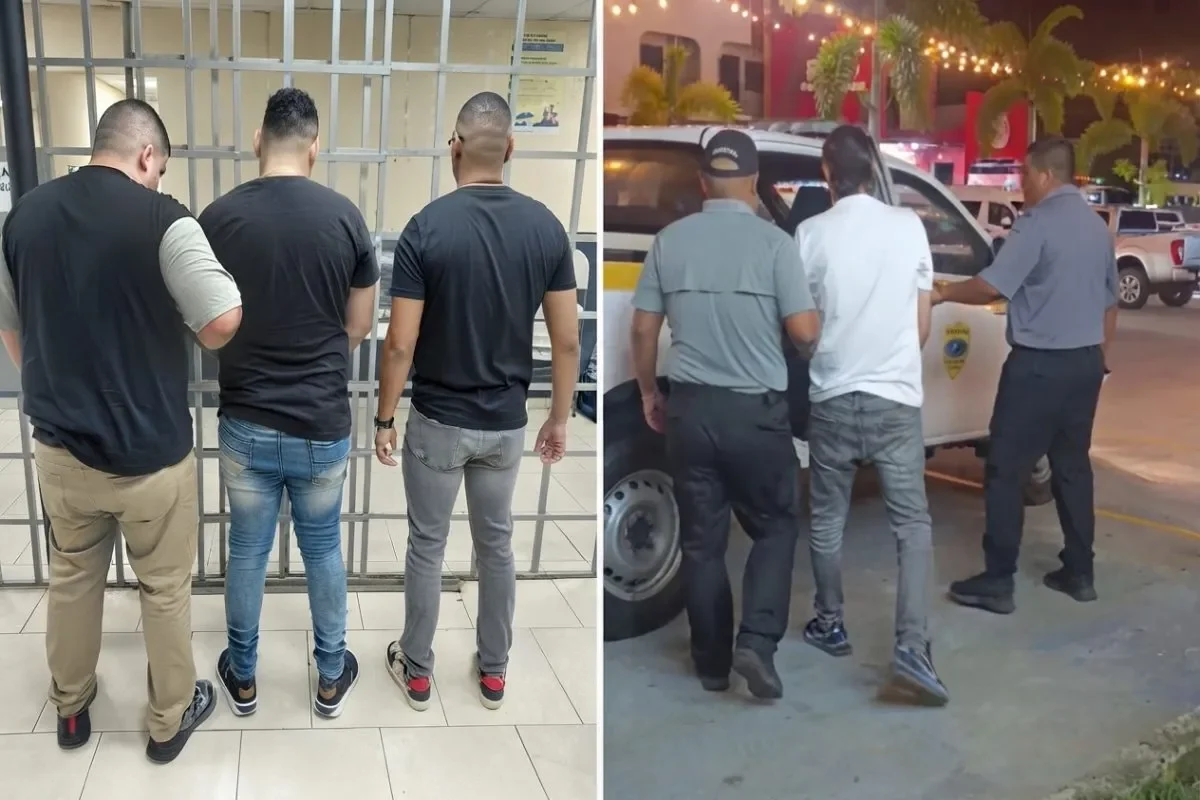
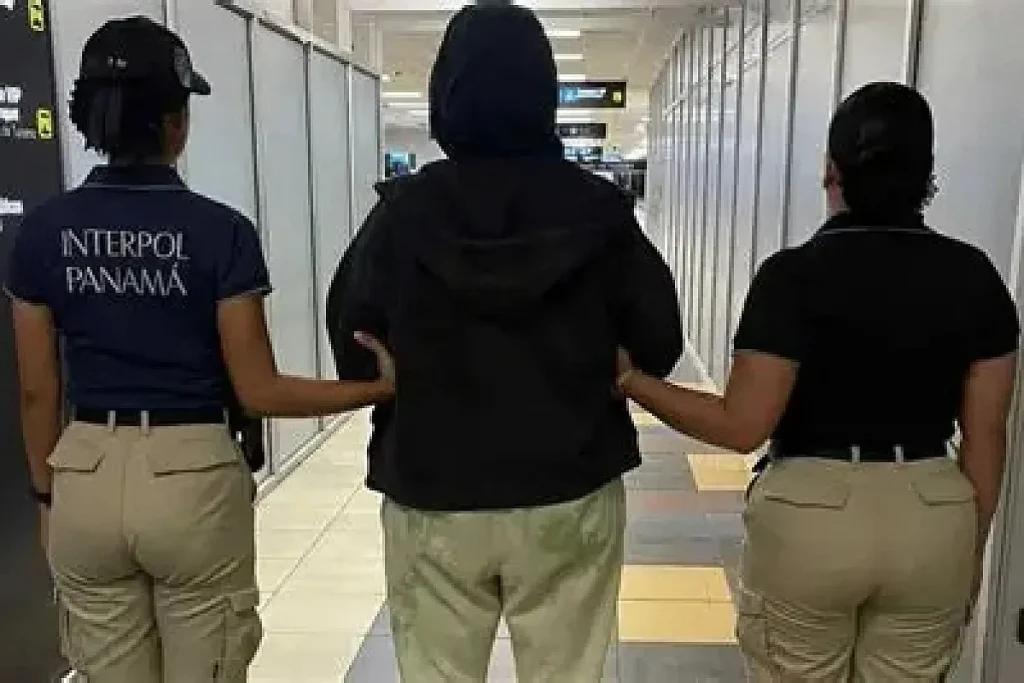
Panamanian authorities carried out a criminal organization expulsion on Tuesday, September 15, removing a Venezuelan citizen with alleged ties to the Tren de Aragua terrorist group. The National Migration Service confirmed the man was placed on a commercial flight to Venezuela under police custody after investigators determined he had evaded immigration checkpoints upon entering the country.
The deportation coincided with a separate operation in Penonomé, Coclé province, where agents detained another foreign national who admitted to running an informal lending scheme known as “gota a gota.” Both actions reflect a widening enforcement push against foreign nationals engaged in activities outside their declared immigration status.
Criminal Organization Expulsion and Tren de Aragua Links
The deported individual was flagged after migration officials verified his suspected connection to Tren de Aragua, a transnational criminal network that several governments have designated as a terrorist organization. Authorities said the man entered Panama without passing through official border controls, a violation that triggered immediate removal proceedings under current immigration law.
The National Migration Service stated there is zero tolerance for individuals who bypass checkpoints, maintain ties to organized crime, or perform work using their declared tourist status. The agency confirmed that verification operations will continue at borders, airports, highways, and urban centers across the country.

How the Gota a Gota Scheme Exploits Borrowers
The second case unfolded along Avenida Central in Penonomé during Operation Perseus, a joint effort between the Risk Analysis and Security Directorate and the Coclé field unit of the Migration Action Unit. The detained foreigner had entered Panama as a tourist but admitted during a formal interview that he issued informal micro-loans under the gota a gota model.
The gota a gota scheme, which translates to “drop by drop,” typically works like this: a lender offers small, fast cash loans with no paperwork or collateral. Repayment is collected daily or weekly, often at interest rates that can exceed 20 percent per month. What begins as a seemingly convenient financial arrangement quickly becomes coercive. Borrowers who miss payments face threats, harassment, and in many cases physical intimidation.
Criminal groups use gota a gota as a revenue stream that appears legitimate on the surface. The lending activity itself is not inherently illegal, but the collection methods and the lack of financial regulation make it a tool for extortion. Victims often include small business owners, market vendors, and low-income families who cannot access traditional banking.
To protect themselves, residents should avoid any lender who refuses to provide written contracts, charges daily collection fees, or asks for personal documents as informal collateral. Legitimate financial institutions in Panama are regulated by the Superintendency of Banks. Anyone approached by gota a gota operators should report the encounter to local police or migration authorities.

Detention and Next Steps for the Penonomé Case
The man detained in Coclé will be transferred to the Men’s Administrative Immigration Detention Center while authorities complete processing. Officials have not released his name or nationality, but the National Migration Service confirmed he acknowledged the lending activity during questioning.
The agency reiterated that tourists who engage in unauthorized work face detention and potential deportation. The ongoing Operation Perseus sweeps target exactly this type of status violation, particularly in interior provinces where informal economies have expanded.
Panama’s immigration enforcement has intensified in recent months as regional migration pressures grow. The combination of organized crime links and informal lending operations has pushed authorities to coordinate more closely across provinces, with Coclé emerging as a focal point for recent detentions.