


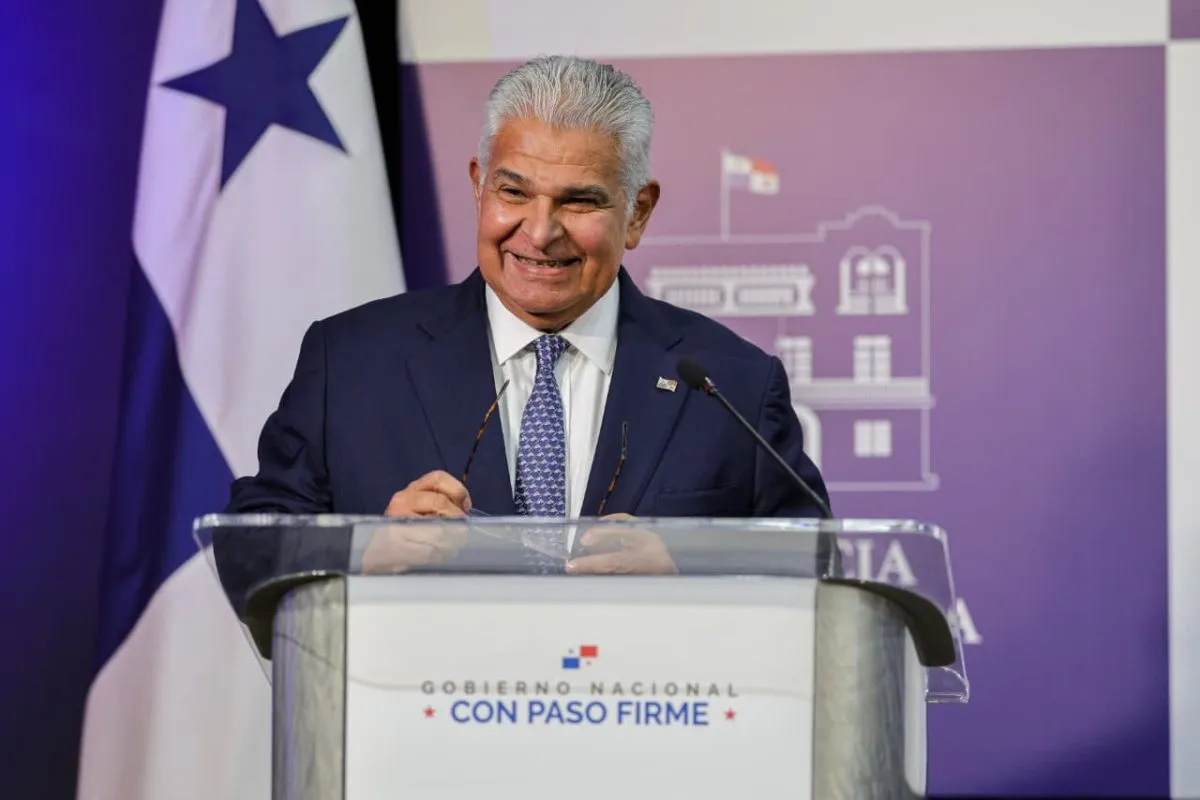
Panama City, Panama , President José Raúl Mulino announced Wednesday that Panama economic growth hit 6.4 percent in the second quarter, while unemployment fell to 9.3 percent. The figures, released during an infrastructure event in eastern Panama Province, mark the strongest signal yet that the country’s post-pandemic recovery is translating into tangible labor market gains.
Mulino said more than 100,000 new jobs were created over the past year, with private sector hiring outpacing public sector employment for the first time in 12 years. “It’s very encouraging for the country to strengthen and for those quarters of growth to start being felt in the pockets of Panamanian families,” he said [Translated from Spanish].
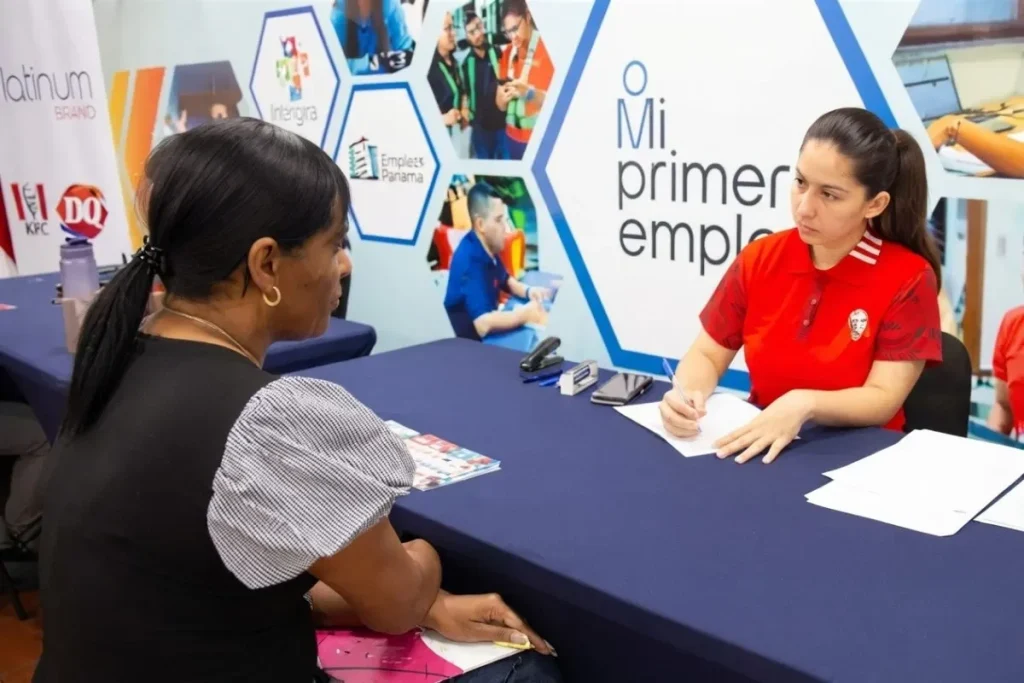
Panama Economic Growth Fuels Private Sector Hiring Shift
The president framed the 6.4 percent expansion as a foundation for broader development, not just a statistical milestone. He pointed to the private sector’s renewed role in job creation as evidence that economic momentum is diversifying beyond government payrolls. The unemployment rate dropped one full percentage point from the previous period.
Mulino also highlighted two housing policy moves designed to sustain construction activity. The Bono Pa’ti program provides $3,000 directly toward preferential interest home loans, while the elimination of a 2 percent tax aims to lower transaction costs for builders and buyers. Both measures, he argued, support employment in one of Panama’s most labor-intensive sectors.
Analysts note that construction has historically served as a bellwether for Panama economic growth, given its multiplier effects across materials, logistics, and professional services. The administration’s emphasis on housing incentives signals a bet that private investment can absorb workers who might otherwise seek public sector positions.
Water Projects Advance in Eastern Panama and Azuero
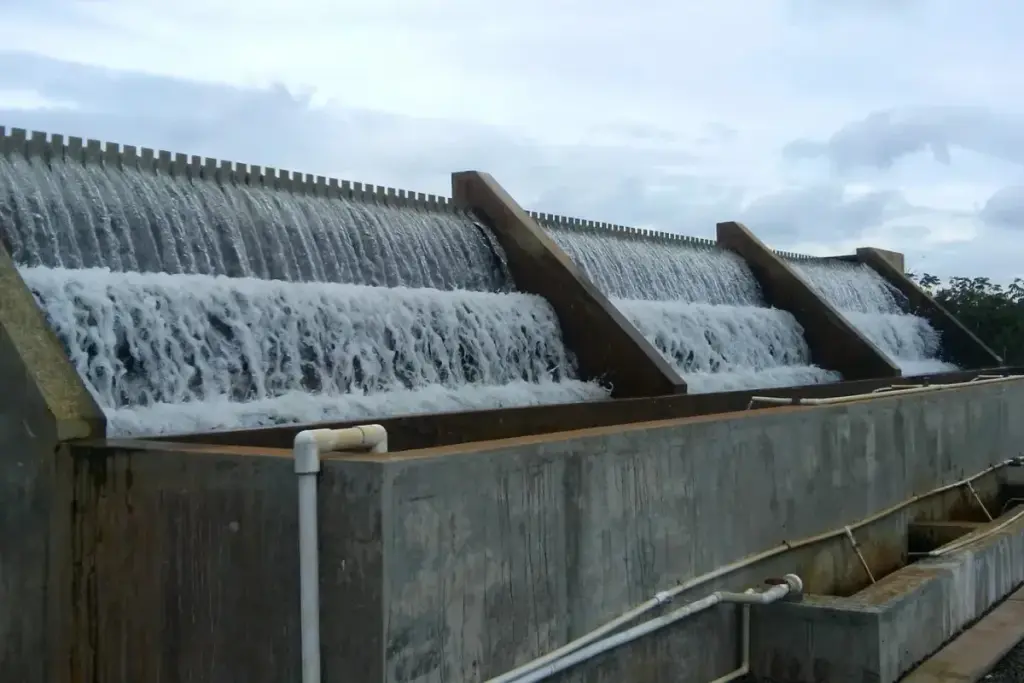
Beyond macroeconomic indicators, Mulino announced progress on potable water infrastructure in multiple provinces. Two water treatment plants in the Azuero region received orders to proceed, while the eastern sector of Panama Province saw the inauguration of a hydraulic ring project designed to stabilize supply and pressure across the distribution network.
The eastern works had stalled under previous administrations due to legal disputes and unpaid obligations. Mulino said the current government resolved those issues and restarted construction. In August, authorities issued proceed orders for the rehabilitation of the Pacora treatment plant and the Cabra 1 and Cabra 2 intake systems, which together will increase treated water volume available to eastern districts.
The president acknowledged that water infrastructure projects face inherent delays due to financing timelines, design complexity, and construction constraints. “The problem is that the solutions, the vast majority of the time, are high cost and depend on the time it takes to secure financing, develop the project, and carry out construction that, by its nature, is not fast,” he said [Translated from Spanish].
Leak Reduction Program Recovers 20 Million Gallons
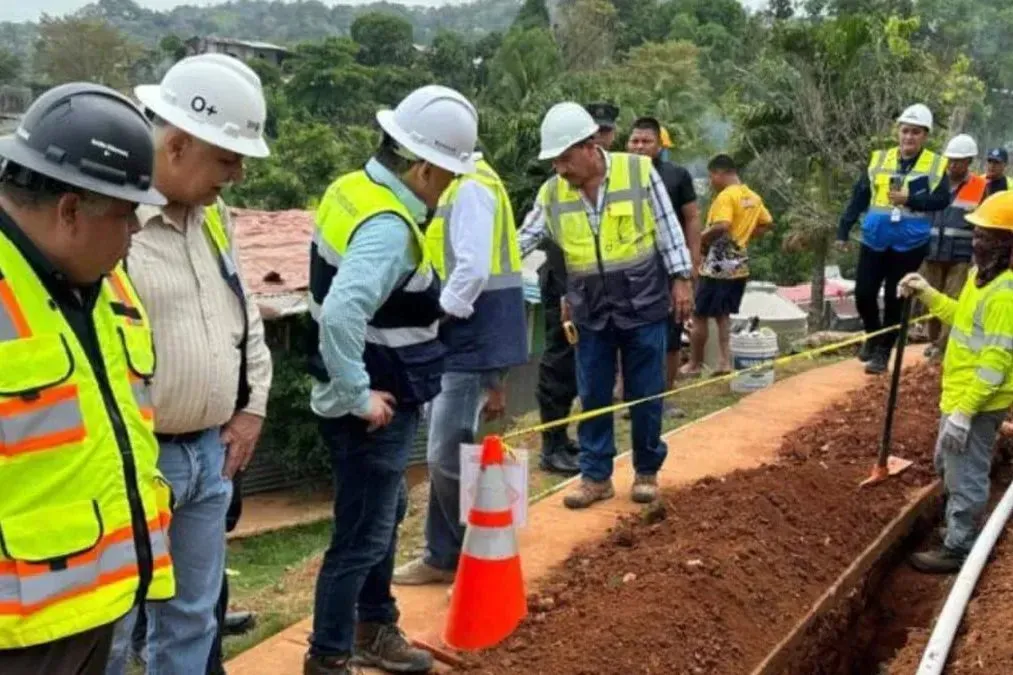
Mulino reported that the Panama Sin Fugas initiative, launched to address distribution losses, has recovered approximately 20 million gallons of water. At the start of his administration, nearly half of distributed water was lost to leaks, according to data from the national water authority Idaan. The recovered volume exceeds the entire production capacity of the Pacora plant.
Future phases of the program will replace aging pipes and valves throughout the network. Mulino also called on residents to use water responsibly, noting that infrastructure improvements alone cannot guarantee long-term supply security.
The dual focus on macroeconomic performance and water access reflects a broader strategy to connect national growth figures with concrete service improvements. Whether that connection holds in public perception remains an open question as the administration moves into its next budget cycle and prepares for additional infrastructure tenders in Chiriquí and Panama Oeste provinces.