


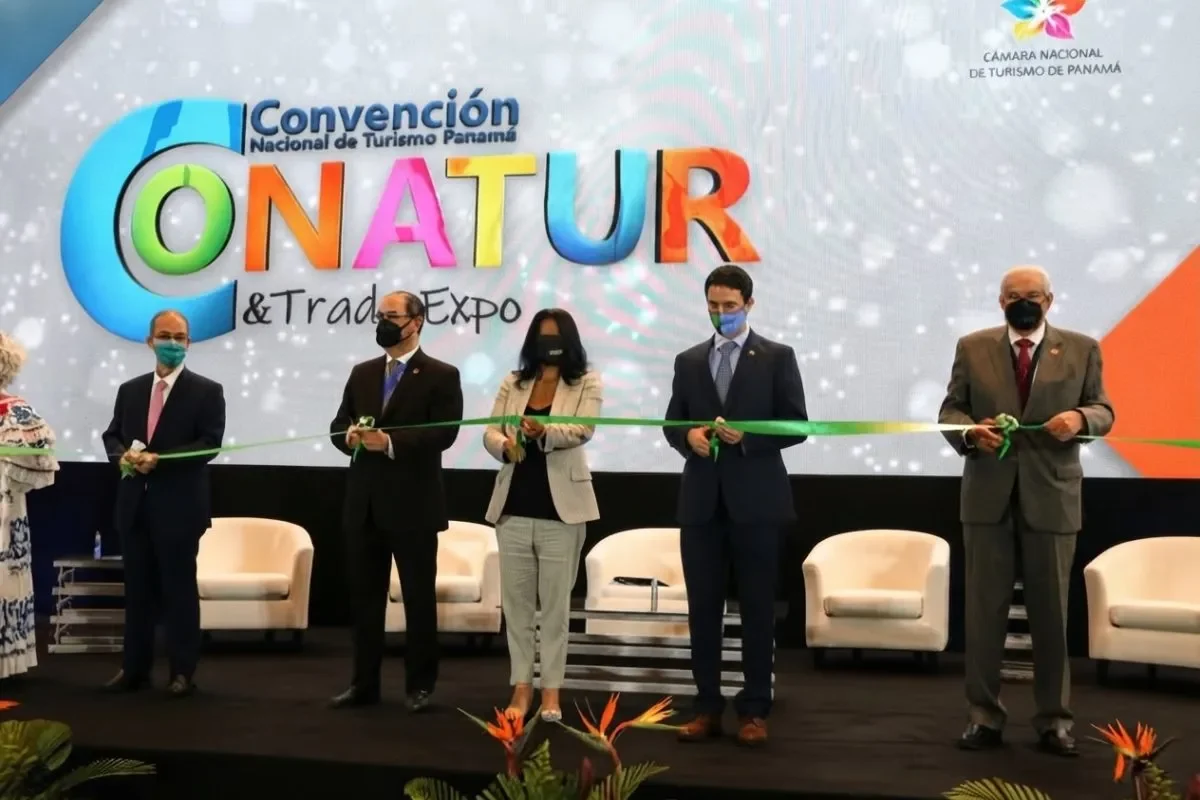
Panama City will host the National Tourism Convention (Conatur) on October 8 at Albrook Mall, drawing more than 100 entrepreneurs and industry leaders to examine how the new tourism incentives law can redirect visitor spending beyond the capital. Organizers from the National Chamber of Tourism confirmed the agenda will focus on financing access, infrastructure gaps, and the recently launched country brand.
The one-day gathering arrives as Panama City hotels report high occupancy rates, a trend that has yet to translate into broader economic gains for provinces. Industry representatives argue that without targeted incentives and improved connectivity, the current tourism boom will remain concentrated in urban Panama.
Tourism Incentives Law and Regional Distribution
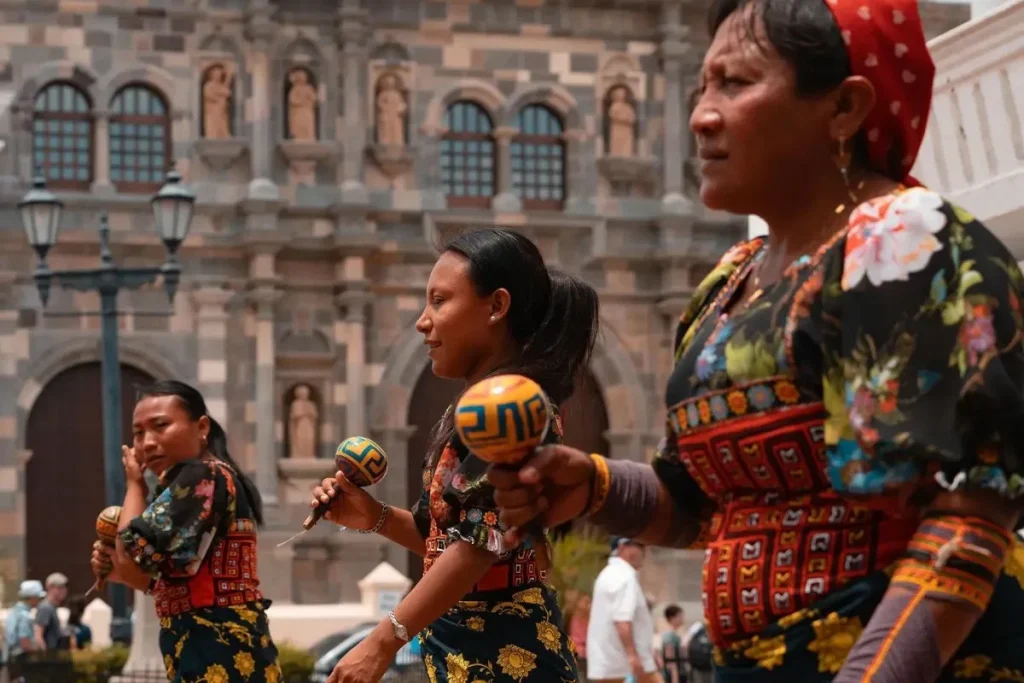
The newly enacted tourism incentives law will occupy a central role in convention discussions, with particular attention to its potential effect on interior destinations. Panelists plan to examine whether the legislation’s provisions adequately support small business owners who form the backbone of regional tourism operations.
Financing remains a persistent obstacle for these operators. Organizers noted that many small entrepreneurs lack access to capital needed to upgrade facilities or expand services, limiting their ability to capture a share of visitors already arriving in the country. The convention will address bureaucratic hurdles and excessive red tape that slow project development across the sector.
Panama’s tourism authorities have promoted the incentives framework as a mechanism to stimulate investment in underserved areas. But industry leaders say implementation details will determine whether the law delivers measurable results outside the capital’s hotel corridors, ensuring that regional communities truly benefit from economic diversification and long-term sustainable growth opportunities.e egu
Country Brand and Visitor Experience
Beyond legislative matters, convention organizers will press the case that Panama’s country brand cannot succeed as a logo or advertising campaign alone. They contend that citizen engagement, specifically hospitality and service quality, forms the foundation of any credible national tourism identity.
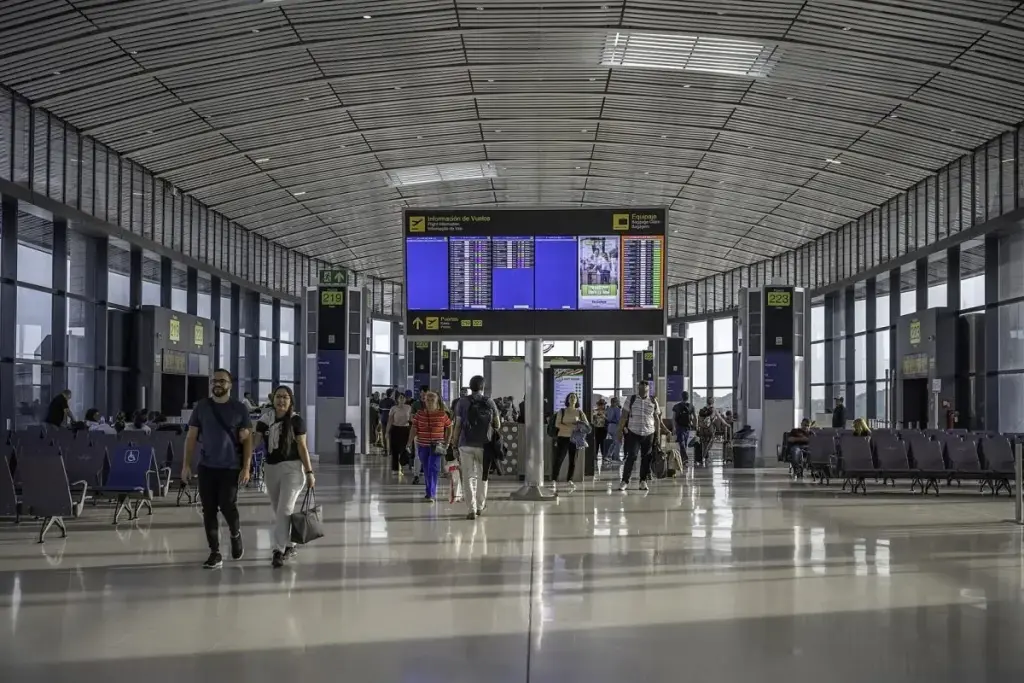
The recently launched brand initiative seeks to position Panama as more than a transit hub. Yet achieving that goal requires consistent visitor experiences across multiple touchpoints, from airport arrival to regional excursions. Convention panels will explore how cultural integration and tourism can reinforce the brand’s promise.
Organizers emphasized that Panamanians themselves serve as the primary ambassadors for the country’s image. Training, service standards, and community participation all factor into whether visitors extend their stays or recommend Panama to others.

Infrastructure, Connectivity and Future Outlook
Discussions will also cover the practical barriers preventing travelers from venturing beyond Panama City. Infrastructure quality, basic services, accessibility, and hotel conditions in regional destinations all require assessment if the country hopes to distribute tourism benefits more evenly.
The convention will feature an exhibition alongside cultural and gastronomic showcases, giving attendees direct exposure to products and experiences from across Panama. This component aims to connect urban-based entrepreneurs with regional suppliers and service providers.
Ultimately, organizers frame the convention as a strategic forum for aligning government policy with private sector needs. The tourism incentives law provides a legislative foundation, but its success depends on coordinated execution across financing, infrastructure, and marketing efforts. The October 8 event represents an early test of whether the industry can unite behind a shared vision for Panama’s tourism future.