


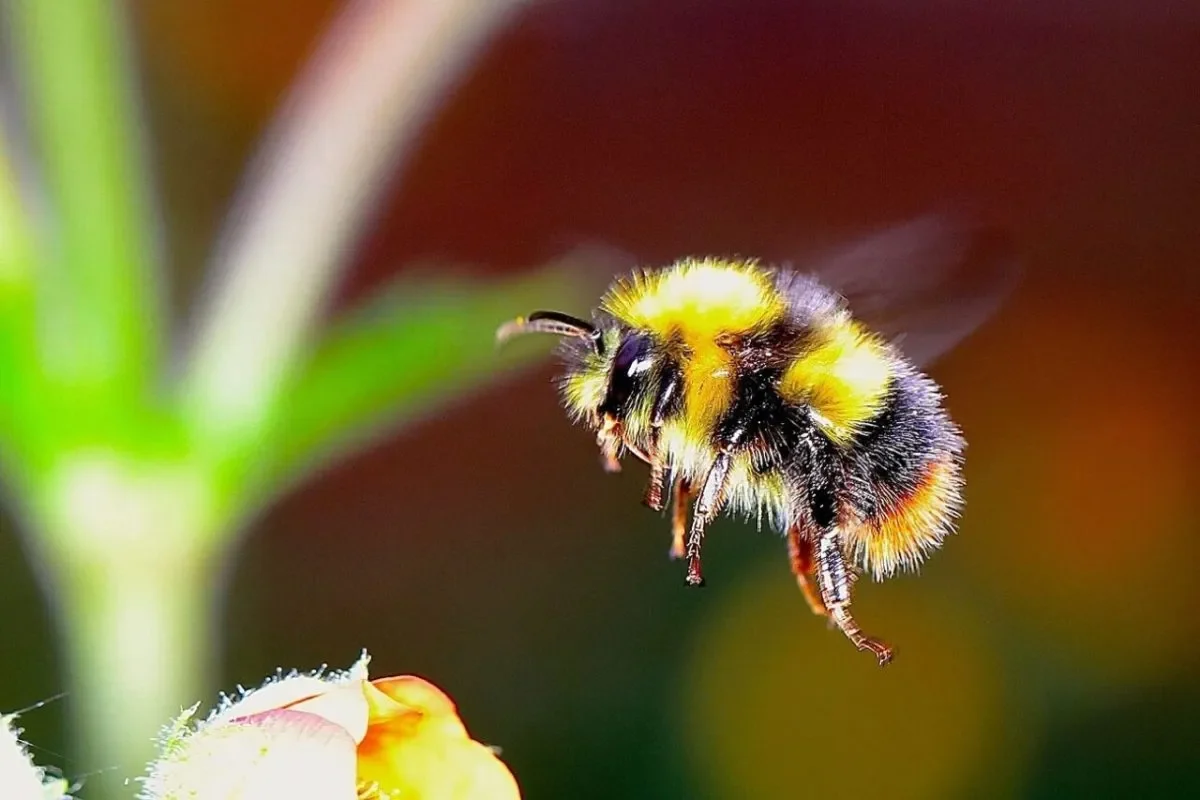
Panamanian beekeepers are adopting sustainable beekeeping Panama methods focused on native stingless bee species, receiving hands-on training in hive management and colony transfer techniques, agricultural officials confirmed this week.
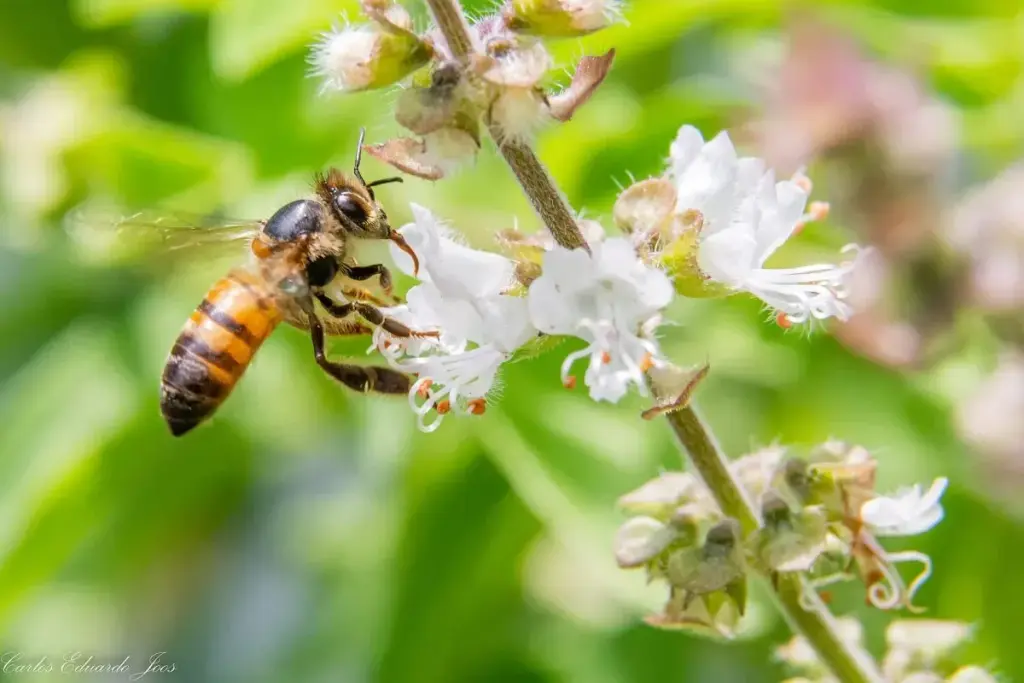
The initiative, led by the Ministry of Agricultural Development (MIDA) and the Agricultural Innovation Institute of Panama (IDIAP), included practical demonstrations of transferring two hives alongside guidance on proper care for these specialized pollinators.
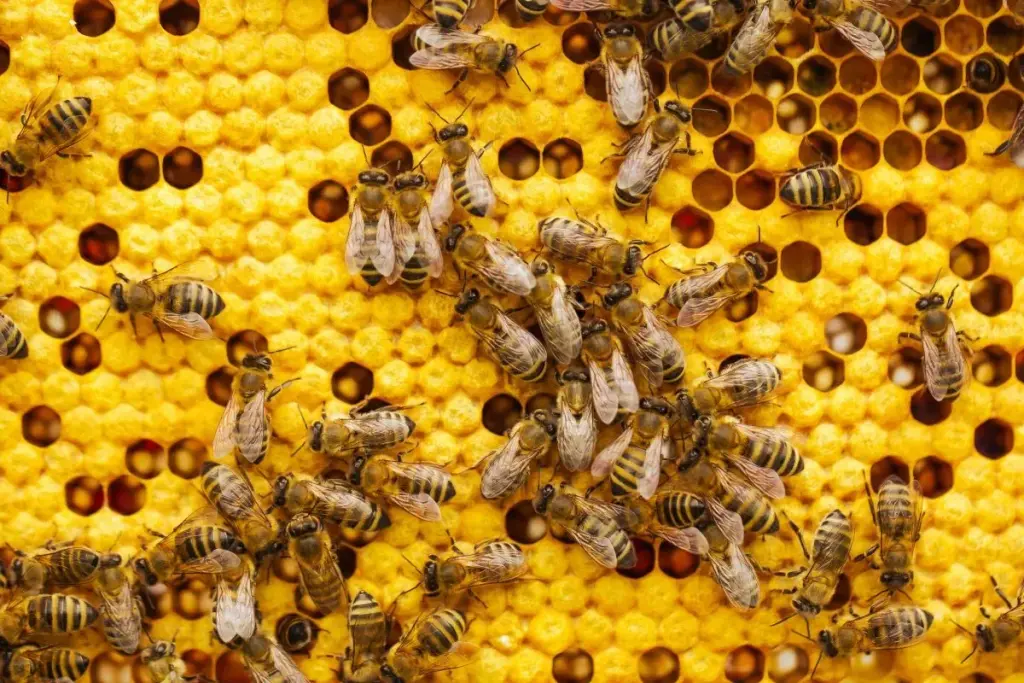
Sustainable Beekeeping Panama Gains Ground in Rural Communities
Panama has emerged as a key country for understanding the relationship between native stingless bees, honey production, and public agricultural policy. The push comes amid broader concerns about climate change, rural transformation, and the revival of ancestral traditions.
Two distinct bee populations coexist in Panama. The European honeybee (Apis mellifera) dominates commercial beekeeping, but a diverse group of native stingless bees from the Meliponini tribe, locally called meliponas, angelitas, or “bees that don’t sting,” is gaining attention for its ecological value.
These native bees possess atrophied stingers, advanced social organization, and exceptional efficiency as pollinators. They play a critical role in crops such as avocado, coconut, coffee, and cucurbits, as well as wild vegetation across tropical agroecosystems.
Distinct Honey Profile Drives Market Interest
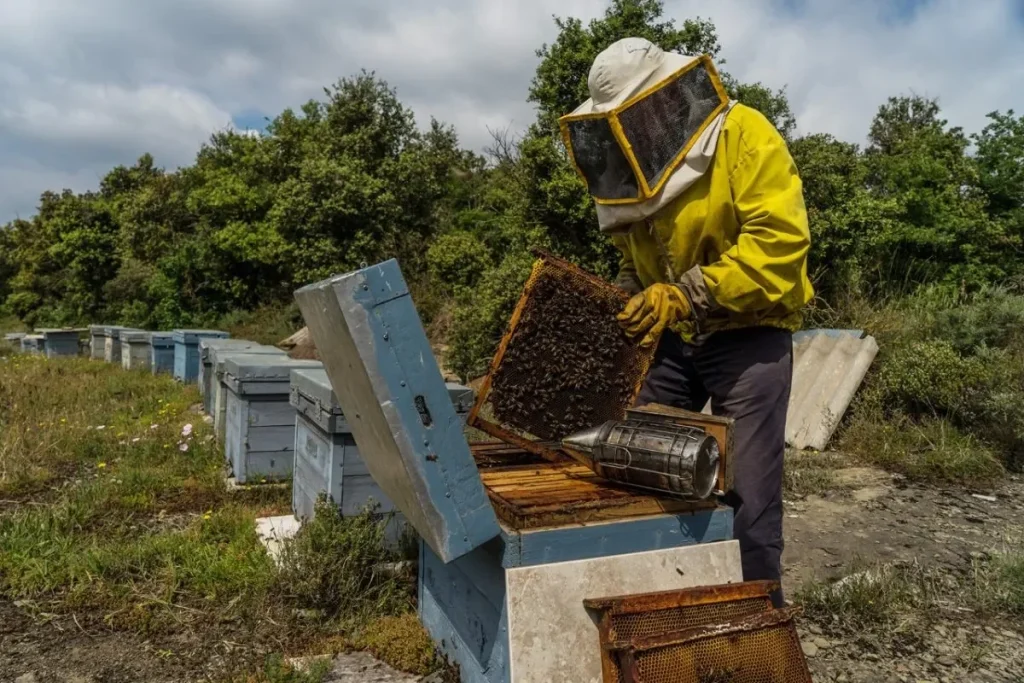
The honey produced by stingless bees differs significantly from conventional honey. It contains higher moisture content, flows more easily, and registers elevated acidity levels. It also concentrates bioactive compounds including polyphenols and flavonoids, positioning it as an exotic honey with potential nutritional and therapeutic advantages.
But production volumes remain low. Sources familiar with the sector said stingless bee honey stays mostly within local circuits and faces serious threats, including habitat loss, pressure from conventional beekeeping, and the abandonment of traditional meliponiculture practices.
Since 2011, MIDA’s Bee Health Program has monitored pests and diseases in beekeeping systems while complementing sanitary oversight with training, equipment distribution, and technical support for producers.
Mangrove Honey Harvest Marks Milestone
In March, communities in París, Herrera Province, and Santa Ana, Los Santos Province, harvested their first liters of honey produced within mangrove ecosystems. Mangroves face growing threats from the climate crisis, making the harvest a notable step for local communities seeking sustainable economic alternatives and environmental protection mechanisms.
The harvest demonstrated how meliponiculture can support conservation goals while generating income. Mangrove ecosystems serve as critical buffers against coastal erosion and provide habitat for numerous species, yet they continue to shrink across the region.
State programs increasingly frame meliponiculture as a strategy for sustainable rural development, productive diversification, and conservation of key ecosystems. The approach links traditional knowledge with modern agricultural extension services.
Peru recently became the first country worldwide to grant legal rights to Amazonian stingless bees, a development that regional observers say could influence policy discussions in Panama. The legal recognition reflects growing awareness of these pollinators’ ecological and cultural significance.
The training sessions in Panama mark an early stage in what proponents describe as a long-term shift toward diversified beekeeping. For now, the focus remains on building local capacity and ensuring that communities have the tools to manage native hives responsibly.