


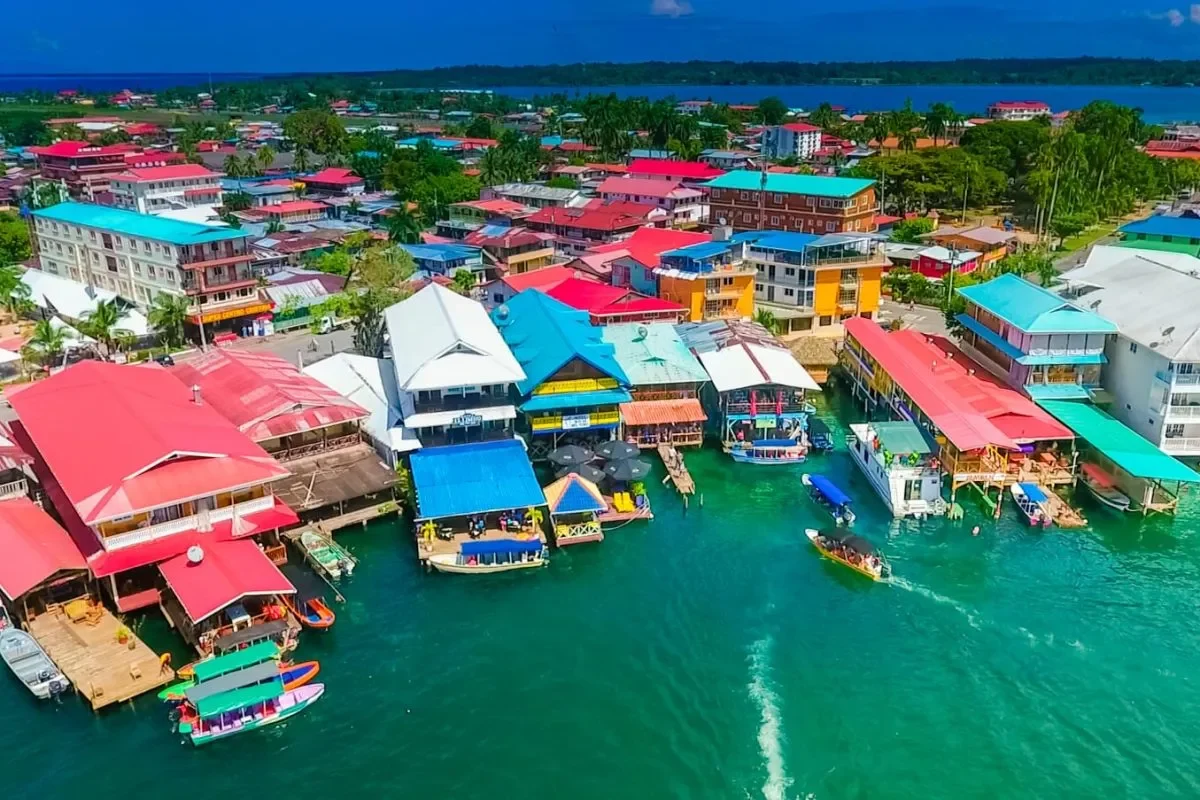
The archipelago of Bocas del Toro is world-renowned for its turquoise waters, vibrant Caribbean culture, and paradisiacal cays that attract thousands of visitors every year. However, beneath the tourist surface lies an increasingly pressing economic reality for those who depend on the sea to work and survive.
Rising fuel costs are squeezing the profit margins of boat operators in Chiriquí Grande, Bocas del Toro, who have chosen to keep passenger fares unchanged despite paying around $5 per gallon. The decision affects daily transport for teachers and residents traveling to remote island communities in the Ngäbe-Buglé region, including Kusapín, Kankintú, and Río Chiriquí.
Transporters say fuel now represents a major portion of their daily operating expenses, yet they are absorbing the increase rather than passing it on to passengers. The move aims to protect ridership and avoid burdening communities that depend on maritime transport for essential errands.
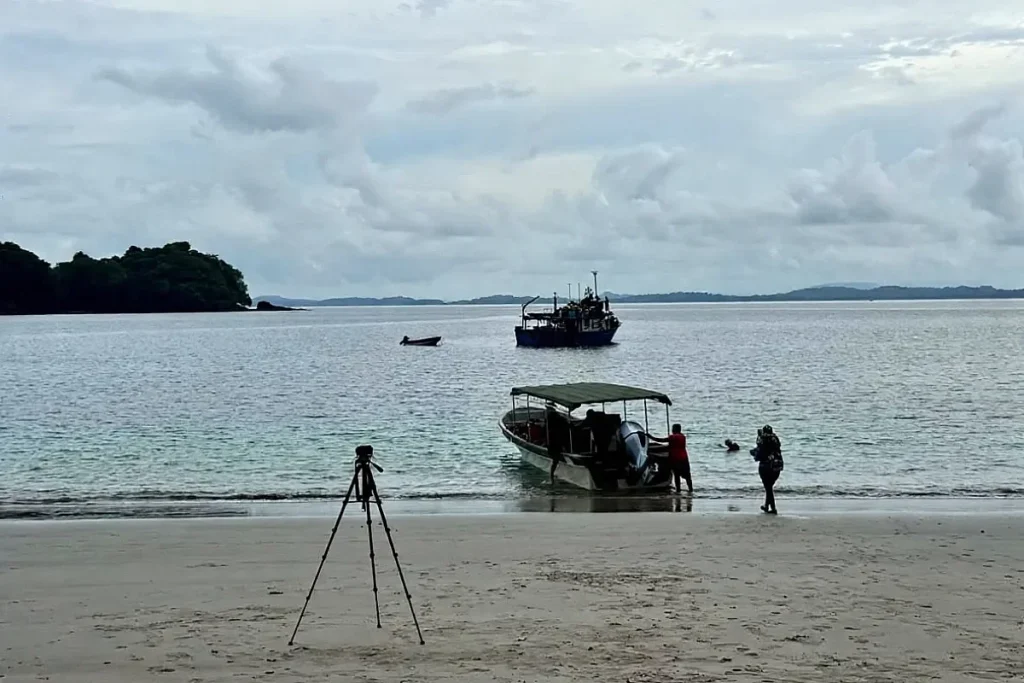
Maritime Routes and Passenger Demand
The boat service connects Chiriquí Grande with hard-to-reach areas of the Ngäbe-Buglé comarca. Fares vary by distance, with longer trips costing more. Teachers who work in these communities rely on the boats during the week, while weekends see an uptick in passengers traveling to withdraw money and handle personal business before returning to their schools.
Operators report that maintaining current prices is a deliberate strategy to keep demand stable. Without the service, many residents would face significant barriers reaching basic services and workplaces.
Fuel Price Impact on Daily Operations
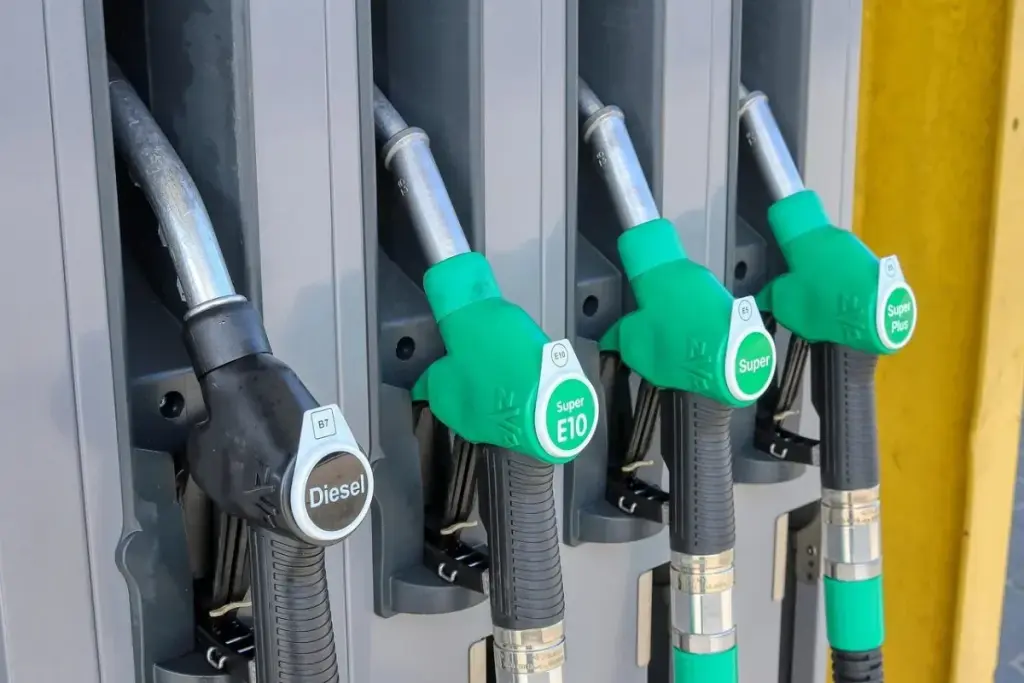
Each round trip requires a set amount of fuel, and at roughly $5 per gallon, the math has become tighter. Boat operators describe shrinking earnings as the gap widens between what they spend on fuel and what they collect in fares. They have not announced any timeline for reviewing the fare structure.
The situation mirrors broader pressure felt across Panama’s transport sector, where fuel volatility often forces difficult choices between profitability and accessibility. For now, Chiriquí Grande’s boat operators are prioritizing continuity of service over margin recovery.
Community Dependence and Long-Term Outlook
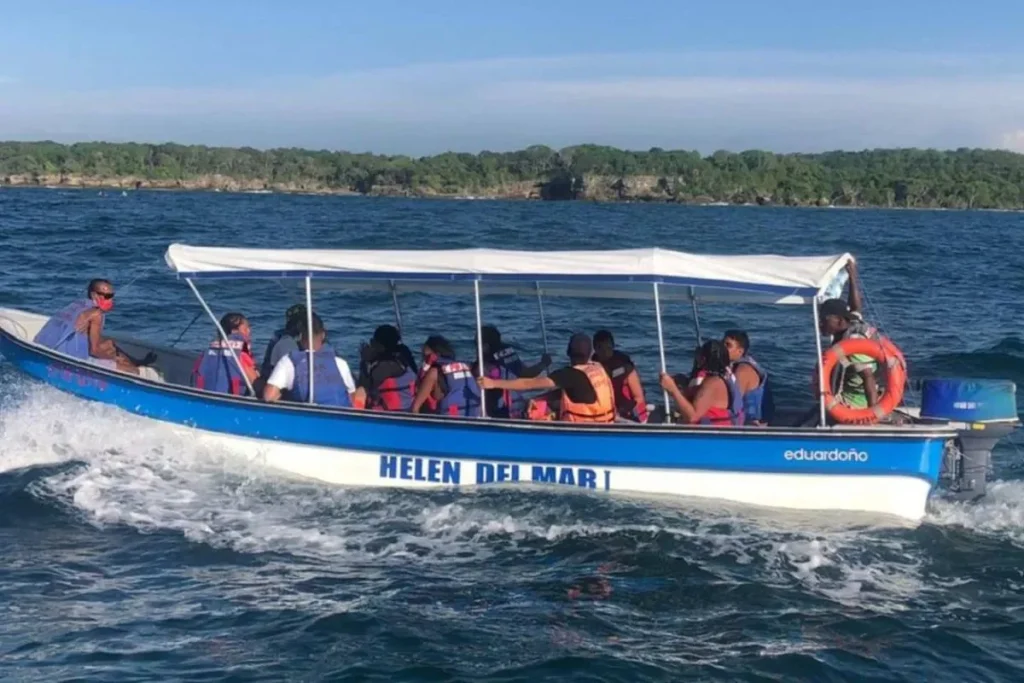
Residents of Kusapín, Kankintú, and Río Chiriquí depend on these boats for mobility that roads cannot provide. Teachers, in particular, use the service to reach classrooms in isolated areas, making the fare freeze a critical factor in educational access.
Boat operators acknowledge that absorbing fuel increases is not sustainable indefinitely. But for the moment, they view stable fares as essential to supporting the communities they serve and preserving a transportation lifeline across the region’s waterways.