


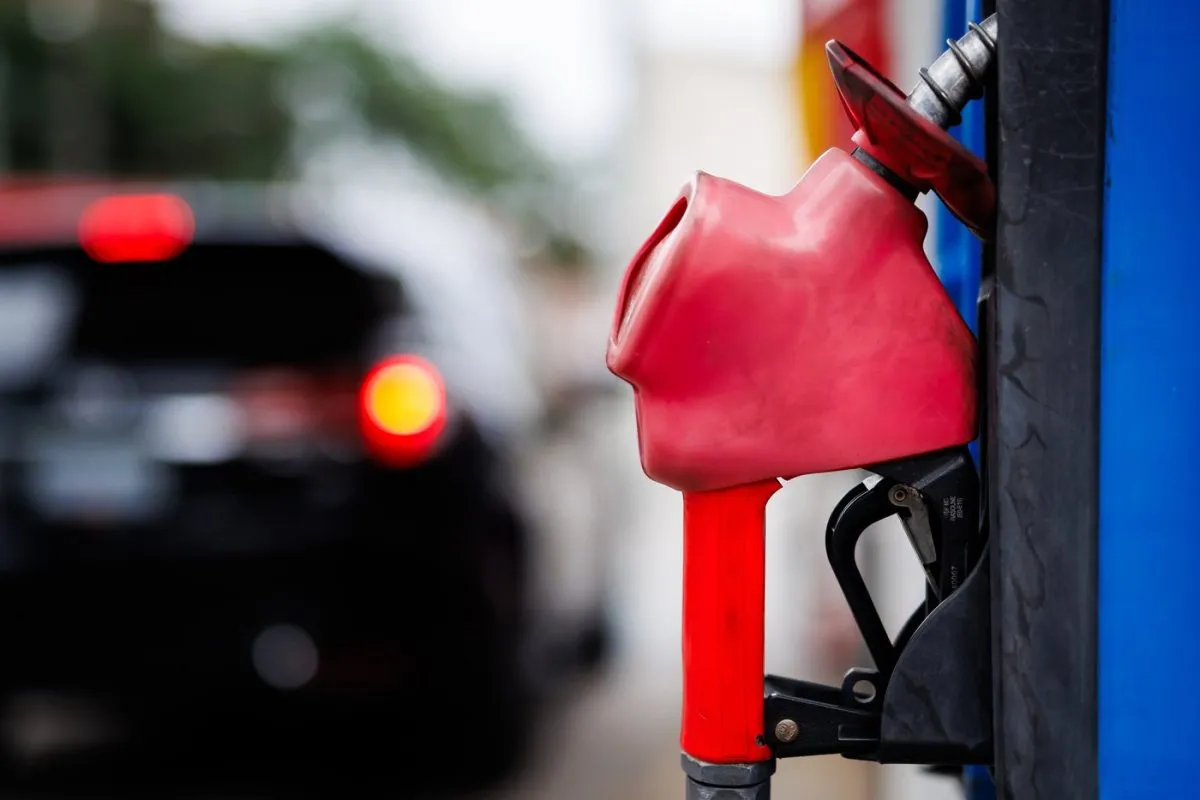
The Panamanian government has spent $66 million of the $100 million authorized for fuel subsidies in 2026 and is now seeking a government budget transfer of $30 million to cover the program through December, officials confirmed Thursday.
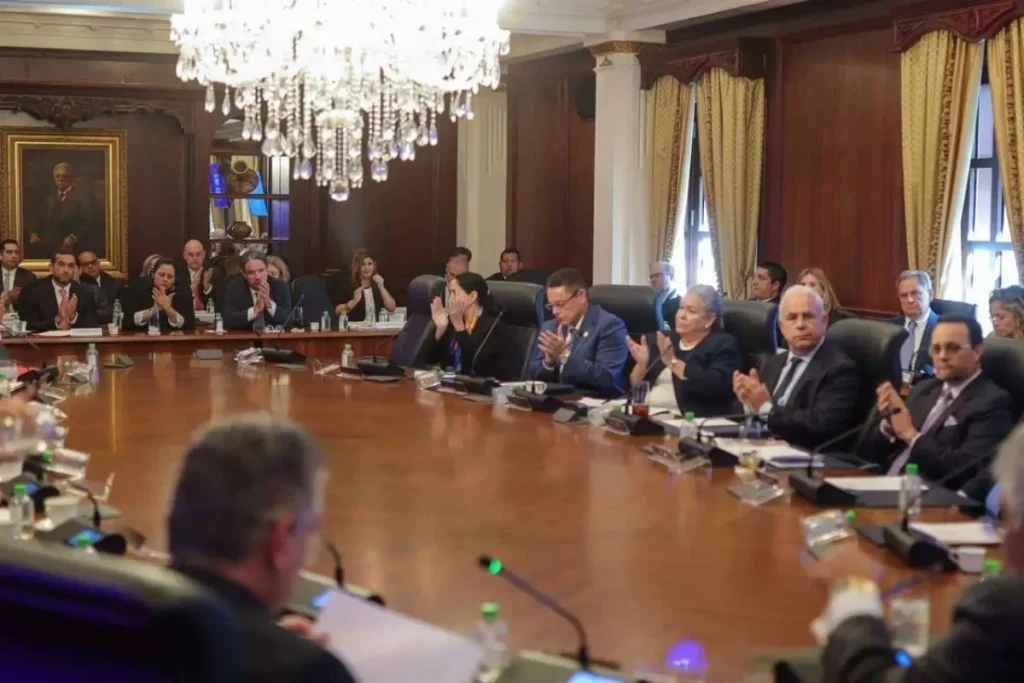
Vice Minister of Economy and Finance Fausto Fernández appeared before the National Assembly‘s Budget Committee on October 1 to request the transfer, just one day before gasoline prices were set to rise again. The 95 and 91 octane gasolines increased in price starting Friday, October 2, while diesel decreased, according to the National Energy Secretariat.
Government Budget Transfer Request and Price Pressures
Fernández explained that the additional $30 million would complete the nearly $100 million authorized by the Cabinet Council in April for the fuel subsidy program. The program was designed to run for 10 months under a Cabinet resolution issued earlier this year.
The vice minister stated the subsidy would remain in place as long as fuel prices stay above the levels recorded when the program began. In April, a liter of 95 octane gasoline cost $1.26. As of October 2, that same liter reached $1.42.
Removal of the subsidy depends on prices returning to those baseline levels and remaining stable for a defined period, Fernández said. He did not specify the exact stabilization window required.

Questions Over Consumer Impact and Food Prices
Lawmakers pressed Fernández on whether the government can prove the fuel subsidy translates into lower costs for consumers, particularly for food. The vice minister acknowledged there is no mechanism to guarantee that outcome.
“There are many moving parts in that equation,” Fernández said, noting that input costs have also been affected by international conditions. He said the government’s goal is to reduce the impact of fuel increases on sectors like public transportation, but he could not directly attribute food price behavior to the subsidy.
The distribution chain involves multiple factors, from transportation to the cost of agricultural inputs, making direct correlation difficult to establish, Fernández explained.
Transparency Concerns and Data Access
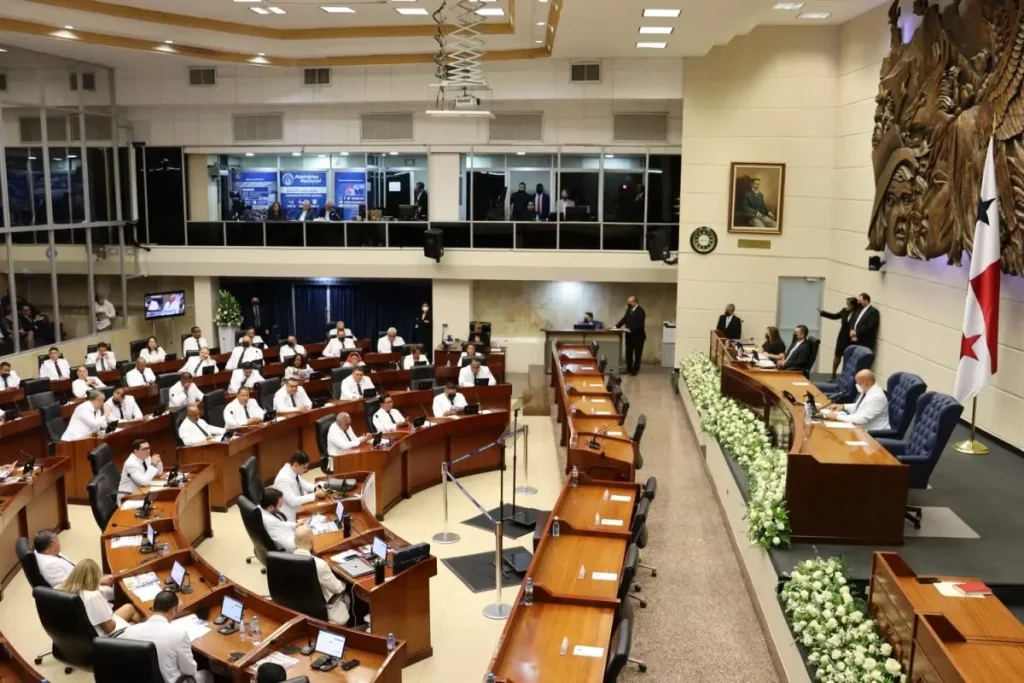
Deputy Yamireliz Chong of the Vamos party criticized the lack of transparency in how the funds are allocated. Fernández responded that the Ministry of Economy and Finance tracks who uses the subsidy, when they use it, and what type of fuel they purchase through a platform managed jointly with the National Authority for Government Innovation.
But he admitted that this information is not publicly available. The government is working on a method to disclose it, he said.
The Budget Committee requested a breakdown of how much of the $66 million already spent went to public transportation, commercial and industrial fleets, and artisanal fishing. Fernández promised to deliver that breakdown later. Lawmakers also raised the possibility of making program beneficiaries public while respecting personal data protection laws.
The subsidy program has drawn scrutiny as fuel prices continue climbing despite the government intervention. With the full $100 million nearly exhausted and three months remaining in the year, the budget transfer request signals the program will likely consume its entire authorized amount by December.
Clearly, until the fuel crisis is resolved, the bleeding in the national budget will continue.