


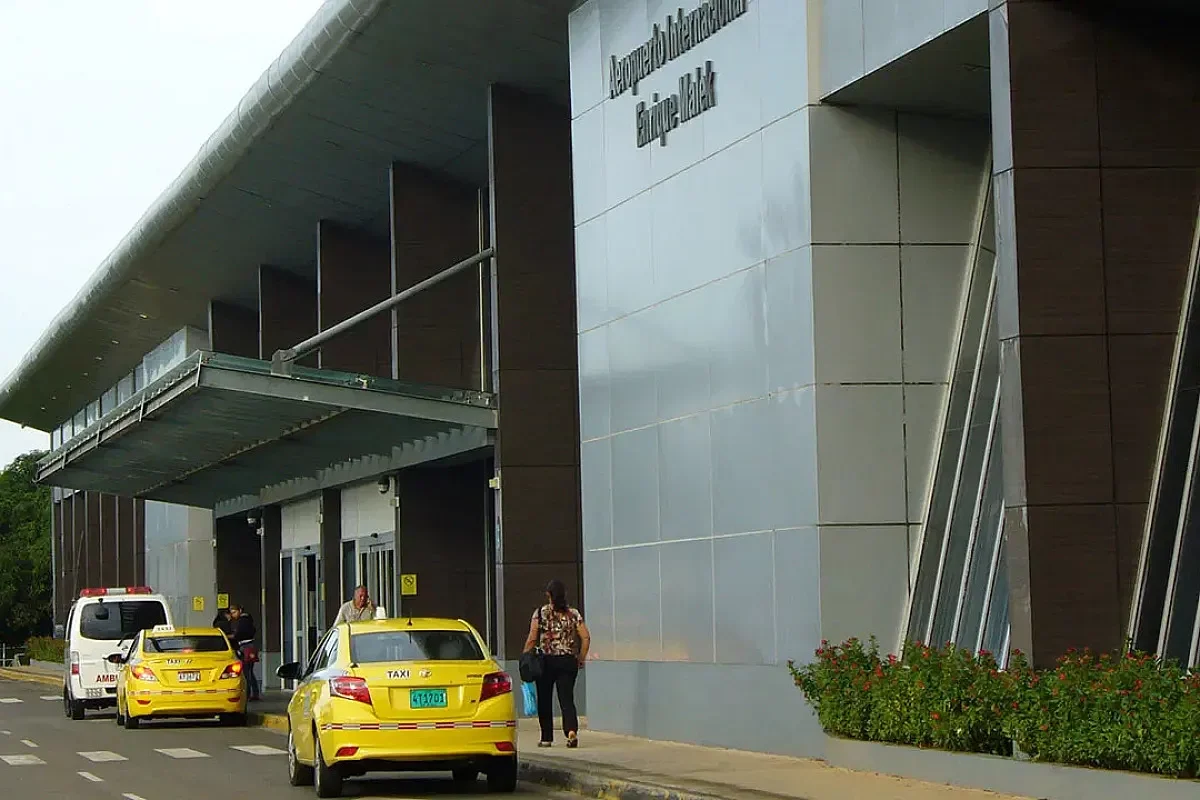
Panama’s Tocumen International Airport is preparing to hand over management of the Río Hato and David regional airports to private operators by January 2027, a move aimed at transforming chronically unprofitable terminals into self-sustaining assets. The airport operator contract strategy, announced by Tocumen General Manager José Ruiz Blanco, marks a decisive shift away from permanent government subsidies toward a value-generation model.
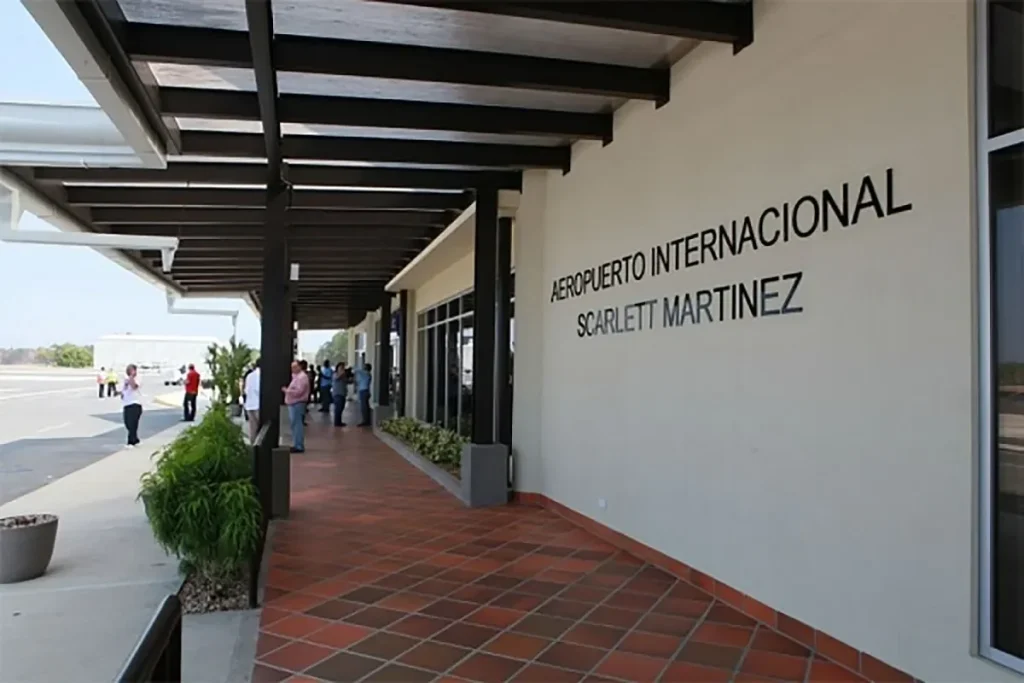
The Enrique Malek Airport in David and Scarlett Martínez Airport in Río Hato will be the first to transition under five-year Operation and Maintenance contracts. Meanwhile, the Enrique A. Jiménez Airport in Colón could be absorbed into the Colón Free Zone’s administrative structure, according to discussions between Tocumen and Free Zone manager Luisa Napolitano.
Airport Operator Contract Framework and Timeline
Ruiz Blanco confirmed that consortium bidding for the regional airports should conclude this year, with a selected operator assuming control in January 2027. “For this year, the consortia for the regional airports are expected to be awarded so that by January 2027 we already have a company managing and operating Río Hato and David,” he said [Translated from Spanish].
The proposed model, first presented during a February 2026 Logistics Cabinet meeting, calls for Tocumen to continue financing modernization, major maintenance, and regulatory compliance. The selected international operator would handle daily management under centralized supervision with specific performance targets. Tocumen views the five-year O&M period as a stabilization phase before evaluating long-term concessions.
For Colón, the path differs. Napolitano has expressed interest in administering the terminal, which currently sits largely inactive. Ruiz Blanco endorsed the idea, noting that with capable management, the airport could serve passenger or cargo traffic depending on regional development needs. The Free Zone will ultimately define the terminal’s purpose.

Financial Losses Drive Urgency for Reform
The three regional airports recorded a combined negative EBITDA of nearly $5 million in 2025. Without intervention, projected state costs would reach approximately $60 million over the next three decades. These figures underscore why the Mulino administration has prioritized concession processes since 2025.
President José Raúl Mulino had originally aimed to complete concession processes for Río Hato, David, and Colón by December 31, 2025. That deadline slipped, but the current roadmap reflects a more incremental approach: stabilize operations first, then pursue sustainable concessions from a position of strength rather than desperation.
The strategic activation of David and Río Hato could generate up to $8 billion in tourism-
social benefits, according to technical studies cited during the February presentation. The plan also projects 1,750 direct jobs and more than 10,600 indirect positions, figures that resonate in provinces where formal employment remains scarce.

Tourism Growth and Regional Economic Impact
Río Hato serves the Pacific beach corridor in Coclé province, a growing destination for resort tourism and second-home development. David functions as the gateway to Chiriquí’s highlands, coffee regions, and cross-border commerce with Costa Rica. Both terminals have struggled to attract consistent commercial air service despite their strategic locations.
The O&M contract structure allows Tocumen to retain ownership and capital investment responsibilities while leveraging private sector expertise for route development, cost control, and passenger experience improvements. This hybrid approach mirrors successful airport management models in other Latin American markets where public ownership coexists with private operations.
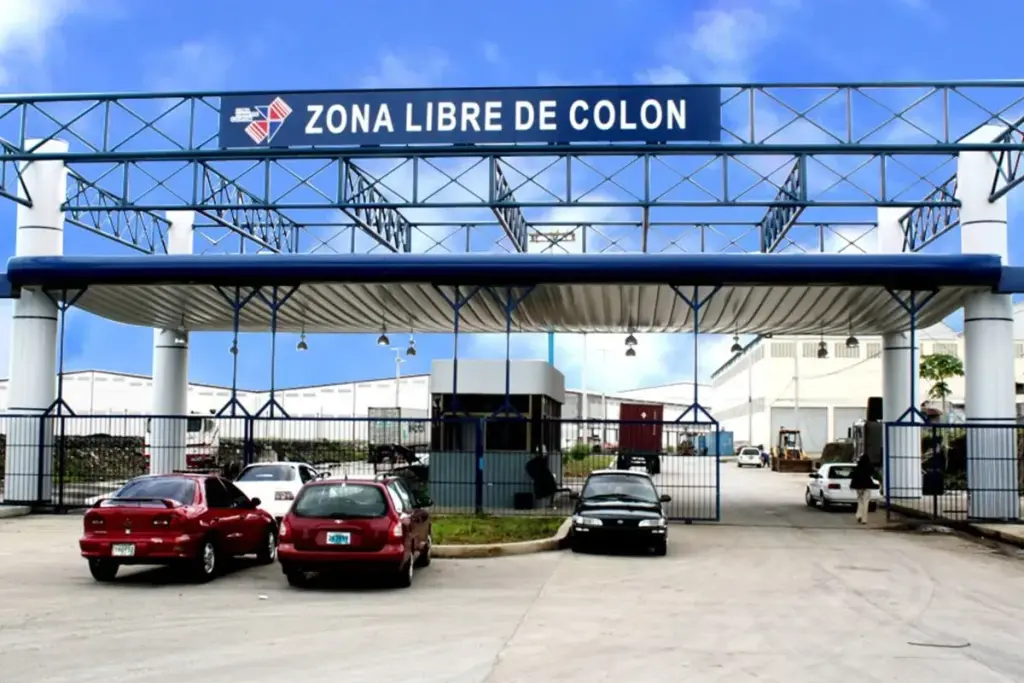
The Colón integration with the Free Zone represents a distinct opportunity. The Free Zone already manages significant logistics infrastructure and commercial activity. Adding an airport to that portfolio could streamline cargo operations and potentially create new passenger routes serving the Caribbean coast, an area historically underserved by air connectivity.
Ultimately, the plan’s success hinges on whether private operators can boost passenger traffic fast enough to offset operational costs. The government’s willingness to maintain capital investment during the transition period signals recognition that infrastructure improvements must accompany management changes. For residents of Coclé and Chiriquí, the promise of functional, commercially viable airports could reshape local economies within the next decade.