


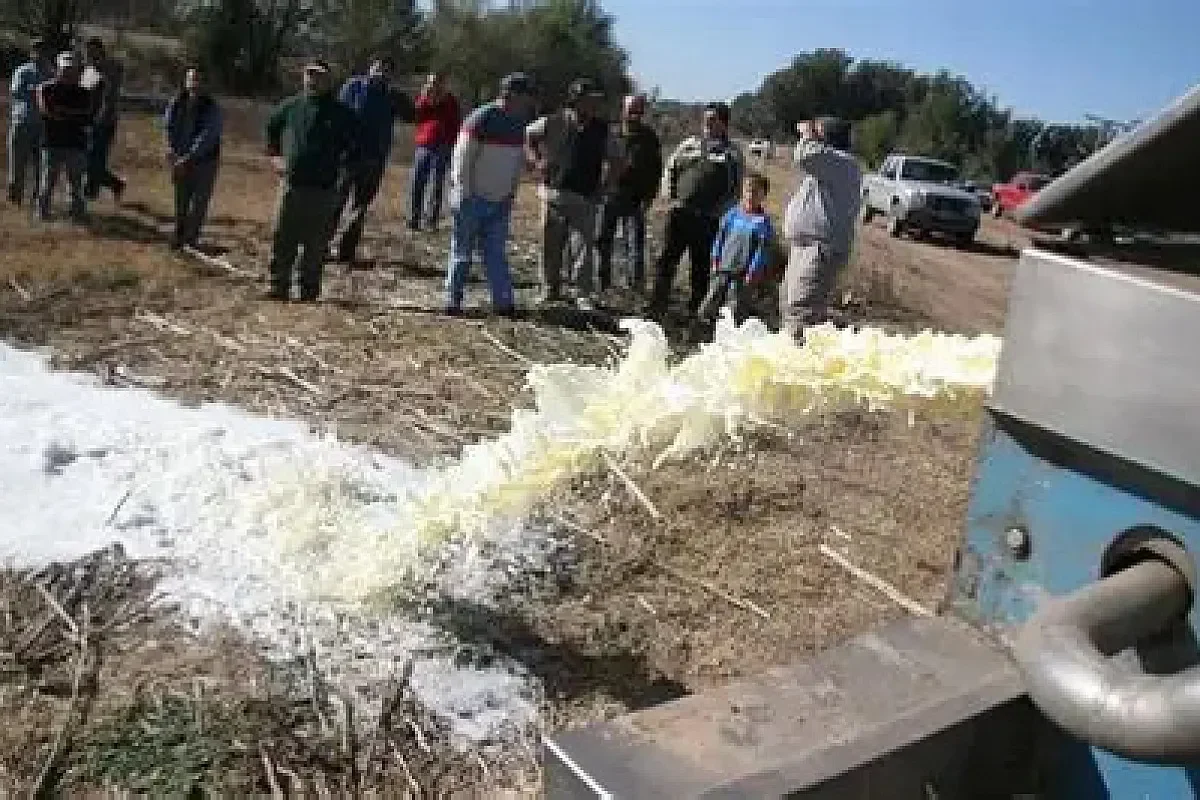
The Panama earthquake damage from the magnitude 7.5 tremor that struck Tonosí on October 9 has halted rural economic activity across Los Santos province, with dairy farmers reporting 35,000 liters of milk lost over three consecutive days and a major shrimp operation forced to shut down entirely. Power outages and collapsed access roads have cut off dozens of farms, leaving producers unable to reach livestock or transport goods to market.
Armando Cedeño, representing the National Cattlemen’s Association (Anagan) in Los Santos, confirmed the milk losses stemmed from a lack of refrigeration and road damage caused by sinkholes in the vados that provide farm access. Meat transport to slaughterhouses also faced significant delays, while some farms remain completely isolated by landslides.
Panama Earthquake Damage Hits Aquaculture and Jobs
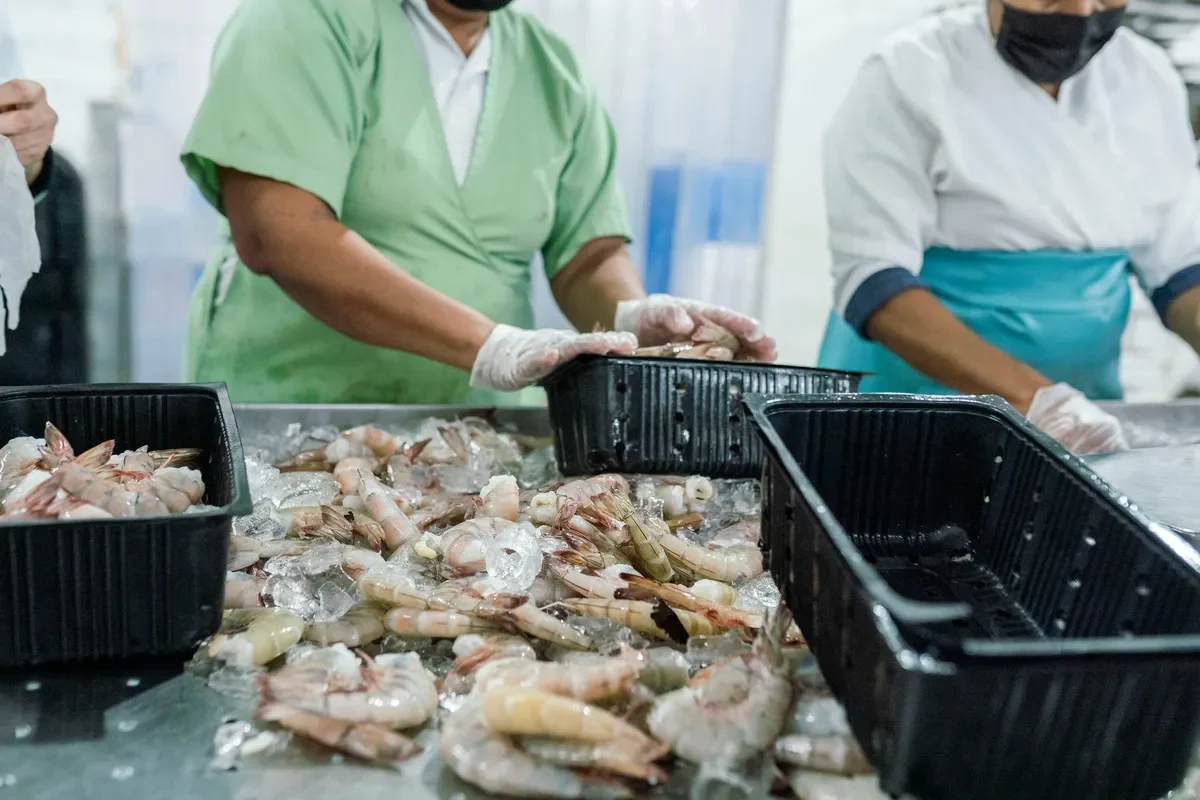
The shrimp industry suffered equally severe setbacks. Samuel Campos, a shrimp producer, reported that Cultivo de Tonosí, a company generating between 80 and 100 direct jobs, is now completely out of operation. The facility included an internal processing plant, all of which sustained structural destruction.
Campos detailed that the earthquake destroyed entrance offices, the processing plant, containment walls, and the cultivation farm itself. The system’s floodgates also broke apart. He emphasized that recovery will require financial assistance from state and private banks, as well as direct support from the central government.
Housing Emergency Deepens in El Bebedero
Beyond economic losses, the Panama earthquake damage has triggered a housing crisis in the corregimiento of El Bebedero. Roberto Navarro, the local representative, said preliminary assessments show nearly 80 percent of homes evaluated in the community of La Corosita suffered structural damage severe enough to force evacuation.
Navarro called for a contingency plan to relocate displaced residents, noting that most affected families lack the resources or alternative places to live. He acknowledged the executive branch’s allocation of $10,000 for emergency response but stressed that the amount falls far short of what the destruction requires.
Water Sources and Livestock Remain Unaccounted For
Cedeño also urged the national government to urgently inspect rivers in the Tonosí and Guánico areas. Landslides have created natural dams with water retention, raising concerns about potential flooding or contamination of critical water sources used by both livestock and communities.
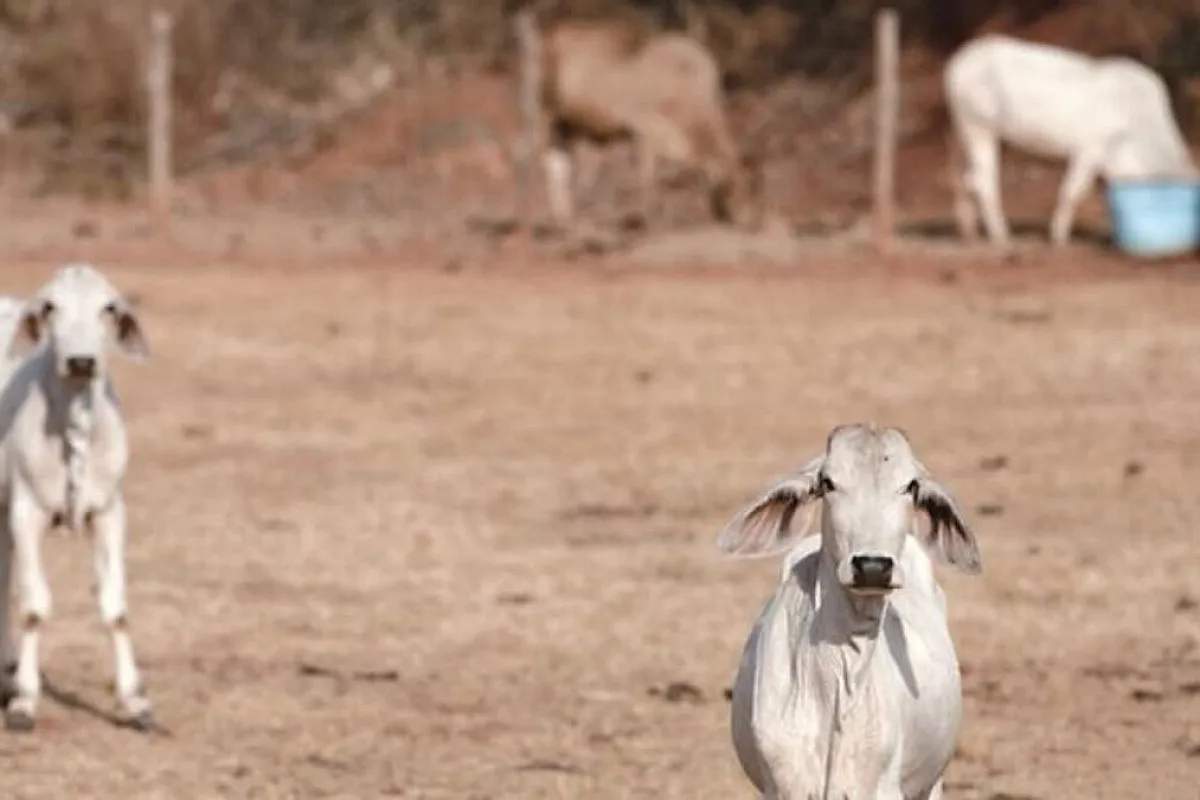
The full scope of animal losses remains unknown. Cattle farmers cannot access several properties blocked by debris, leaving questions about how many animals may be buried under earth slides. The combination of infrastructure failure, economic paralysis, and unresolved housing needs points to a recovery timeline that local producers say will stretch far beyond immediate emergency relief.