


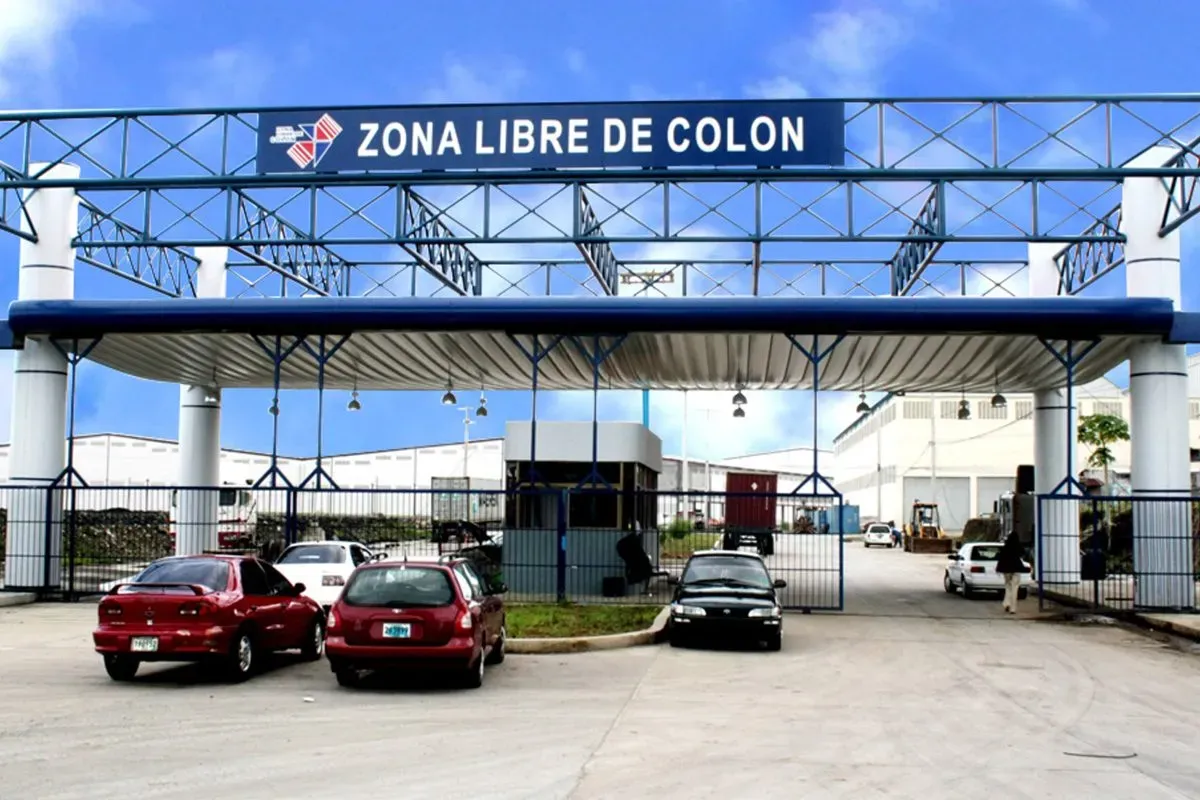
Panama trade growth accelerated sharply through July 2026, with the Colón Free Zone recording a 26.5 percent cumulative increase in reexports compared to the same period last year. The figures come from the Economic Situation Report prepared by the Ministry of Economy and Finance‘s Directorate of Public Policies and Socioeconomic Analysis.
Monthly reexports have exceeded B/.1,000 million since March, with July alone posting a 35.9 percent year-over-year jump. The ministry attributed the surge to stronger demand across regional markets and a broader reactivation of intraregional commercial flows.
Reexportaciones de la Zona Libre de Colón crecen 26.5% a julio de 2026 https://t.co/o8Ik9haCLl
— Economía Panamá (@ECPnews_) October 16, 2026
Regional Markets Driving Panama Trade Growth
Venezuela led all destination markets with an additional B/.256.2 million in reexports during the first seven months of 2026. Costa Rica followed with B/.204.7 million, while the United States contributed B/.167.9 million in new activity.
Other significant markets included El Salvador at B/.105.3 million, Honduras at B/.102.2 million, Guatemala at B/.98.8 million, Ecuador at B/.97.6 million, and Nicaragua at B/.96.4 million. The distribution across eight distinct markets signals diversified demand rather than reliance on any single economy.
The report drew on data from the National Institute of Statistics and Census and the Superintendency of Banks of Panama, covering both external trade flows and domestic consumption indicators.

Panama Reexports by Destination Market, Jan–Jul 2026
Values represent additional reexport activity in millions of Panamanian balboas (B/.) during the first seven months of 2026. The distribution across eight distinct markets signals diversified demand rather than reliance on any single economy.
Source: National Institute of Statistics and Census & Superintendency of Banks of Panama
Product Categories Fueling Export Expansion
Electrical machinery and equipment posted the largest absolute gain, rising B/.467.3 million or 52.9 percent, driven primarily by computer equipment and printer shipments. Pharmaceutical products added B/.365.4 million in reexport value.
Clothing contributed B/.246.3 million, while perfumes and cosmetics added B/.167.2 million. Footwear generated B/.130.2 million in additional activity, and beverages and liquors accounted for B/.104.8 million. The breadth of categories reflects a recovery extending beyond any single product segment.

Domestic Consumption and Credit Expansion
New vehicle sales reached 36,452 units through July, a 9.7 percent increase over the prior year. SUV segments added 1,486 units, sedans contributed 1,275 additional sales, and pickups grew by 559 units. Auto loan balances expanded 10.9 percent during the period, indicating greater financing availability for households.
Consumer goods imports climbed 21.6 percent in value and 16.0 percent in volume. Fuel and lubricant imports surged 53.3 percent, while household utensils rose 14.0 percent. Semi-durable goods increased 3.8 percent and non-durable goods edged up 1.4 percent.
Domestic fuel dispatches grew 13.1 percent cumulatively, with higher volumes recorded for 91 and 95 octane gasoline, diesel, liquefied petroleum gas, jet fuel, kerosene, asphalt, lubricants, and coal. The report characterized these movements as consistent with broader economic activity and household consumption patterns.
Colón Free Zone’s Strategic Role
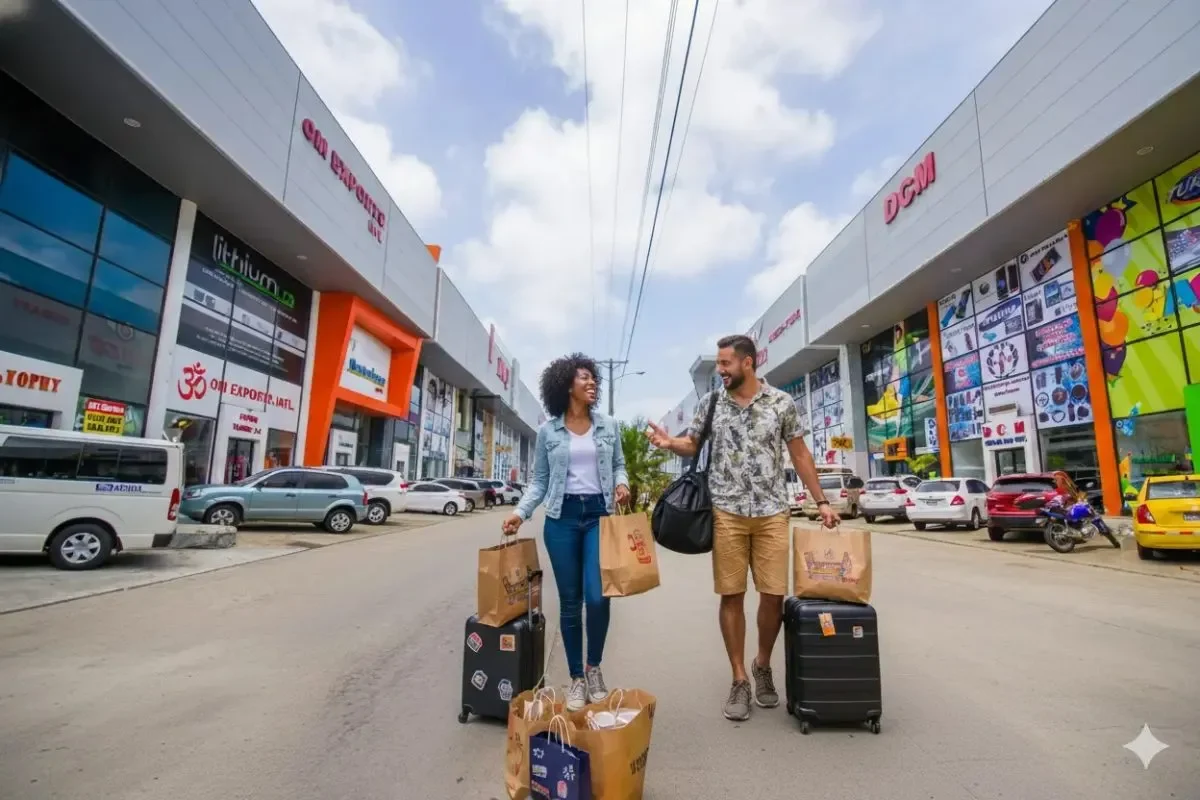
The Colón Free Zone functions as a distribution and redistribution hub for Latin America and the Caribbean. Its performance through July underscores the zone’s continued relevance in regional supply chains despite periodic disruptions to global trade in recent years.
Panama’s commercial trajectory through the first seven months of 2026 reflects simultaneous strength in external reexport channels and internal demand. The dual momentum suggests the country’s trade ecosystem is expanding on multiple fronts rather than relying on a single driver of growth.