


A new statistical report shows a 6.1 percent decline in criminal activity across Bocas del Toro, yet officials are urging heightened vigilance in two key districts where drug and weapons seizures remain concentrated. The Bocas del Toro security assessment, presented Wednesday by the Integrated Criminal Statistics System, highlights a troubling contrast between overall progress and persistent localized threats.
Aracelis Camacho, director of Criminal Statistics, confirmed the reduction during a briefing on provincial crime data. But she issued a direct warning about Changuinola and Almirante, where gang presence and contraband interdictions continue to outpace the rest of the province.

Bocas del Toro Security Hotspots Identified
Camacho stated that law enforcement must maintain focused attention on those two areas. The districts account for the largest volume of drug and firearm confiscations in the province. Some gangs are actively operating within Bocas del Toro territory, she said.
“It is important to point out that they do have to be very careful and pay a lot of attention in the areas of Changuinola and Almirante, which is where the largest number of drug and weapons seizures are concentrated and also some gangs are circulating within the province” [Translated from Spanish]
The warning comes despite the overall downward trend. Provincial authorities now face the challenge of sustaining reductions while disrupting criminal networks that have established footholds in these coastal and border-adjacent communities.

National Gang Recruitment Crisis Emerges
Beyond provincial figures, the same briefing revealed a deeply concerning national pattern. Gangs across Panama are recruiting children as young as nine years old. Officials expressed alarm over the increasing involvement of minors in organized criminal groups.
This recruitment trend underscores a systemic vulnerability that extends well beyond Bocas del Toro. It complicates prevention efforts and raises questions about long-term intervention strategies for at-risk youth. The data suggests that while some provinces see measurable improvement, the underlying structures driving gang membership continue to evolve and adapt.
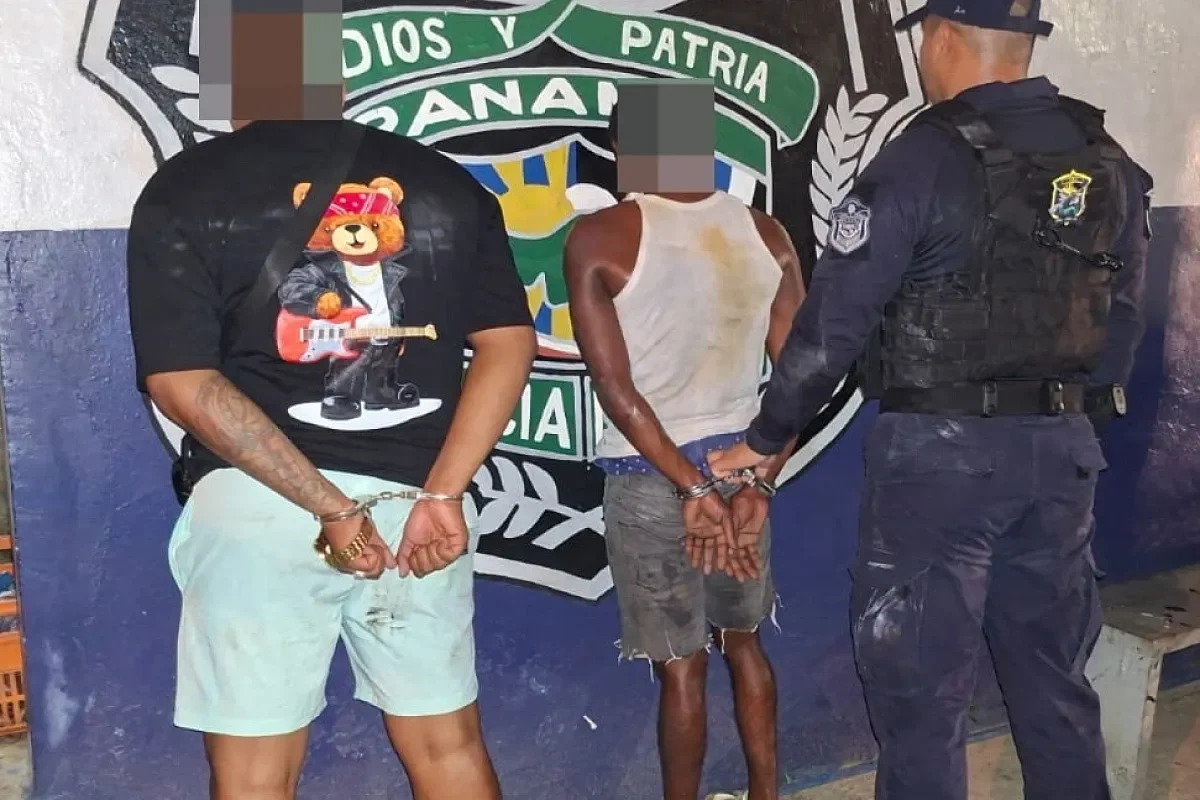
A través de la "Operación Bocas del Toro sin drogas" realizada en Changuinola y Almirante, fueron aprehendidas seis personas y se decomisaron 124 dosis de presuntas sustancias ilícitas, entre ellas, 25 de marihuana y 99 de crack. Se incautó un vehículo, B/.171.50 en efectivo y equipos tecnológicos. @policiadepanama
— Telemetro Reporta (@TReporta) October 23, 2026
Regional Crime Rankings and Comparative Context
The report also reaffirmed that Panama Province, Panama Oeste, and Colón remain the jurisdictions with the highest overall crime rates. These urban and transit-heavy regions continue to dominate national statistics, even as smaller provinces like Bocas del Toro register declines.
The contrast illustrates a fragmented security landscape. Rural and semi-rural provinces can achieve significant reductions through targeted operations, yet the concentration of crime in metropolitan corridors persists. For Bocas del Toro, the 6.1 percent improvement offers a measurable benchmark, but officials stress that localized gang activity could reverse gains without sustained intervention in Changuinola and Almirante.