


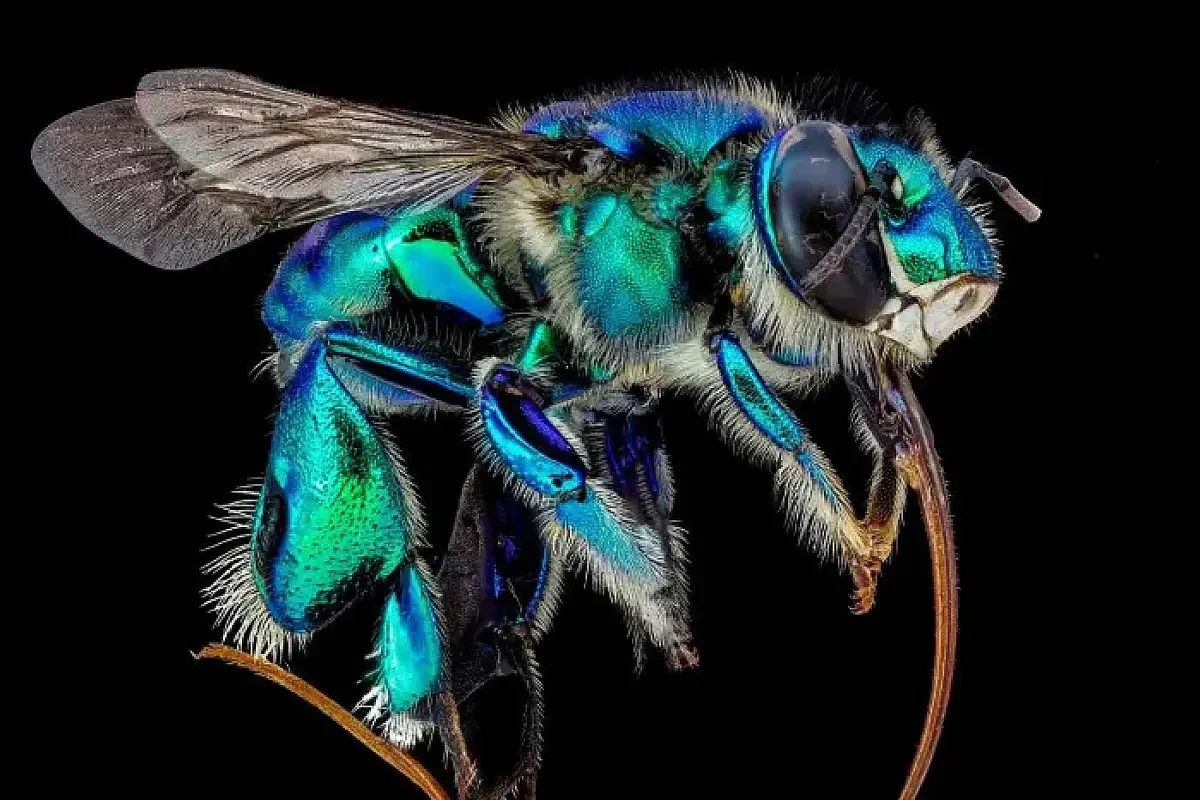
Scientists in Panama have detected DNA from a harmful microorganism known as Nosema ceranae in wild orchid bees, marking the first documented case of this bee parasite threat in the species Euglossa imperialis. The discovery raises new questions about how pathogens move between managed honeybee colonies and native pollinators in tropical forests.
The findings come from a study published in the scientific journal Environmental Entomology, which analyzed 82 male orchid bees collected from two locations in Panama. Researchers found genetic material compatible with Nosema ceranae, a parasite primarily known for infecting honeybees, in the digestive tracts of the wild bees.

Detection Rates Vary Across Panama Locations
Researchers collected specimens from Parque Nacional Camino de Cruces and Ciudad del Saber, two sites with distinct environmental profiles. The results revealed significant differences between the locations. At Camino de Cruces, 34 of 44 bees tested positive for the parasite’s DNA, representing 77.3 percent of the sample. At Ciudad del Saber, only 12 of 38 bees showed positive results, or 31.6 percent.
The team, which included Gaspar Bruner-Montero from the COIBA-AIP Scientific Station and member of Panama’s National Research System, used polymerase chain reaction (PCR) testing to identify the genetic material. The statistical difference between sites was notable, though researchers could not determine which environmental factors drove the variation. No significant differences appeared between dry and rainy seasons.
Científicos detectan por primera vez ADN de un parásito en una abeja silvestre de Panamá https://t.co/VGSqctUFp0
— Metro Libre (@MetroLibrePTY) October 26, 2026
Unanswered Questions About Infection Risk
Despite the detection, scientists cannot yet confirm whether Nosema ceranae can reproduce inside Euglossa imperialis or whether it poses an actual health risk to these wild pollinators. The DNA could have arrived in the bees’ digestive systems through contact with contaminated flowers or other shared resources, without establishing a true infection.
Confirming an active infection would require additional work, including microscopic observations, complementary molecular testing, and controlled experiments. The study also did not perform sequencing to verify the PCR products, a step researchers acknowledge as necessary for future confirmation.
Orchid bees, belonging to the Euglossini group, display metallic green and blue tones and play a vital role in pollinating tropical plants, including numerous orchid species. Male bees collect aromatic compounds from flowers for reproductive behavior, potentially exposing them to microorganisms present on shared floral resources.
Broader Implications for Tropical Pollinators
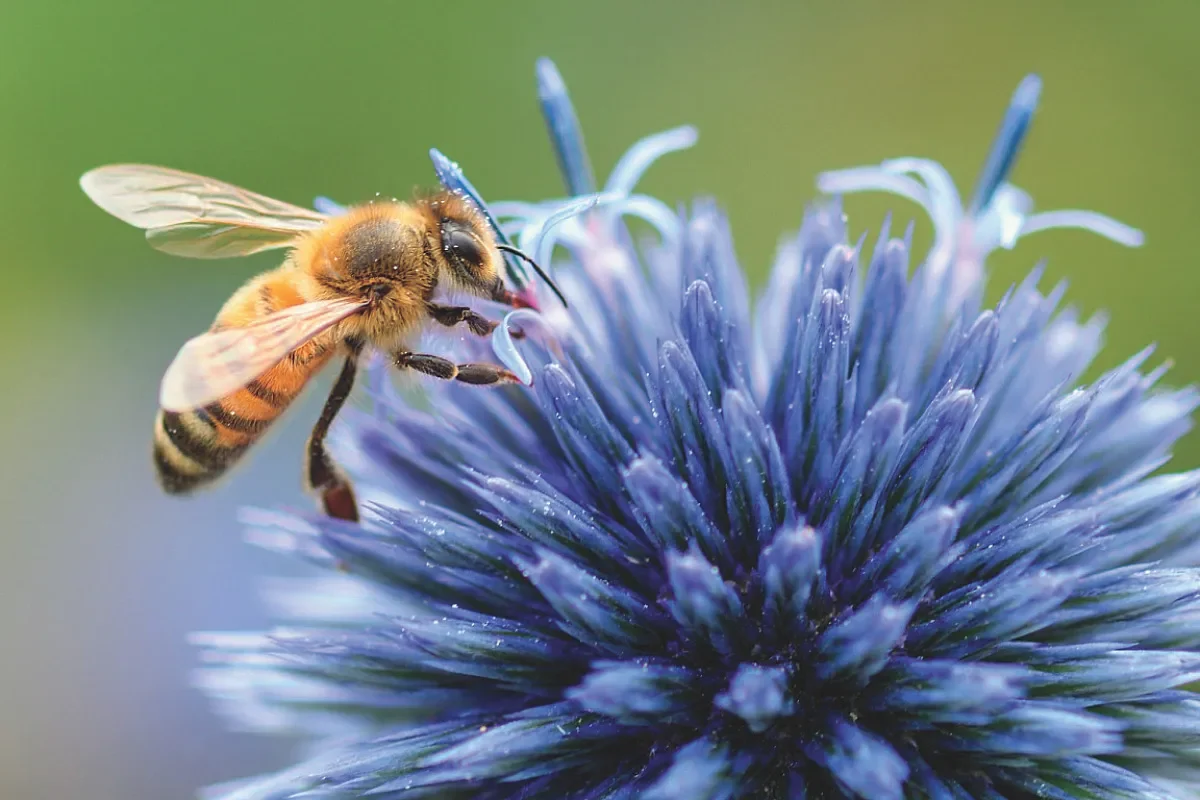
The research team also reviewed existing literature on Nosema associations across various Hymenoptera species, including bees and wasps. One hypothesis for future investigation suggests that flowers shared between wild bees and managed honeybees could serve as contact points where microorganisms transfer between species.
The study contributes molecular evidence of an association never before documented in this species. While it does not prove a new disease exists in wild bees, it establishes a foundation for investigating how pathogens spread through tropical pollinator communities. Understanding these interactions grows increasingly important as bee populations face multiple pressures worldwide, from habitat loss to disease transmission from managed colonies.