


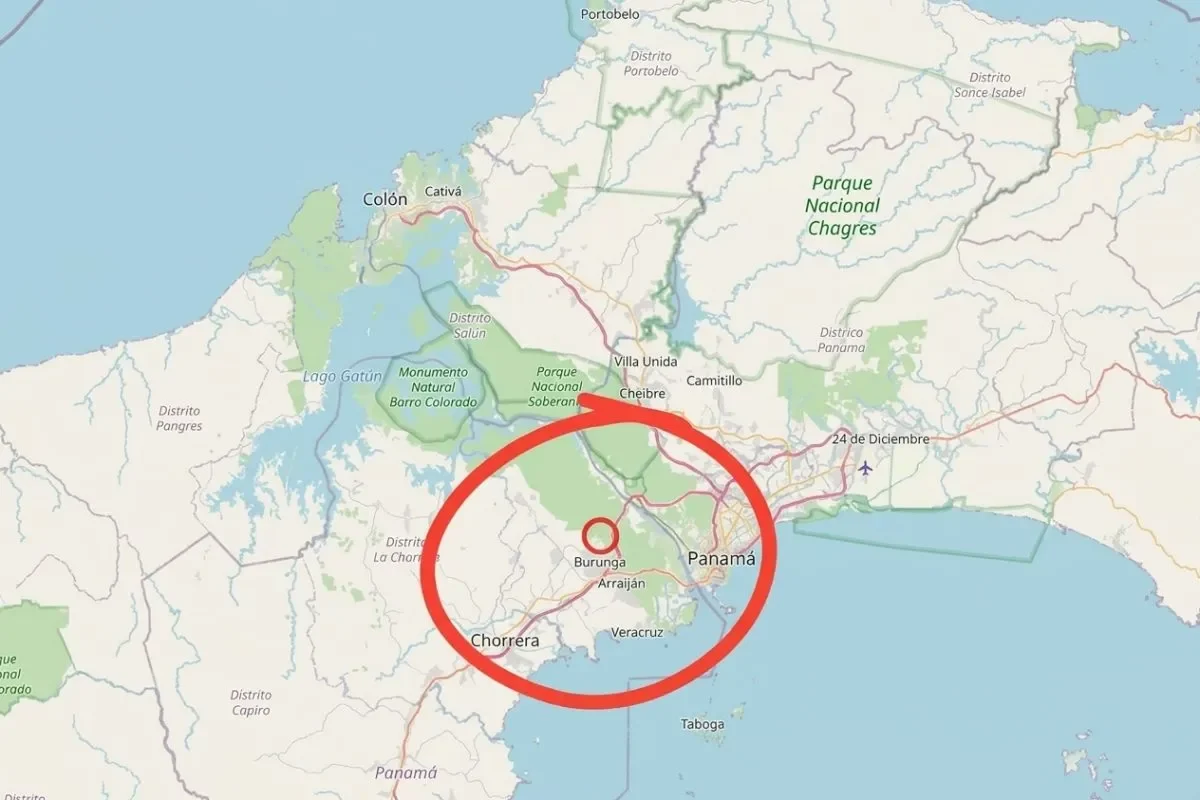
A magnitude 3.9 earthquake rattled Arraiján in Panamá Oeste province at 5:38 p.m. on November 4, prompting the Panama Metro to evacuate stations and trains as a precautionary measure. The Institute of Geosciences at the University of Panama confirmed the Arraiján seismic activity originated 5 kilometers underground, with an epicenter located 4 kilometers northwest of the district.
Residents across Panama City and several other points in the country reported feeling a brief but intense shaking. Some described hearing a noise similar to an explosion moments before the ground moved, while parades for Panama’s patriotic holidays were wrapping up along several routes.
El Instituto de Geociencias de la Universidad de Panamá, Reporta el siguiente evento: Estado: PRELIMINAR Fecha: 2026-11-04 Hora: 5:38:15PM hora local Magnitud: 3.9 Profundidad: 5km Localizado en Panamá a 4km al noroeste de Arraiján https://t.co/oB7J7Wj5zo
— IGCPanamaUP (@igcpanamaup) November 4, 2026
Pedro Miguel Fault Identified as Quake Source
Néstor Luque, director of the Institute of Geosciences, attributed the tremor directly to movement along the Pedro Miguel fault. The fault system runs through the Panama Canal watershed and has been associated with moderate seismic events in the region for decades.
“This event, due to its location, is to a movement of the Pedro Miguel fault” [Translated from Spanish]
The shallow depth of 5 kilometers explains why the shaking felt disproportionately strong relative to the magnitude. Shallow quakes concentrate energy closer to the surface, often producing sharp jolts and audible rumbling that residents compare to explosions.
Community Reports and Safety Protocols
Social media posts captured immediate reactions from residents across western Panama. A woman from the Corotú neighborhood near Vacamonte said the roof of her home sounded like it was being torn off. Another resident in Montelimar, La Chorrera, described the event as a “strong jolt” [Translated from Spanish].
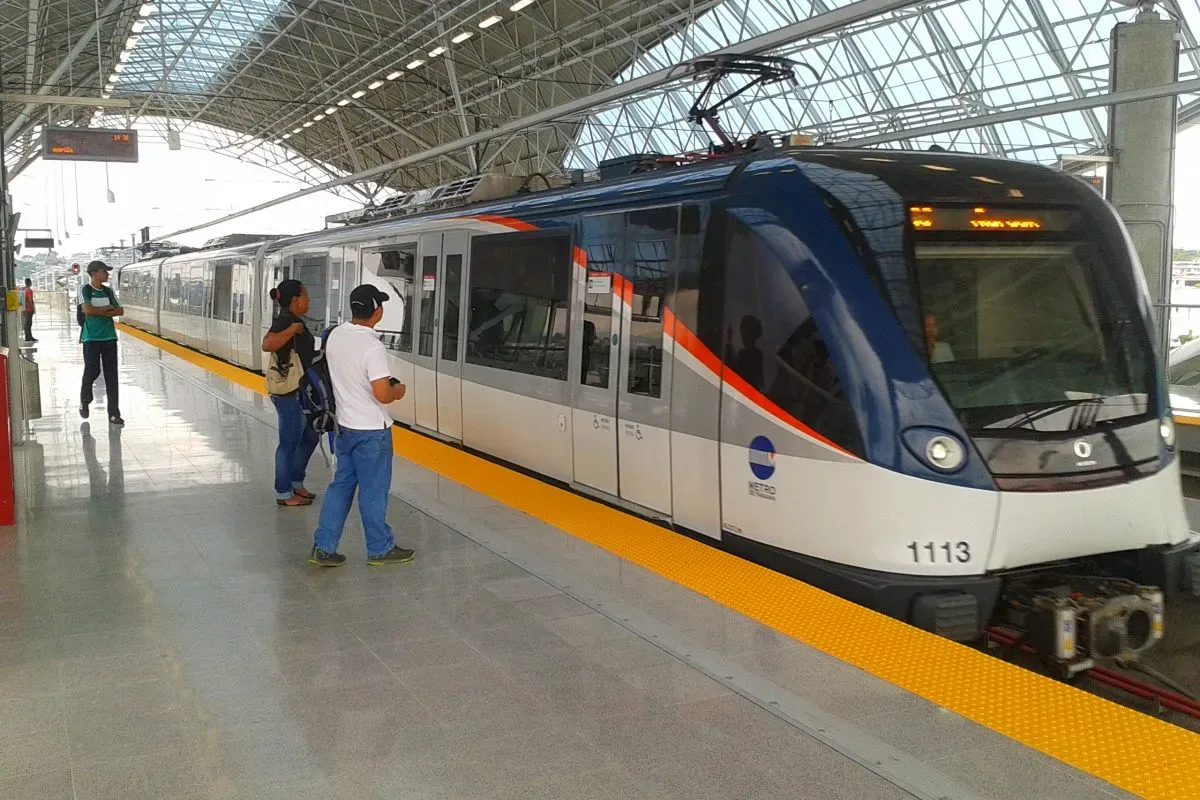
The Panama Metro suspended service temporarily and evacuated passengers from trains and platforms as part of standard earthquake safety procedures. Officials reported no damage to infrastructure or injuries. The system resumed operations after inspections found no structural concerns.
Seismic Context for Panama’s Western Corridor
The Arraiján seismic activity falls within a pattern of moderate earthquakes tied to local fault lines rather than the larger subduction zone off Panama’s Pacific coast. The Pedro Miguel fault, along with the Limón and Miraflores faults, forms part of a network that accommodates crustal stress near the Panama Canal.
The Institute of Geosciences continues monitoring the area for aftershocks, though no significant follow-up events have been reported. Seismologists note that quakes below magnitude 4.0 rarely cause structural damage but serve as reminders of the active geology underlying Panama’s most densely populated corridor.