


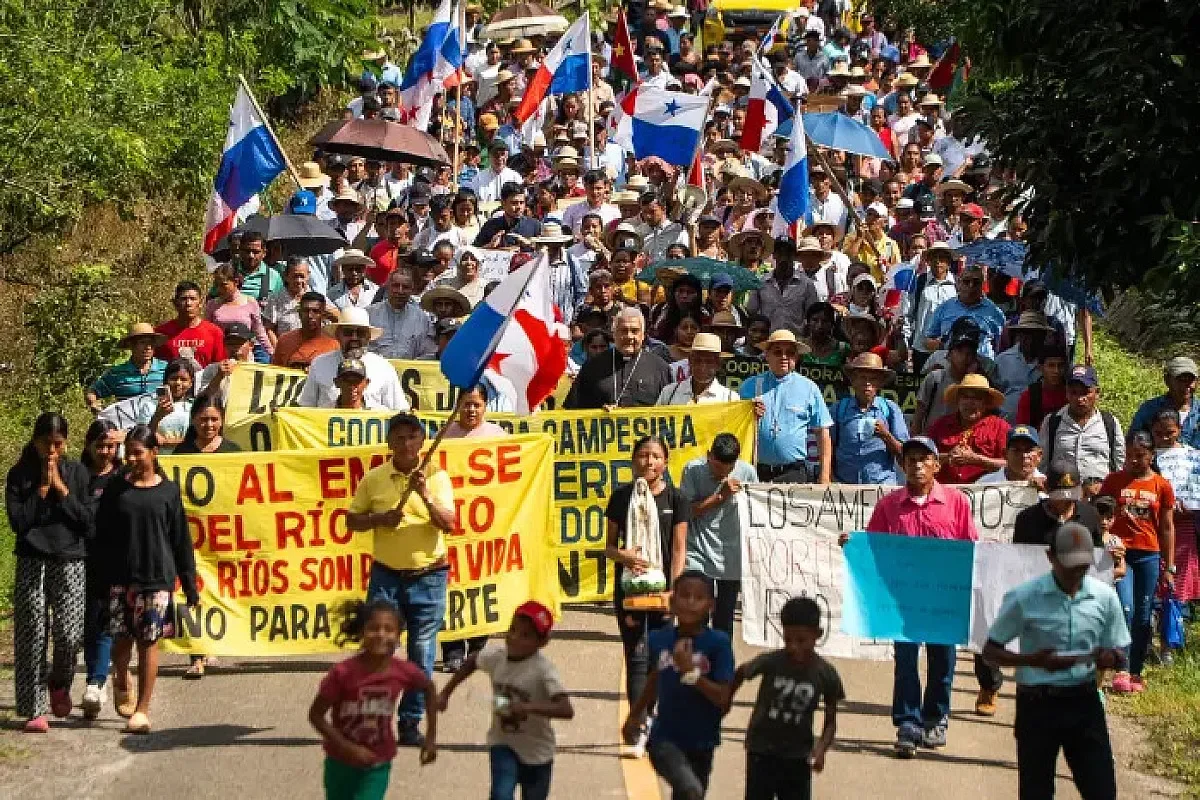
Approximately 1,000 rural residents from Río Indio gathered Friday, November 6 in Limón Chagres to voice reservoir project concerns directly to bishops from Panama’s Episcopal Conference. The meeting centered on a proposed reservoir backed by the Panama Canal Authority that communities fear could displace families and destroy agricultural livelihoods.
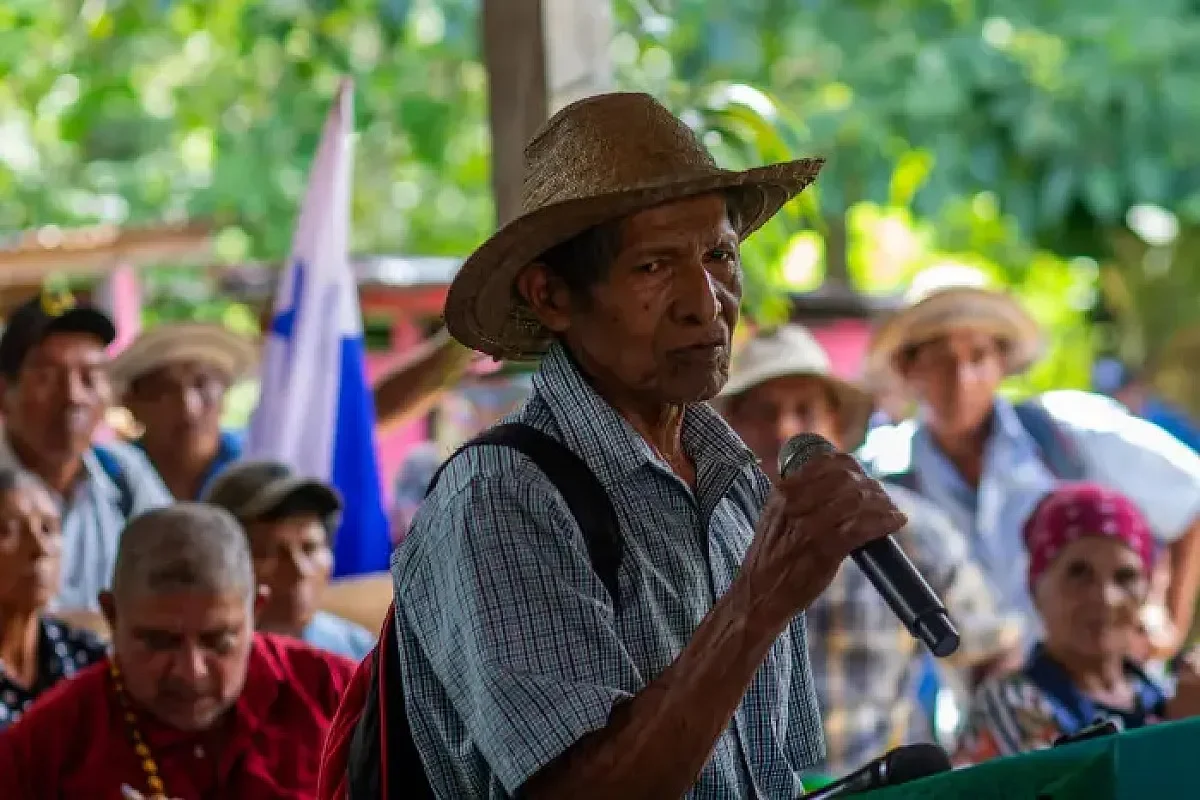
Twenty community representatives formally presented their grievances during a eucharistic celebration at Cristo de Equipulas church. The gathering marked one of the largest organized expressions of opposition to the water infrastructure plan to date.
Reservoir Project Concerns and Community Impact
Residents warned that construction of the reservoir could trigger loss of productive farmland, water sources, and subsistence livelihoods. Displacement of families, environmental damage, and the rupture of social and cultural bonds built over generations were among the specific risks cited by community spokespeople.
Attendees also criticized what they described as insufficient spaces to present their arguments to authorities. Fabián Castillo, a farmer recently prosecuted in a nationally watched case, attended the gathering and reiterated his commitment to defending the river, local crops, and regional families.
El arzobispo de Panamá, José Domingo Ulloa, y el obispo Manuel Ochogavía visitaron Limón en Costa Abajo de Colón para acompañar a los campesinos de Río Indio. #Embalce #Iglesia https://t.co/OusY8Gzyll
— PanamáAmérica (@PanamaAmerica) November 7, 2026
Catholic Church Response and Human Dignity
Panamanian bishops expressed support for defending human dignity, stating that no development project should override fundamental rights or community ways of life. Monsignor Manuel Ochogavía, bishop of Colón-Kuna Yala, emphasized residents’ right to preserve their history, culture, and identity.
“No development project should pass over the fundamental rights nor the ways of life of communities” [Translated from Spanish]
The bishop reaffirmed the Church’s commitment to vulnerable communities and the preferential option for the poor promoted by Pope Leo XIV. The gathering began with a procession featuring songs, banners, and Panamanian flags, carrying a message of protecting the “Common Home” inspired by Pope Francis’s environmental teachings.
El arzobispo de Panamá, José Domingo Ulloa, y el obispo Manuel Ochogavía visitaron Limón en Costa Abajo de Colón para acompañar a los campesinos de Río Indio. #Embalce #Iglesia https://t.co/OusY8Gzyll
— PanamáAmérica (@PanamaAmerica) November 7, 2026
National Solidarity and Next Steps
The meeting concluded with a call for national solidarity and protection of life, territory, and natural resources. Community members framed their opposition around environmental stewardship and intergenerational responsibility rather than outright rejection of infrastructure development.
The Panama Canal Authority has identified the Río Indio basin as a critical water source for canal operations amid recurring drought conditions. But affected communities argue that water security for global trade cannot come at the cost of local displacement and ecological degradation. The bishops’ involvement signals growing institutional attention to the dispute as both sides await formal next steps from government authorities.