


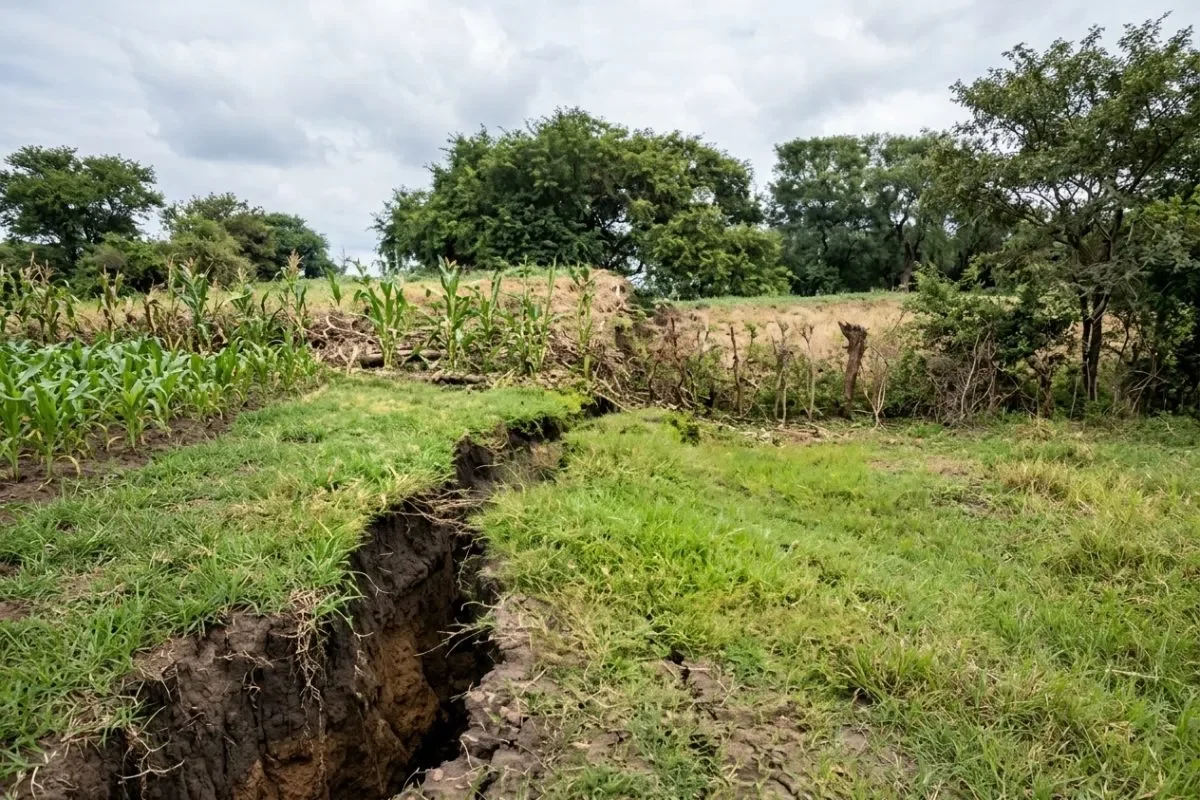
The state-run agricultural insurance Panama program reached $69.3 million in consolidated coverage by September 2026, even as officials scramble to secure a private international reinsurer following unprecedented earthquake damage to rice fields in Tonosí. Ana Giselle Rosas, general manager of the Agricultural Insurance Institute (ISA), confirmed the figures during an interview after inspecting affected areas in Los Santos province.
The 7.5 magnitude earthquake on October 9 exposed critical vulnerabilities in the state-backed insurance model. In Isla Cañas, the quake destroyed a natural breakwater barrier, allowing seawater to flood inland and contaminate roughly 60 hectares of rice crops with salt. Additional high tides and storm surges threaten total crop loss in the affected zones.
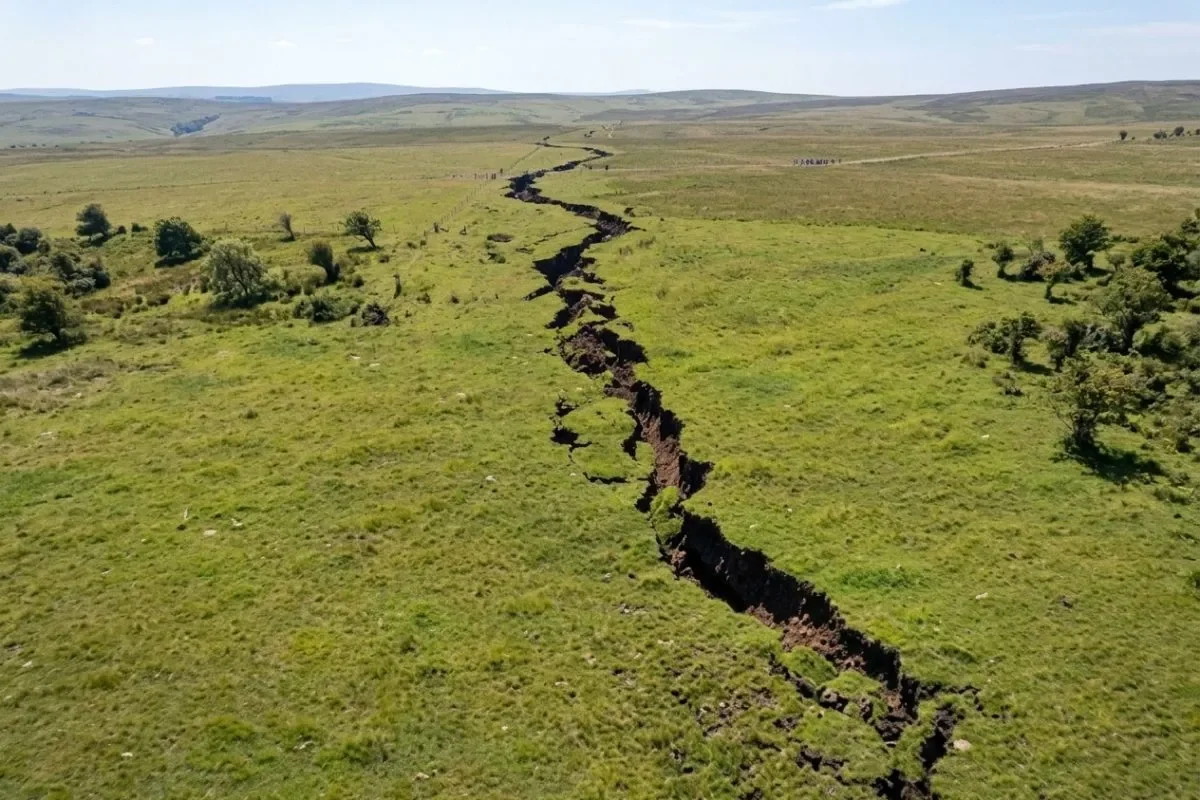
Earthquake Damage Forces Agricultural Insurance Panama Overhaul
The ISA’s financial structure relies on the Panamanian government as its sole reinsurer, a model Rosas says must change. “Currently our reinsurer is the State, because the law establishes that the State will be jointly responsible for ISA’s commitments. But if we talk about financial management, we should have another type of company as our reinsurer,” Rosas said [Translated from Spanish].
Regulatory pressure has mounted after meetings with Panama’s Superintendency of Insurance and Reinsurance. The administration now faces requirements to adopt International Financial Reporting Standards (IFRS) and establish dedicated audit and compliance departments. These reforms come as the institution grapples with claims from an event no one anticipated.
“In this earthquake issue, as Panamanians, we never thought we would be subject to a catastrophic situation, but we must be proactive in these moments, not wait for the producer to request a visit,” Rosas said [Translated from Spanish].
Shifting Strategy Drives Growth Despite Credit Contraction
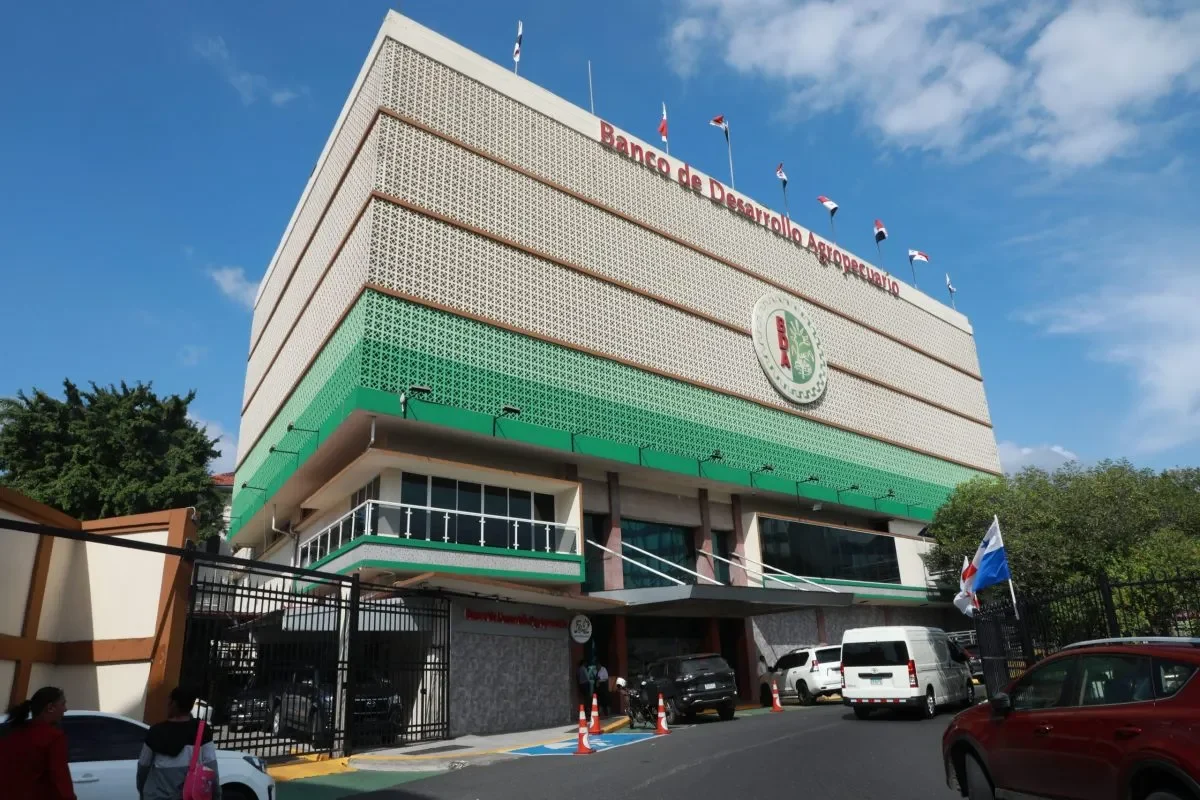
The growth in insured values occurred against a difficult backdrop. The restructuring of the Agricultural Development Bank (BDA) into a development institute reduced its loan portfolio significantly, cutting the volume of policies tied mandatorily to its credit products. ISA compensated by targeting self-financed producers who invest their own capital without bank loans.
Climate variability accelerated voluntary policy adoption. Extended droughts and high temperatures in the Arco Seco region, combined with excessive rainfall in Bocas del Toro, heightened risk perception among farmers. The agricultural and forestry portfolio emerged as the institution’s primary engine, generating $3.3 million in issued premiums through September.
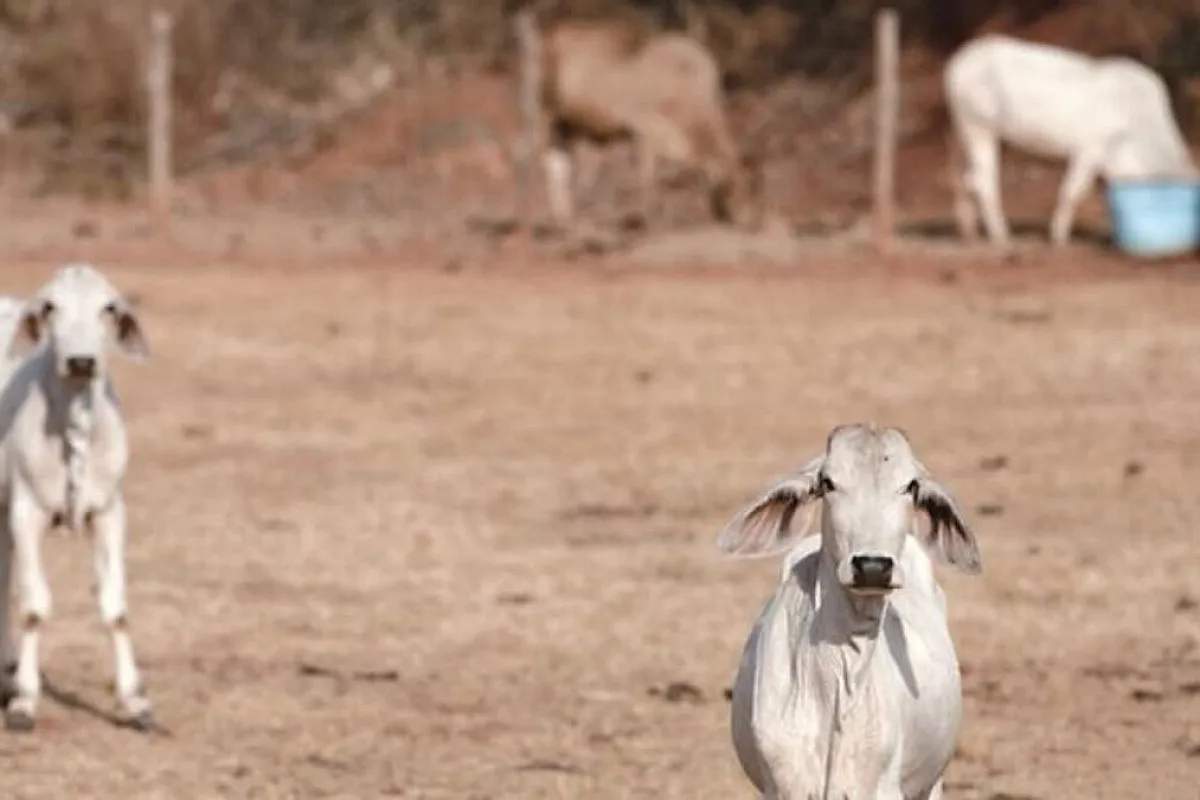
Los Santos leads agricultural coverage with $14.9 million in insured sums across 347 policies, followed by Panama East with $10.7 million and Chiriquí with $6.2 million. The livestock portfolio recorded $838,972 in premiums during the same period, with Veraguas, Chiriquí, and Los Santos dominating cattle activity.
Reinsurance Search and Governance Reform Timeline
ISA administrators now pursue a dual-track approach. The immediate priority involves damage assessment and claims processing for Tonosí rice producers facing salinity damage. The longer-term agenda centers on legislative and operational reforms to attract a private reinsurance partner capable of absorbing catastrophic risks.
The institution’s accounting practices require modernization to meet international standards before any private reinsurer will consider assuming portfolio risk. Creating internal audit and compliance functions represents the first step toward that goal. The earthquake’s timing, coming as ISA celebrated record coverage levels, underscores the financial exposure inherent in a single-state reinsurance model.
Rice production in the Tonosí Valley remains a critical component of Panama’s food security strategy. The saltwater intrusion affecting current crops could reduce harvest yields significantly if additional tidal surges overwhelm remaining natural barriers. ISA field teams continue monitoring affected parcels while producers evaluate replanting options for subsequent growing cycles.