


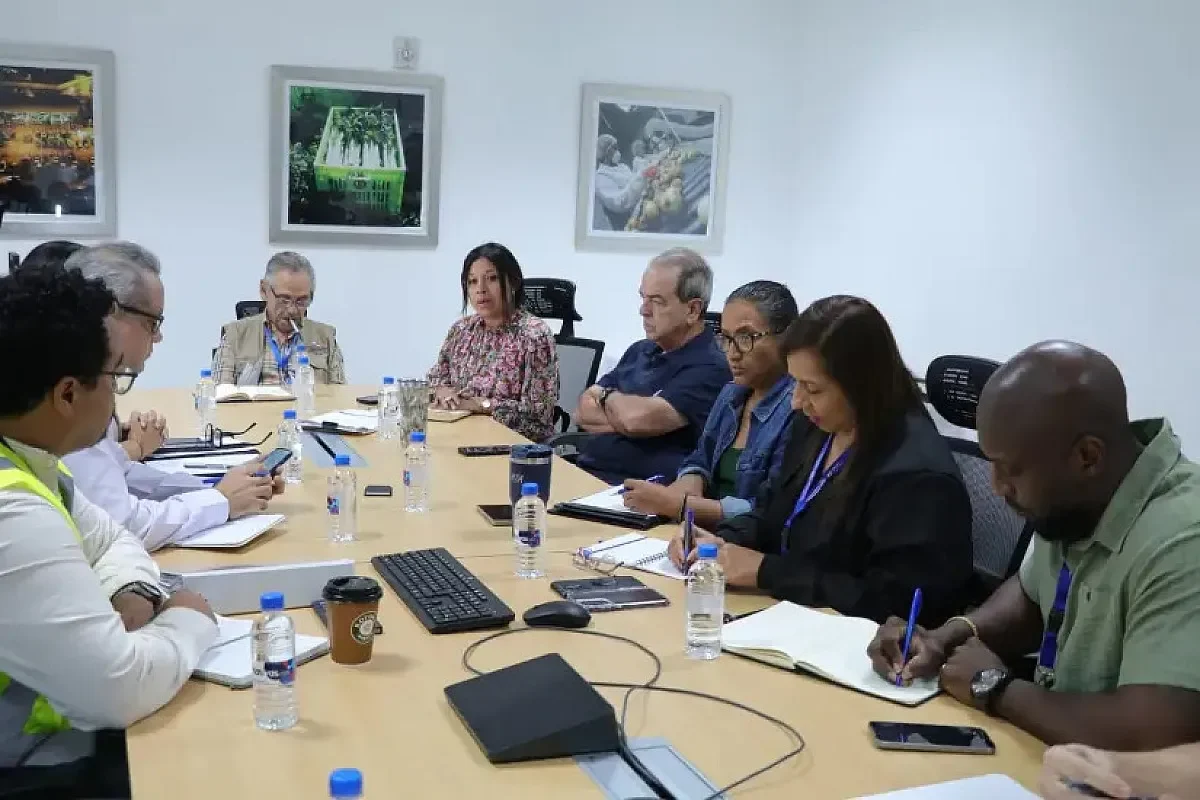
Panama’s Ministry of Health confirmed Monday that malaria infections Panama have surged to 124 at the Merca Panamá wholesale market, nearly quadrupling from 34 cases less than a month ago. Officials said 59 patients have completed treatment, 50 remain under medical care, and 15 have abandoned their medication regimens entirely.
The sharp increase comes just three days after authorities reported 99 positive cases on November 6. Health teams are now actively searching for workers who stopped taking their prescribed medication, coordinating with regional health facilities across the country to locate them.
Informal Workers Bear Brunt of Malaria Infections Panama Outbreak
Yelkys Gill, director general of Public Health at the Ministry of Health, said approximately 75 percent of those infected are informal workers at Merca Panamá, primarily cart operators who transport goods through the sprawling market complex.
These workers present a unique challenge for containment efforts because of their mobility patterns. Many stay at the market for two to three days at a time, often overnight, before returning to their home districts. This movement creates pathways for the mosquito-borne disease to spread beyond the market’s immediate perimeter.
Health authorities have shared patient information with multiple regional health installations to track down the 15 individuals who interrupted their treatment. The goal is to get them back on the full medication schedule required to clear the infection.
#LoÚltimo | El Ministerio de Salud (Minsa) confirma el aumento de 124 casos de malaria en los alrededores de MERCA Panamá, por lo que intensifica las acciones de vigilancia epidemiológica, con el objetivo de controlar el brote y evitar que se extienda hacia otras áreas urbanas. https://t.co/PDZMYXfQzL
— Destino Panamá (@destinopanama_) November 9, 2026
Multisectoral Cleanup and Access Controls Deployed
The Ministry of Health announced a coordinated intervention involving multiple government agencies, including the Ministry of Environment, the national water and sewer authority Idaan, the Municipality of Panama, the Ministry of Public Works, and the National Police. Teams will clean perimeter areas, clear drainage systems, and eliminate standing water where mosquitoes breed.
Officials acknowledged that fumigation alone cannot control the outbreak. Vector control teams have been working since 1:00 a.m. during peak mosquito activity hours, while a 24-hour health post remains active at the market.
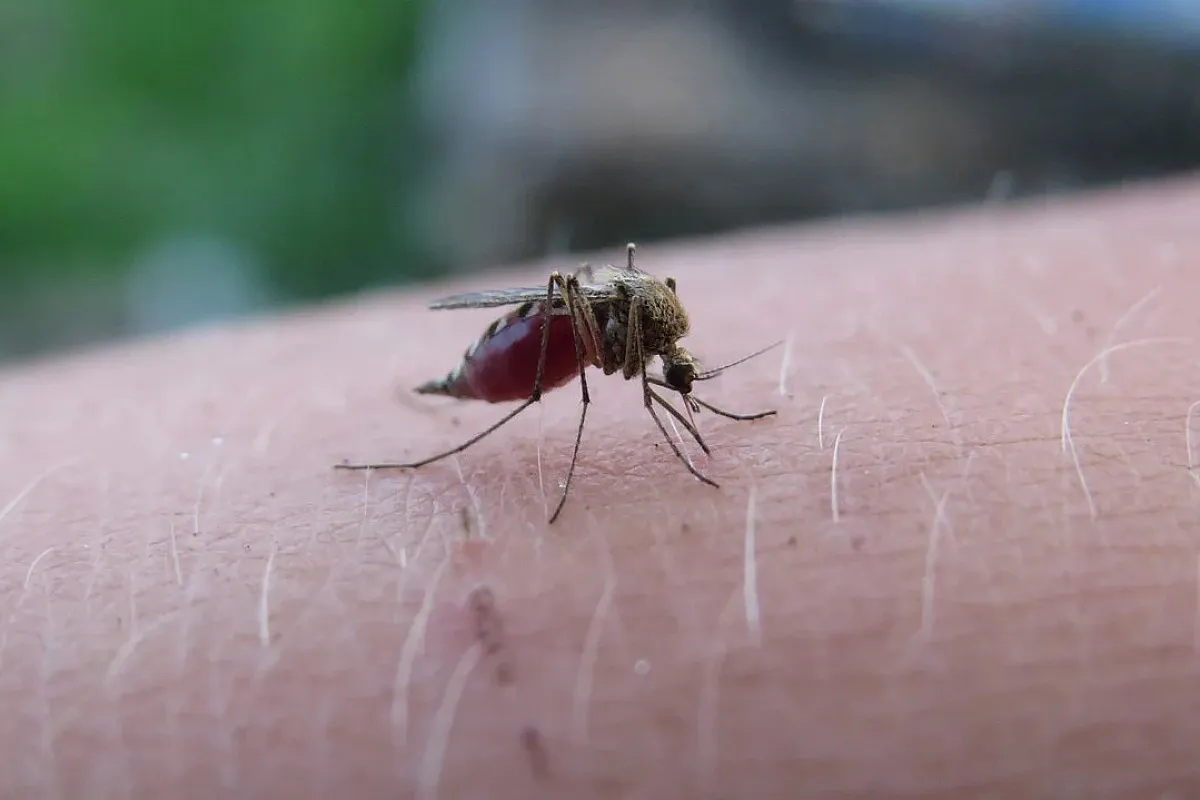
New access checkpoints will screen people entering Merca Panamá for fever symptoms, allowing immediate medical evaluation for anyone showing signs of infection. The ministry emphasized that malaria does not spread through direct person-to-person contact, food handling, or purchasing goods at the market. Transmission occurs only through the bite of an infected mosquito.
Symptoms and Prevention Guidance for Market Workers
Health officials urged anyone who has spent time near vegetated areas or been exposed to mosquitoes to seek medical attention if symptoms appear. Common indicators include fever, chills, headaches, and muscle aches.
Preventive measures recommended by the ministry include using insect repellent, wearing clothing that covers arms and legs at night, avoiding unprotected exposure in areas with dense vegetation, and eliminating water accumulation near living and working spaces.
Authorities stressed the importance of completing the full treatment course once diagnosed. Interrupted medication regimens allow the parasite to persist and can contribute to continued transmission within vulnerable communities. The ministry’s outreach efforts now focus on both locating patients who stopped treatment and preventing new infections through environmental controls at the market.