


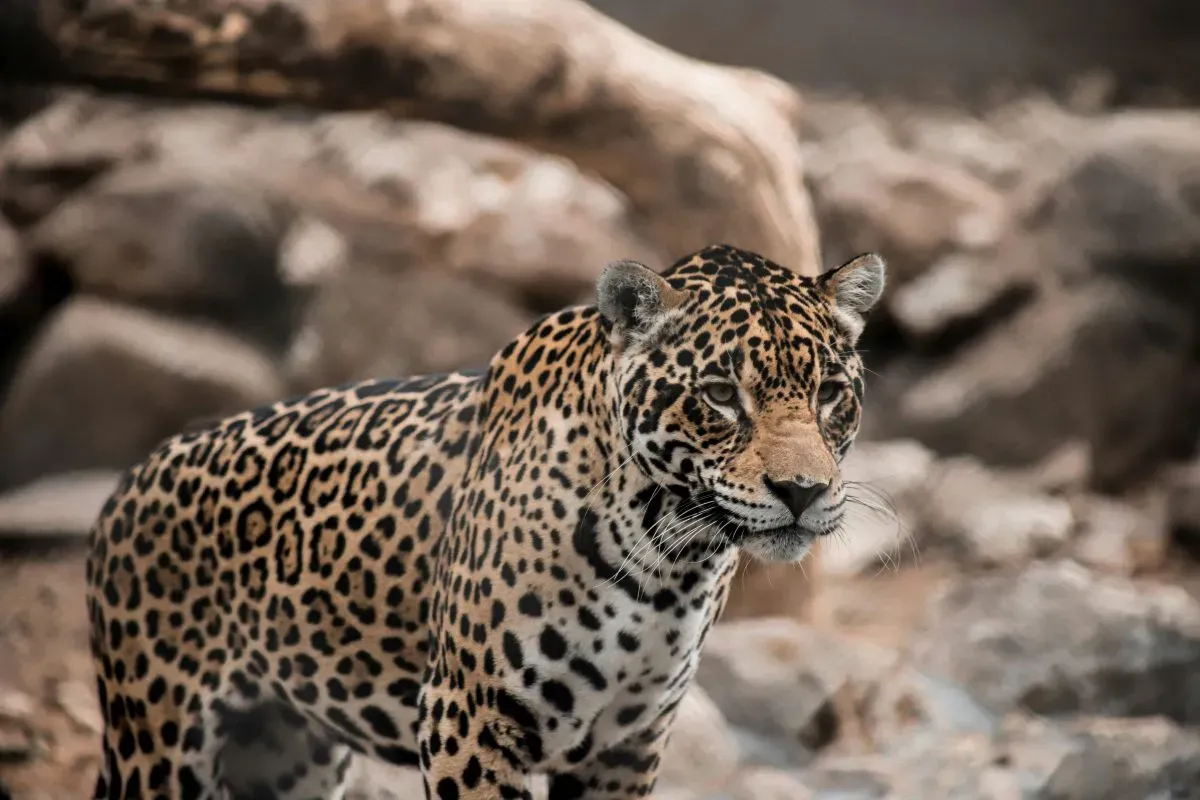
Panama’s national effort to count its jaguar population moved into a critical western corridor this week, as researchers began deploying camera traps in the General de División Omar Torrijos Herrera National Park in El Copé, Coclé. The second phase of the jaguar census Panama initiative will cover the country’s central-western region, stretching from the Panama Canal to the Chiriquí border with Costa Rica.
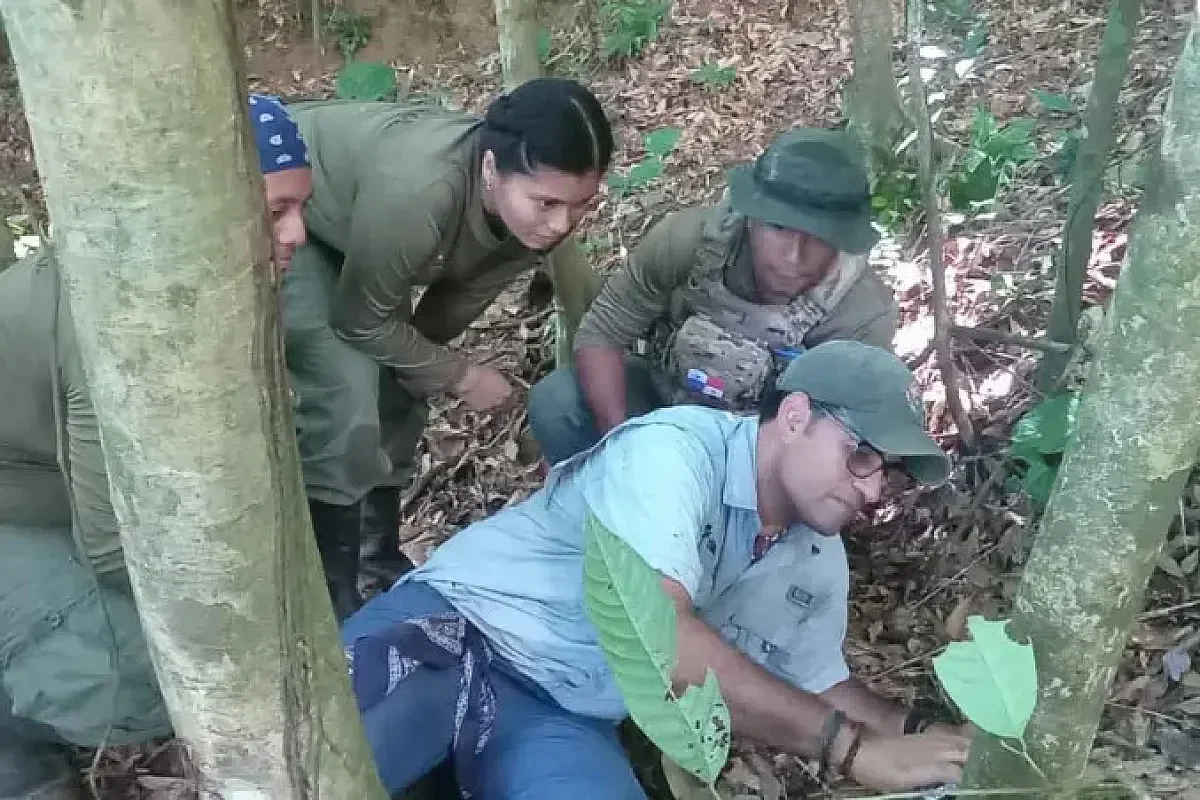
The Ministry of Environment and Fundación Yaguará Panamá launched the fieldwork following a training workshop for biologists, police officers, and park rangers. Ricardo Moreno, president of the foundation, and field coordinator Diorlin Arrocha led the sessions on wildlife monitoring techniques using camera traps.
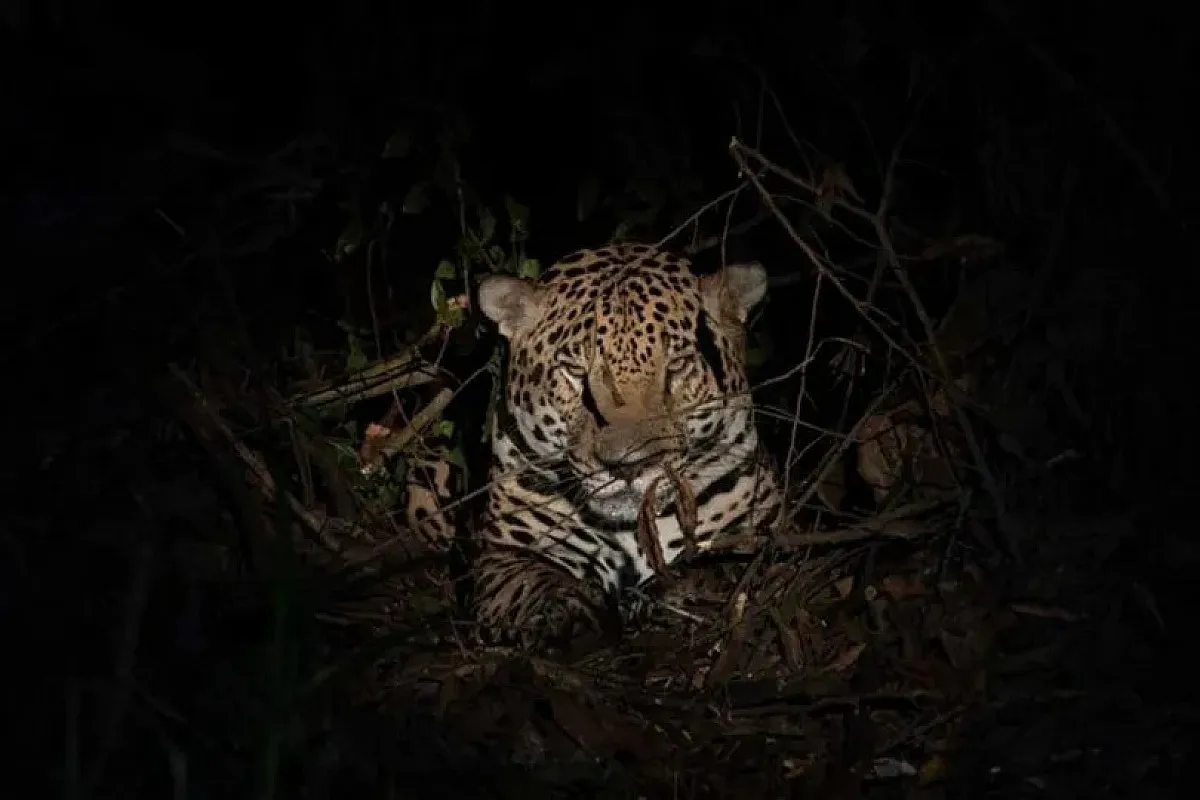
Jaguar Census Panama Targets Critical Biological Corridor
The sampling protocol requires cameras to cover a minimum convex polygon of 110 square kilometers. In El Copé, a protected area spanning 252.75 square kilometers, teams will install 64 camera traps across 32 stations, with two cameras per station. The park’s terrain ranges from 200 meters above sea level to the 1,314-meter summit of Cerro Marta, presenting significant logistical challenges for field crews.
This western region serves as a vital land bridge connecting jaguar populations from South America with those in Mesoamerica. Data collected here will establish baseline figures for managing protected areas and planning development that doesn’t fragment jaguar habitat. The census also tracks prey species, providing a fuller picture of ecosystem health.
First Phase Counted 370 Jaguars in Eastern Panama
The initial phase of the census, completed under the GEF 7 Jaguares de Panamá project, surveyed nine polygons totaling 141,000 hectares across Panama, Colón, Darién, and the Guna Yala indigenous territory. Researchers deployed 794 camera traps at 355 stations, yielding an updated 2026 estimate of approximately 370 jaguars in the eastern region.
Glenon Álvarez, chief of the Omar Torrijos Herrera park, emphasized the role of local knowledge in the research.
“Park rangers not just support the installation of camera traps, but also serve as field guides, accompanying foundation staff to different sectors of the park where, during our patrols, tracks and other signs of jaguar presence have been identified” [Translated from Spanish]
Álvarez added that the study
“will allow us to better understand the presence of these felines, the species that serve as their food, and the conservation status of our ecosystems” [Translated from Spanish]
Fundación Yaguará Panamá y MiAmbiente iniciaron en el Parque Omar Torrijos Herrera, en Coclé, el monitoreo centro-occidental del jaguar. https://t.co/PZohTJmXfL
— PanamáAmérica (@PanamaAmerica) November 11, 2026
Funding and Long-Term Monitoring Efforts
The second phase receives support from the Ministry of Environment through the Water, Protected Areas, and Wildlife Trust (FAPVS). Over the past decade, Fundación Yaguará Panamá has installed more than 3,500 camera traps nationwide. Since 2014, the foundation has maintained the longest continuous jaguar monitoring program in Panama within Darién National Park.
The expanded census will help wildlife managers understand population density, movement patterns, and prey availability across the country’s western provinces. This data informs conservation strategies and helps identify corridors requiring protection as agricultural and infrastructure development continue to reshape rural landscapes.