


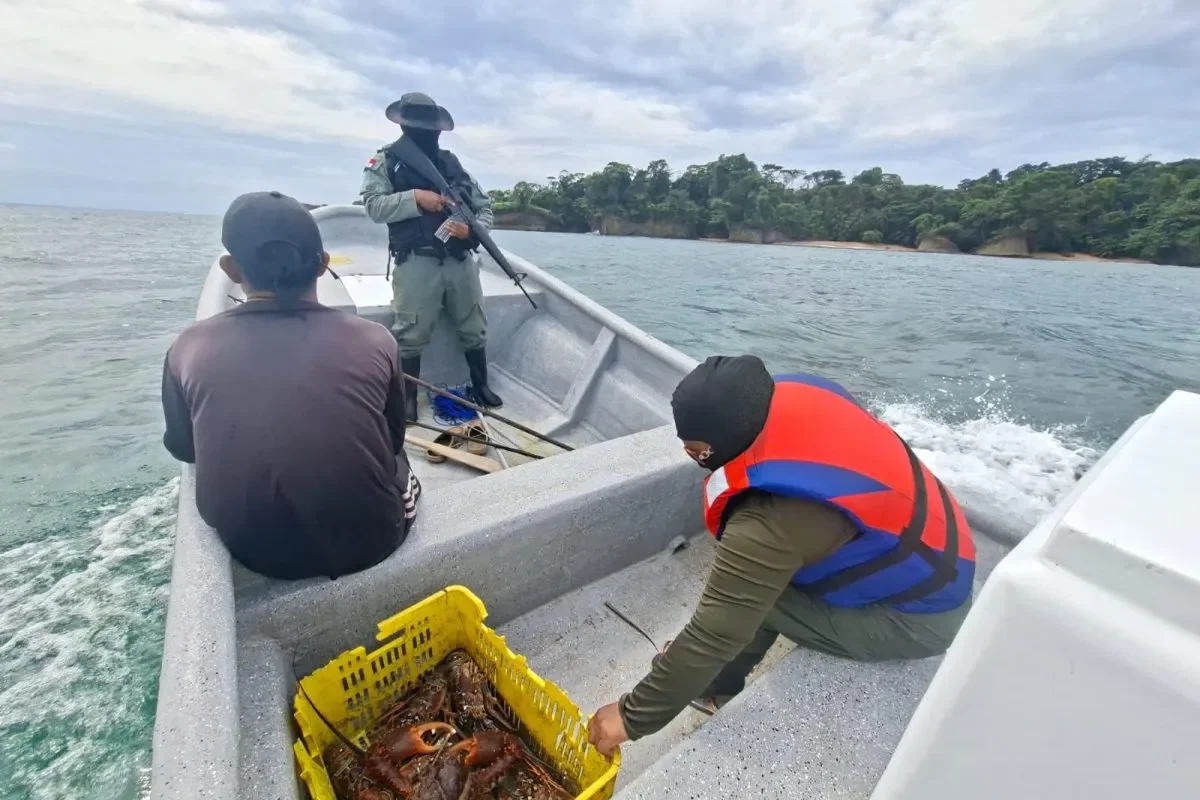
Panamanian authorities are intensifying efforts to combat illegal fishing Panama as new trade data reveals the seafood industry generated $147.2 million in exports through September 2026, accounting for 17.9 percent of the nation’s total goods exports. The figures from the Commercial Intelligence Office and the Ministry of Commerce and Industries underscore the economic stakes behind enforcement actions.
Vice Minister of Agricultural Development José Aníbal Rincón called for heightened vigilance and a frontal assault on illegal, unreported, and unregulated (IUU) fishing during a ceremony marking the 20th anniversary of the Aquatic Resources Authority of Panama (ARAP). He emphasized that illicit fishing threatens both marine ecosystems and the livelihoods of legal operators.
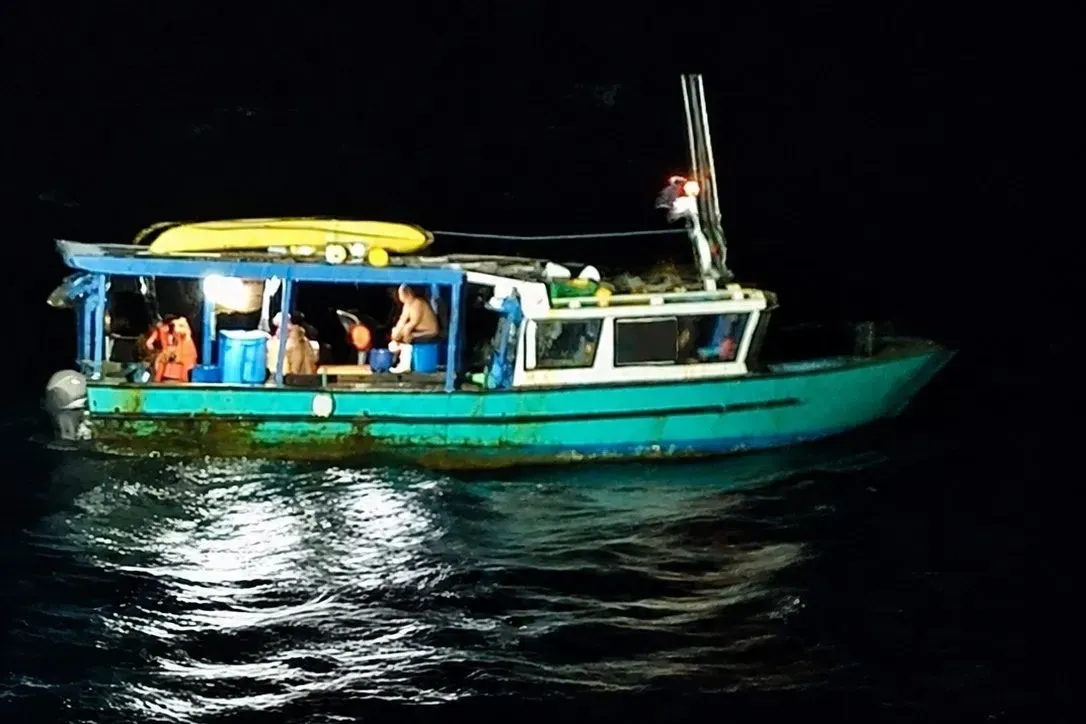
Economic Weight of Panama’s Fishing Industry
The sector supports more than 30,000 direct jobs and 150,000 indirect positions, according to ARAP administrator Eduardo Carrasquilla Dutari. Frozen shrimp leads export categories with $94.5 million in sales, followed by fish oils and fats at $28.2 million. Fishmeal and other derivatives round out the top products shipped to international markets.
Carrasquilla noted that the industry has generated billions in export revenue over two decades, positioning Panama in key global markets. The anniversary event also marked the inauguration of ARAP’s new facilities at Plaza Concordia.
Pesca ilegal amenaza un sector que exporta $147.2 millones en Panamá https://t.co/xpo65Ko1Gb
— Crazy Rock Radio (@crazyrockradio) November 25, 2026
EU Scrutiny and Traceability Gaps
Panama remains under a European Union yellow card issued in December 2019 for insufficient cooperation against IUU fishing. The designation places the country under observation while the EU evaluates progress toward compliance. Carrasquilla estimated that Panama could face an EU review during the first quarter of 2027, with the goal of securing a green card.
An investigation published in March 2026 found that only 14 percent of the longline fleet uses mandatory satellite monitoring systems required under Decree 126 of 2017. The traceability project developed with the Regional International Organization for Agricultural Health had reached just 45 percent completion by August 2026, missing its July deadline due to financial constraints.
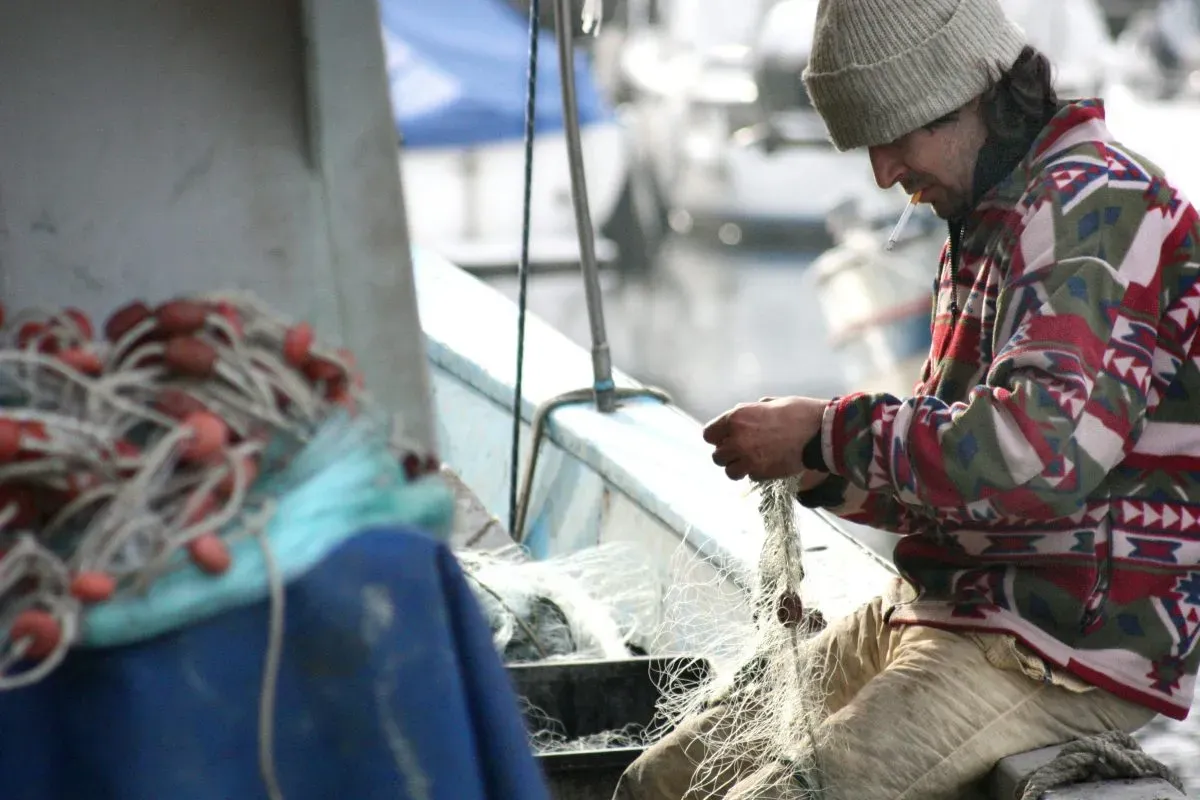
Institutional Coordination and Enforcement Priorities
Rincón, speaking on behalf of MIDA Minister Roberto Linares, urged strengthened interinstitutional coordination and full compliance with Panama’s international fisheries governance commitments. The call comes as authorities work to close monitoring gaps and improve data collection across the fishing fleet.
The government has framed the enforcement push as essential for protecting legal fishing operations and maintaining access to European markets. Officials stressed that continued EU cooperation depends on demonstrable progress in tracking vessels and verifying catch origins.
Panama’s fisheries sector faces mounting pressure to modernize oversight systems while preserving the export revenue that sustains tens of thousands of workers. The coming months will determine whether the country can satisfy EU requirements and secure its standing in global seafood trade.