


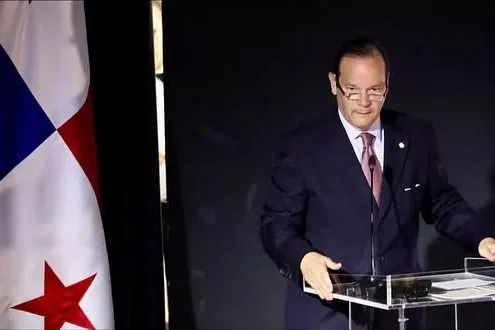
Panama’s top diplomat landed in Havana on Wednesday to advance Panama Cuba diplomacy over seven Panamanian citizens still detained on the island, according to official sources from both governments.
Foreign Minister Javier Martínez-Acha arrived for what Cuba’s Foreign Ministry described as an official visit. He was received at the airport by Otto Vaillant Frías, director general for Latin America and the Caribbean at the Cuban Ministry of Foreign Affairs. Panamanian officials confirmed the trip centers on the detained nationals facing charges against Cuba’s constitutional order.
El canciller de Panamá refirió que tiene previsto reunirse con autoridades cubanas para abordar la situación de los siete panameños, arrestados por su presunta participación en la elaboración de pintadas con mensajes contra el Gobierno cubano. https://t.co/FcLGNgdv8F
— OnCuba (@OnCuba) November 25, 2026
Panama Cuba Diplomacy Faces Detainee Standoff
The case dates to late February, when ten Panamanians were arrested for allegedly painting graffiti critical of the Cuban government and political system. The charges carry a potential sentence of up to eight years in prison. Cuban authorities said the group was recruited in Panama to create signs with subversive content, with promised payments between $1,000 and $1,500 per person upon return.
Three women from the group were released. Seven men remain in custody. The graffiti reportedly included phrases such as “Down with tyranny” and “Communism: enemy of the community,” along with expressions of confidence in U.S. President Donald Trump, Secretary of State Marco Rubio, and Ambassador Mike Hammer.
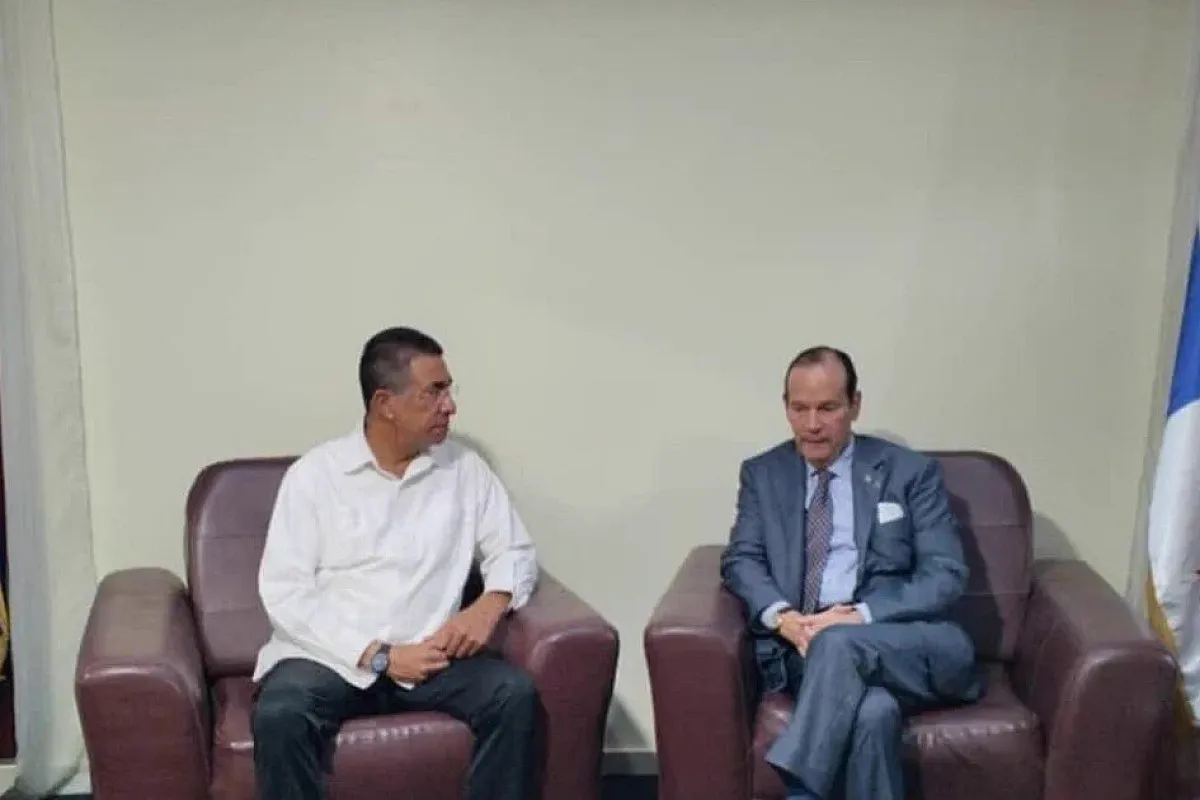
Martínez-Acha previously traveled to Cuba in March to visit the detainees. During that trip, he confirmed they received humane treatment and proper legal assistance. He also met with Cuban President Miguel Díaz-Canel and Foreign Minister Bruno Rodríguez.
Transfer Request and Legal Strategy Under Review
In July, Martínez-Acha stated Panama would request that the seven citizens serve any potential sentence in their home country if convicted. That request forms a central part of the current diplomatic push. The Panamanian government has not disclosed whether Cuba has formally responded to the transfer proposal.
The Foreign Minister departed Panama on Tuesday night. Cuban authorities have not released details about his itinerary or scheduled meetings during this visit. The trip signals intensifying efforts to resolve a case that has tested bilateral relations for months.
Bilateral Relations and Regional Implications
The detention case unfolds against a backdrop of broader regional tensions. Cuba has faced increased scrutiny over its treatment of foreign nationals accused of political crimes. Panama’s approach balances diplomatic engagement with direct advocacy for its citizens abroad.
Previous meetings between Martínez-Acha and Cuban leadership covered bilateral, regional, and international agenda items. The current visit narrows focus to the legal status of the seven Panamanians and potential pathways for their release or transfer.
Neither government has indicated a timeline for resolution. The outcome will likely shape the trajectory of Panama Cuba diplomacy in the coming months, as both nations weigh humanitarian concerns against legal processes and political sensitivities.