


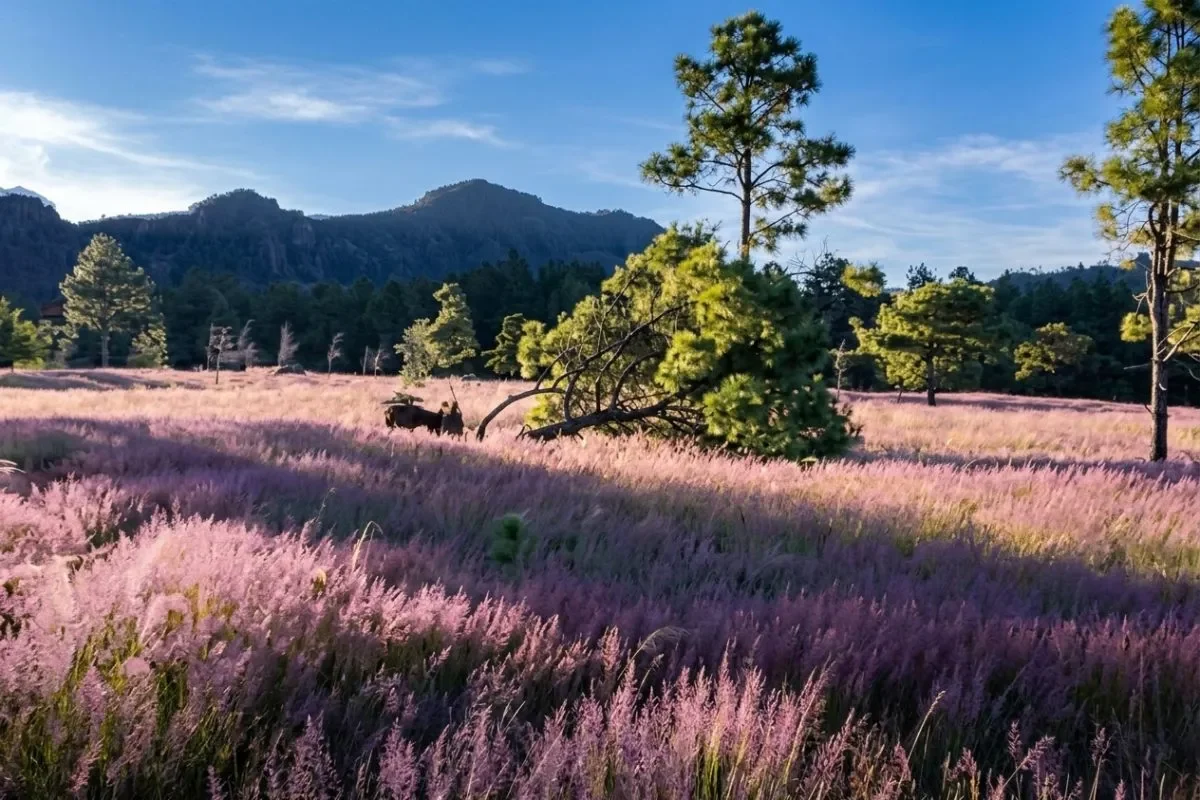
The slopes of the Volcán Barú in Panama’s Chiriquí province are currently covered in pink and purple hues as the annual Chiriqui grasslands flowering reaches its peak. The natural spectacle, visible for only a few weeks each year, draws photographers and nature enthusiasts to the highlands before the dry season begins.
Local specialists confirm the phenomenon lasts between 15 days and one month, depending on weather patterns. The timing varies slightly each year, but residents anticipate the bloom as a reliable marker of seasonal transition in the region.
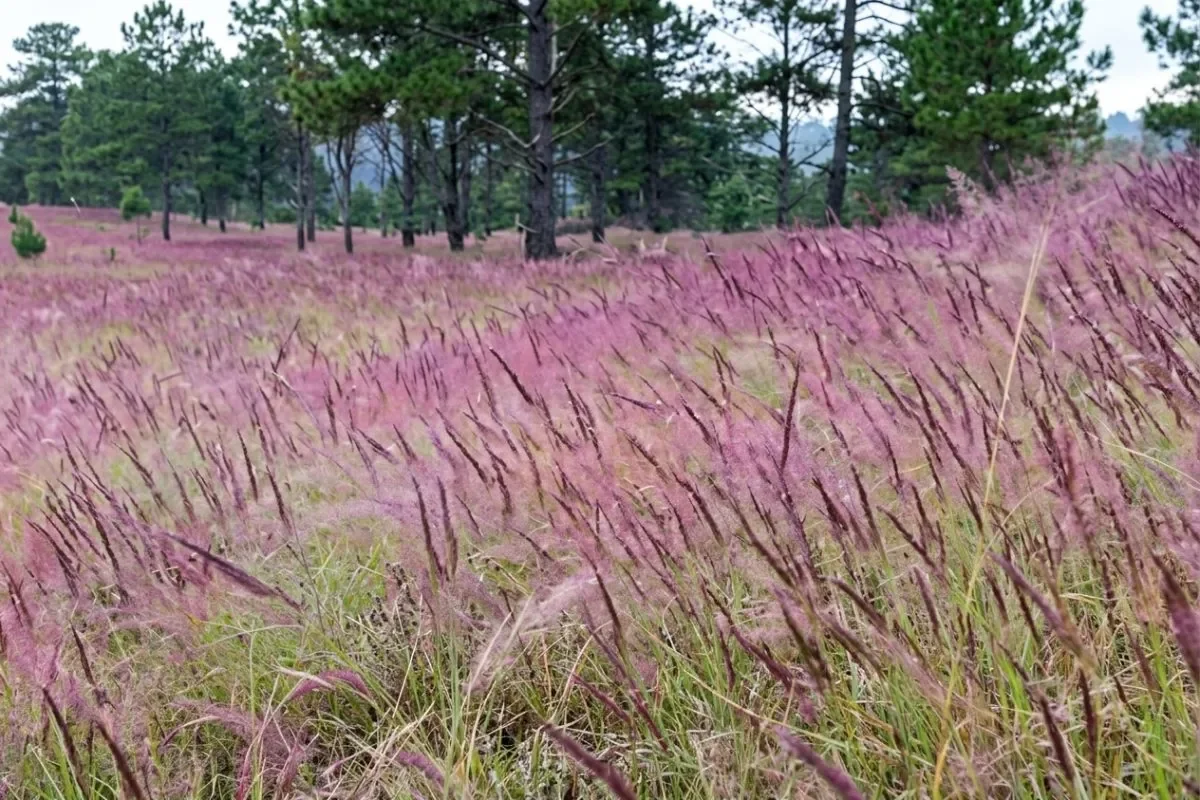
Chiriqui Grasslands Flowering Season Timing and Conditions
The flowering occurs once annually, typically just before Panama’s dry season settles over the western highlands. Wind patterns play a crucial role in spreading the tiny flowers across the volcanic foothills, creating the distinctive color wash that blankets the landscape.
Meteorological conditions directly influence how long the display remains visible. Years with stable temperatures and moderate humidity tend to extend the bloom, while sudden weather shifts can shorten it considerably. Visitors hoping to witness the spectacle should plan trips within the next two weeks.
La naturaleza vuelve a regalar un paisaje espectacular en las faldas del volcán Barú, en Chiriquí. Se trata de la calinguera, una vegetación que durante esta época adquiere una particular tonalidad rosada. Sin embargo, su belleza dura poco aproximadamente dos semanas https://t.co/R642IgywHB
— Ing Julio Robles (@ingjuliorobles) November 21, 2026
Distinctive Aroma and Vegetation Characteristics
Beyond the visual impact, the flowering grass emits a notable fragrance. Specialists describe the scent as similar to honey or molasses, adding a sensory layer to the experience of walking through the affected areas. The aroma intensifies during warm afternoons when the flowers release more volatile compounds.
The vegetation responsible for the color shift belongs to native grass species that thrive in the volcanic soil of Chiriquí’s highlands. Their brief bloom period concentrates biological activity, attracting pollinators and contributing to the local ecosystem’s seasonal rhythms.
Tourism and Regional Significance
The annual display has become an informal attraction for domestic and international visitors exploring western Panama. Local businesses in nearby communities anticipate increased foot traffic during the bloom window, though the phenomenon remains less commercialized than other regional draws.
Conservation groups note that the flowering underscores the ecological value of preserving native grasslands around the Volcán Barú. The area supports diverse plant communities that respond to distinct seasonal cues, making the bloom both a cultural marker and an indicator of environmental health.