


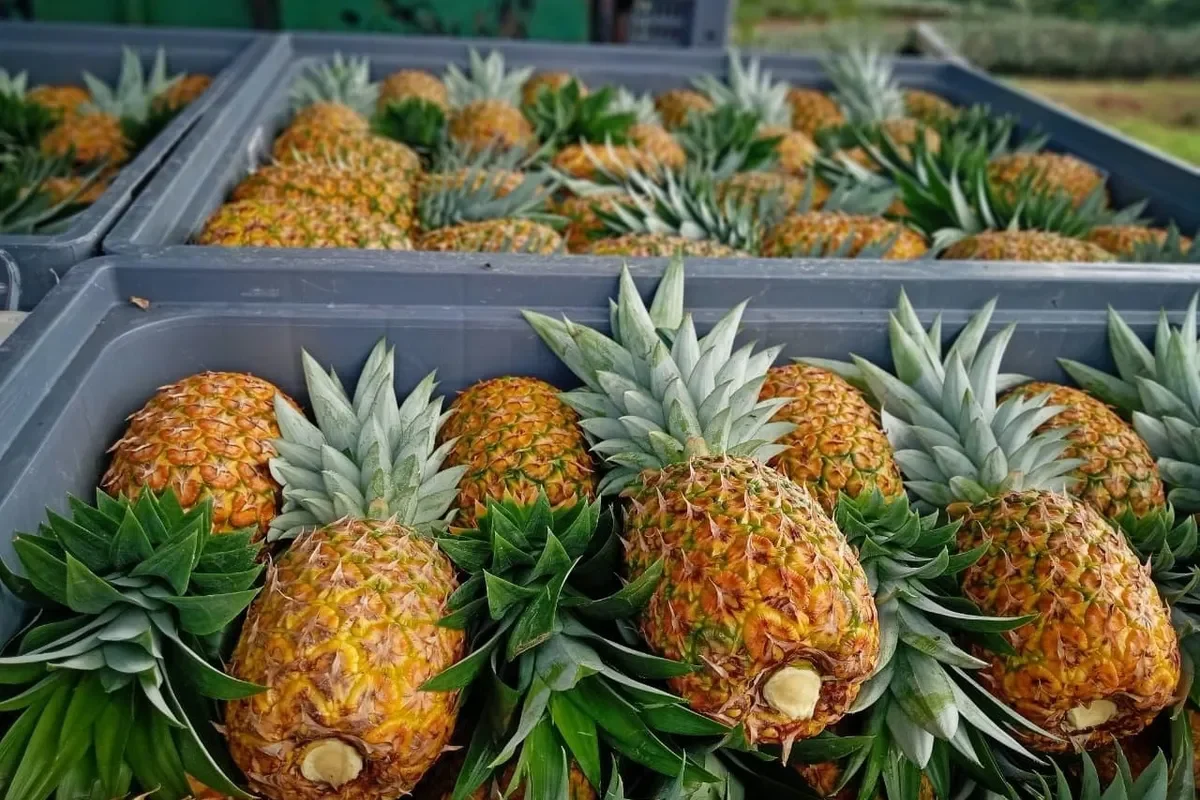
Agricultural researchers and farmers in western Panama are testing new planting techniques to combat severe Panama soil erosion that threatens the watershed feeding the interoceanic canal. The initiative, confirmed on November 23, 2026, introduces transverse pineapple rows, vegetative barriers, and organic fertilizers across a region losing up to 200 tonnes of topsoil per hectare annually.
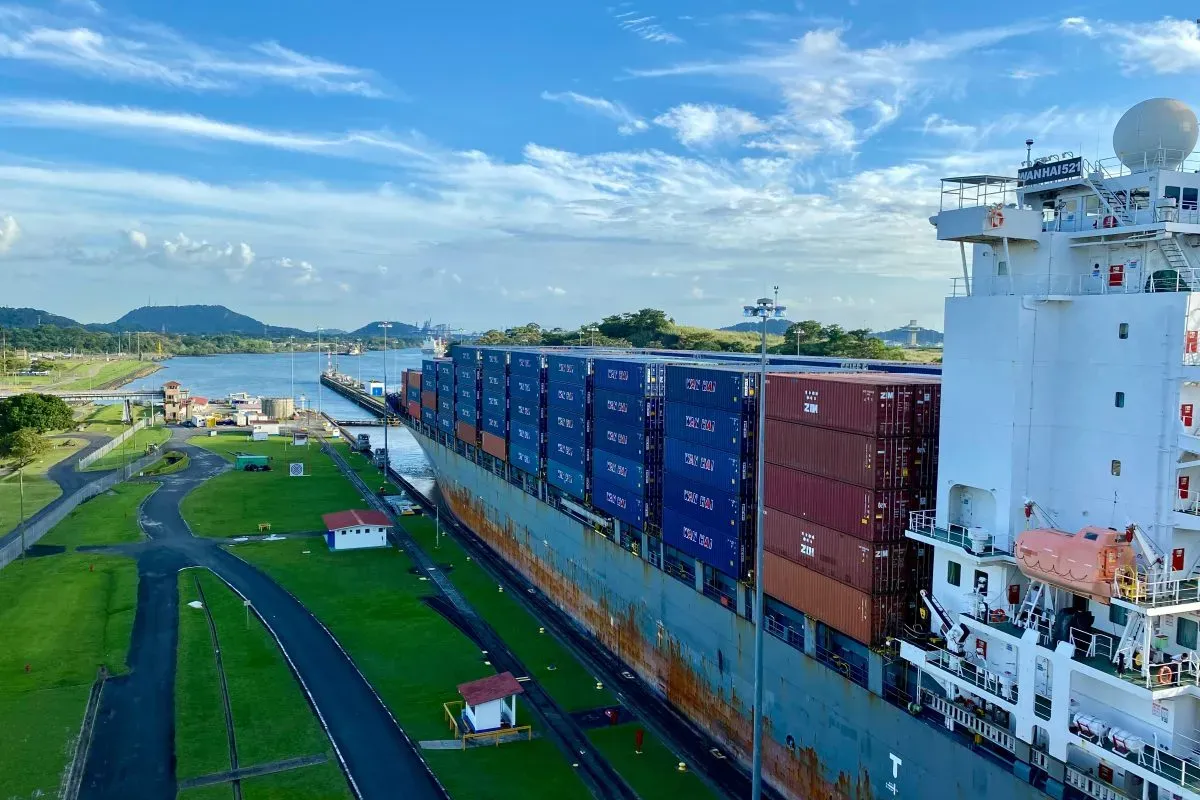
The project unites Panama’s Agricultural Innovation Institute (IDIAP), Cuba’s Soil Institute, and Spain’s University of Santiago de Compostela. Their shared goal is rehabilitating degraded farmland while equipping producers operating inside the 343,521-hectare canal basin, a zone critical for water supply and maritime operations.
Transverse Planting Counters Panama Soil Erosion
Specialists from Cuba proposed arranging pineapple rows perpendicular to hillside slopes, replacing the conventional practice of planting downhill. This orientation forces rainwater to navigate plant barriers, slowing runoff velocity and reducing sediment, nutrient, and organic matter loss from fields.
José Isaac Mejía, an IDIAP researcher, attributed degradation to demographic pressure, deforestation, and organic matter depletion. He explained that uncovered soil loses the binding force provided by organic material. The western basin has suffered drought periods that forced canal authorities to restrict daily ship transits, compounding concerns about land deterioration from cattle ranching and agriculture.
Así se cosechan las piñas en Panamá para evitar la pérdida de tierra cerca del Canal https://t.co/vzVee2iwer
— ALIMENTARIA PANAMÁ (@alimentariapty) November 23, 2026
Farm Trials and Organic Inputs in La Zaguenza
Carlos Herrera, a producer near La Zaguenza, maintains over 60,000 pineapple plants for domestic and export markets on a farm serving as a testing ground for conservation measures. His granddaughter Gabriela Frías noted that pineapple demands heavy nutrients, making soil degradation a direct threat to yields.
“These conservation projects are a resource that helps us, since pineapple cultivation is a demanding crop for the soil,” she said [Translated from Spanish].
Frías added that the new field layout prevents waterlogging in clay-heavy soils with poor infiltration. The program also converts pineapple leaves and cattle waste into organic compost, reducing reliance on synthetic inputs while restoring soil structure.
Watershed Protection and Canal Operations
The canal basin supplies water to more than half of Panama’s population and sustains the shipping route linking the Atlantic and Pacific oceans. Erosion compromises the fertile surface layer and water retention capacity, threatening both farm productivity and reservoir levels essential for lock operations.
Recent drought cycles already forced transit reductions at the canal, underscoring the economic stakes tied to watershed health. Researchers argue that keeping soil in place on hillside farms directly supports the reliability of global shipping schedules and local food production.
The collaboration marks a shift toward practical, low-cost interventions suited to smallholder conditions. By integrating Cuban soil science expertise with Spanish academic support and Panamanian field networks, the project aims to create replicable models for erosion control across Central American agricultural zones facing similar climate pressures.