


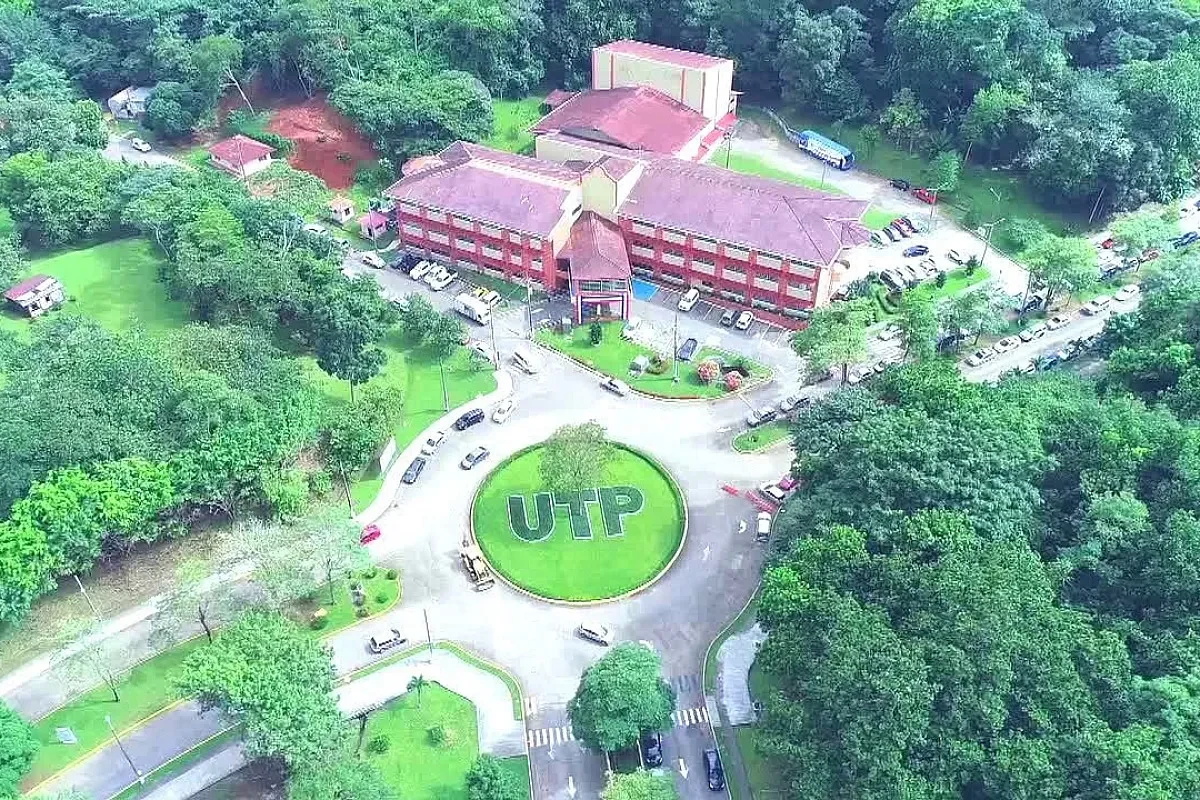
Panama’s higher education system is restructuring its academic offerings to meet the shifting professional demand Panama faces across strategic economic sectors, according to Ángela Laguna, rector of the Technological University of Panama (UTP) and president of the Panama Council of Rectors. Laguna outlined the challenges during an interview Monday, citing newly approved programs in biotechnology, biomedical, and chemical engineering as direct responses to industry needs.
The move comes as universities confront a dual challenge: aligning curricula with labor market realities while addressing significant academic deficiencies among incoming students, particularly in reading comprehension and mathematics. Laguna said institutions must maintain constant dialogue with companies, industry partners, and research laboratories to identify specialized personnel gaps before they widen.

New Engineering Programs Address Professional Demand Panama
The recent approval of three engineering disciplines marks a concrete step toward closing the skills gap. The Biotechnology Engineering, Biomedical Engineering, and Chemical Engineering programs represent fields where Panama’s private sector and research institutions have signaled growing personnel requirements. Laguna emphasized that updating academic offerings requires permanent vigilance because market needs evolve continuously.
Traditional professions such as civil engineering and law remain relevant, but universities cannot afford to rely solely on established programs. The planning timeline compounds the urgency. Training a qualified professional takes three to four years, meaning institutions must anticipate demand shifts well in advance. Laguna called for more agile curriculum frameworks that allow faster adjustments when economic conditions change.
Interdisciplinary Training and Artificial Intelligence Integration
Artificial intelligence applications now span multiple knowledge domains, making interdisciplinary education essential rather than optional. Laguna pointed to bioinformatics as a prime example, a field that merges biology, computer science, and data analysis into a single discipline. This convergence reflects a broader trend where emerging careers demand competencies across traditional academic boundaries.
But the pipeline problem starts earlier than university admission. Many students arrive from secondary schools with weak foundational skills. Laguna identified reading comprehension and mathematics as the most pressing deficiencies. Educational interruptions from various causes have worsened the situation, forcing universities to invest in remedial programs. UTP has developed academic support and socio-affective initiatives to help students reach required competency levels.
“If you don’t know how to read, even if you go to the technological university, which is about numbers, this is a very important need and it is already proven that precisely the abuse of screens and technology has diminished those capabilities” [Translated from Spanish]
#NoticiasTVN ¿Qué profesionales necesita Panamá? Universidades adaptan oferta académica a nuevas demandas del mercado laboral. https://t.co/E9Pesg0aI7
— TVN Noticias (@tvnnoticias) November 24, 2026
Research Capacity and Interuniversity Cooperation
Panama has made scientific research progress over the past 10 to 15 years, though Laguna said the country remains far from where it should be. The National Secretariat of Science, Technology and Innovation (Senacyt) serves as a key ally for universities building research capacity. The Council of Rectors maintains between 10 and 15 working commissions focused on research, sustainable development, mental health, and inclusion.
These commissions allow universities to share institutional strengths and develop joint initiatives rather than competing in isolation. The council also organizes cultural events, including an interuniversity folklore gathering during national month celebrations, to strengthen institutional bonds beyond academic collaboration.
Laguna’s assessment underscores a broader reality for Panamanian higher education. The country’s universities must simultaneously fix foundational gaps in incoming students, build research infrastructure, and pivot toward emerging fields where professional demand Panama will grow in coming decades. The newly approved engineering programs represent an early response to that mandate, but sustained adaptation will determine whether the system keeps pace with economic transformation.