


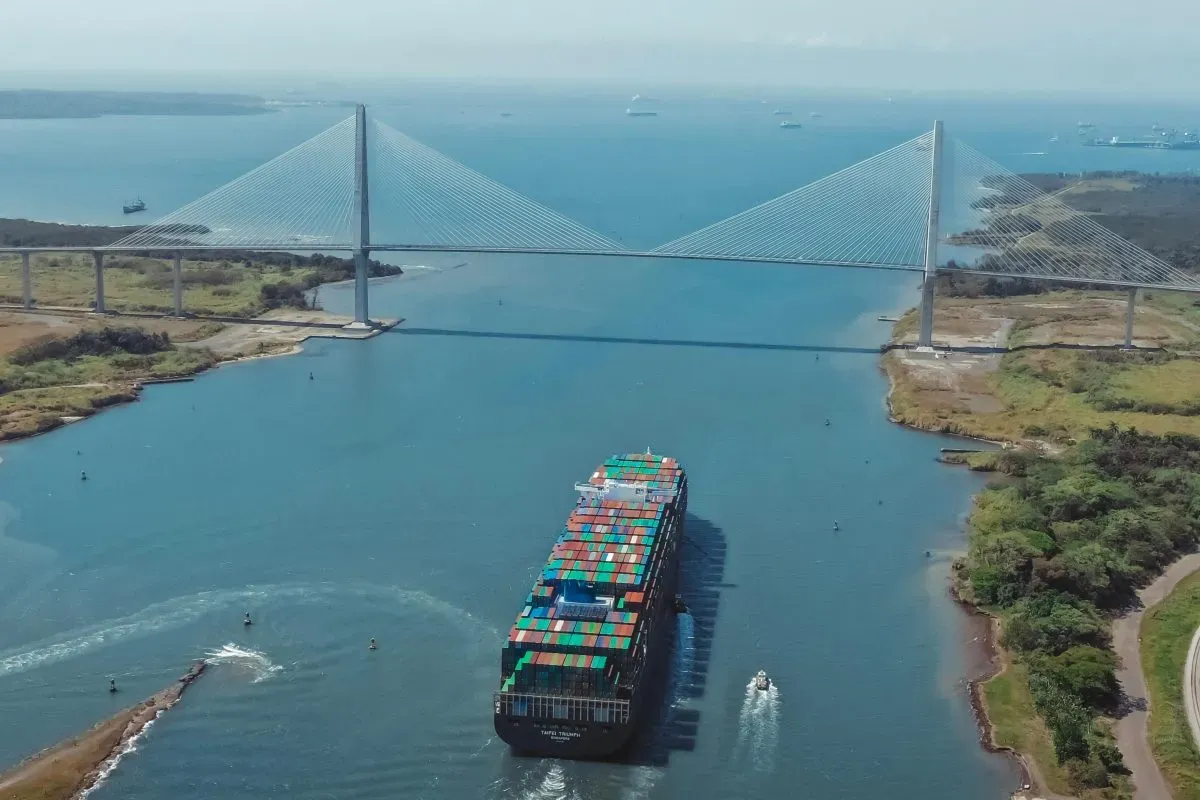
Panama’s ship registry has fallen to third place worldwide in gross tonnage, marking a 12.3 percent contraction in its fleet between late 2025 and August 2026. The drop reflects a deliberate purge of vessels tied to U.S. sanctions and a broader reshuffling of the global shipping fleet, according to Clarkson Research data cited by Seatrade Maritime News.
The registry now counts 202.1 million gross tons across 7,677 flagged vessels, down from 230.5 million gross tons at the end of 2025. Liberia holds the top position with 314.6 million gross tons and 6,138 ships, while the Marshall Islands moved into second place with 209.4 million gross tons and 4,732 vessels.
Quality Over Volume Strategy Reshapes the Registry
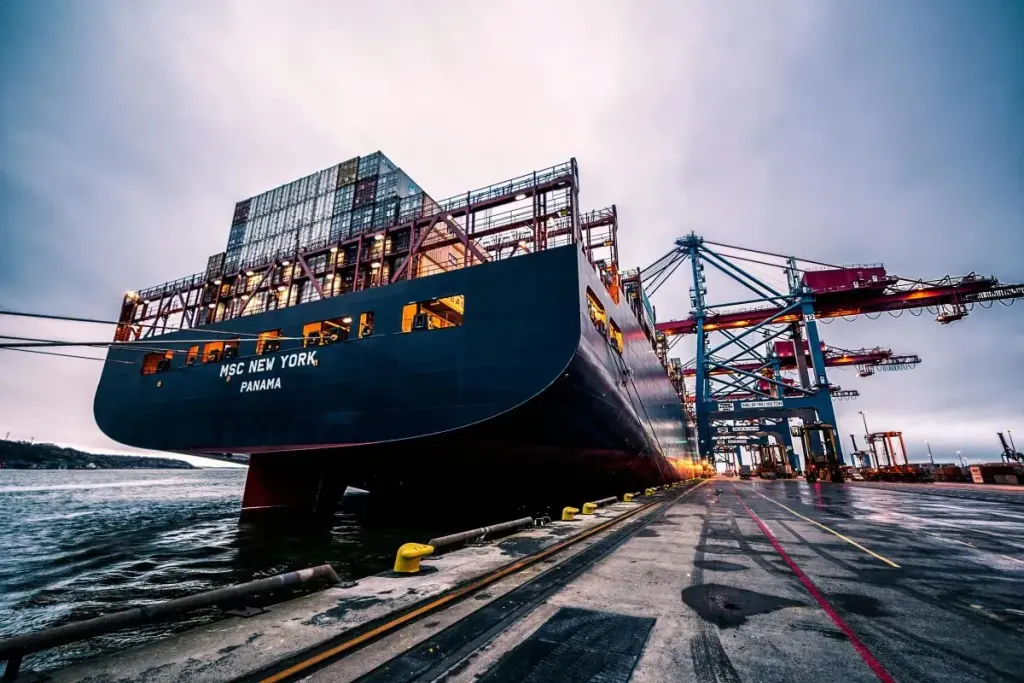
Ramón Franco, director of Panama’s Ship Registry, framed the decline as an intentional shift toward fleet quality rather than raw tonnage. He told Seatrade Maritime News that the registry is prepared to reject certain vessels or cancel registrations for ships that fail to meet performance benchmarks.
“Right now, our priority is ensuring that the vessels in our fleet are the best” [Translated from Spanish]
Franco’s comments signal a strategic pivot for a registry that has historically competed on size and convenience. The approach prioritizes safety records, operational performance, and compliance with international standards over maximizing the number of ships under the Panamanian flag.
Sanctions Enforcement and Chinese Port Detentions
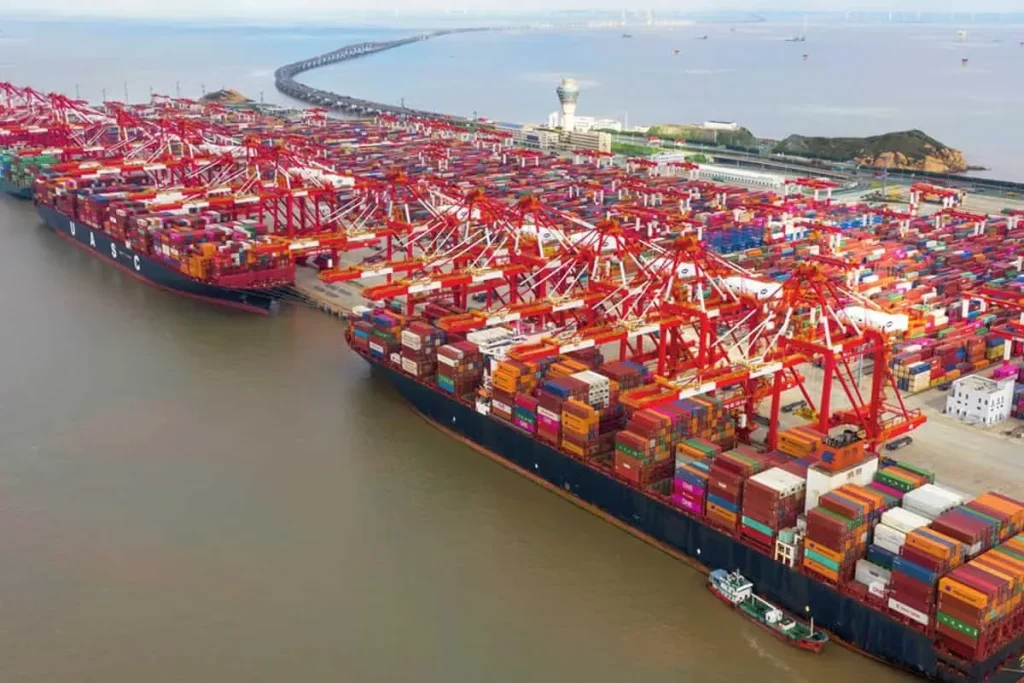
Panama has withdrawn a significant number of vessels to comply with U.S. sanctions, according to Seatrade Maritime News. The removals coincide with rising detentions of Panamanian-flagged ships at Chinese ports, a development that has pushed some owners toward alternative registries.
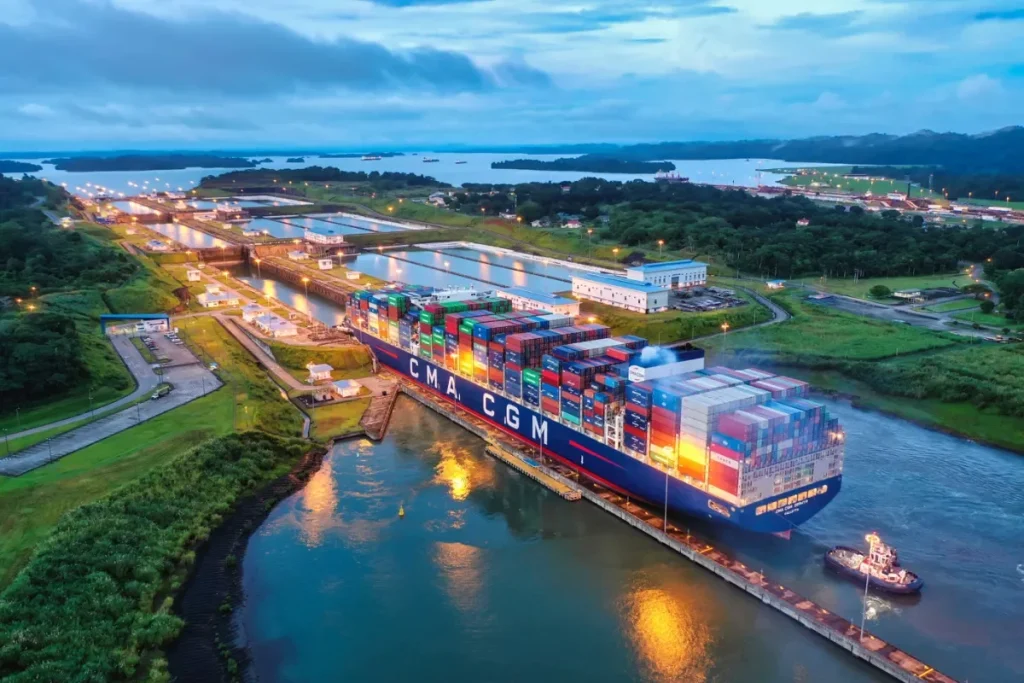
An anonymous maritime executive quoted by the outlet said the increase in Chinese port detentions created concern across the industry and aligned with a shift in tonnage toward competing flags. The Marshall Islands grew 7.0 percent during the period, while the Bahamas expanded 10.7 percent and Barbados added 13.6 percent.
Competing Registries Gain Ground in the Global Shipping Fleet
The executive suggested Panama must evaluate which types of tonnage are leaving and why, while also examining what rival registries offer shipowners. Factors cited include fleet quality, technical capacity, customer service, risk management, and prevention of port state control issues.

Top Ship Registries by Gross Tonnage: Liberia, Marshall Islands, Panama
| Rank | Registry | Gross Tonnage (millions) | Flagged Vessels |
|---|---|---|---|
| 1 | Liberia | 314.6 | 6,138 |
| 2 | Marshall Islands | 209.4 | 4,732 |
| 3 | Panama | 202.1 | 7,677 |
Source: Clarkson Research, seatrade-maritime.com
Panama’s position in the global shipping fleet has long rested on its open registry model, low costs, and administrative efficiency. But the current environment, shaped by geopolitical pressures and enforcement actions, is testing that model. Liberia and the Marshall Islands have capitalized on the moment, absorbing tonnage that might previously have flown the Panamanian flag.
The registry’s leadership maintains that a smaller, higher-performing fleet serves Panama’s long-term interests better than chasing volume. Whether shipowners agree will determine if the third-place ranking is a temporary correction or a lasting realignment in the global shipping fleet.
Under pressure: Panama Ship Registry drops to 3rd in global rankingshttps://t.co/kDGE6DEG9I #maritimenews #shippingnews
— Seatrade Maritime (@Seatrade) September 23, 2026