


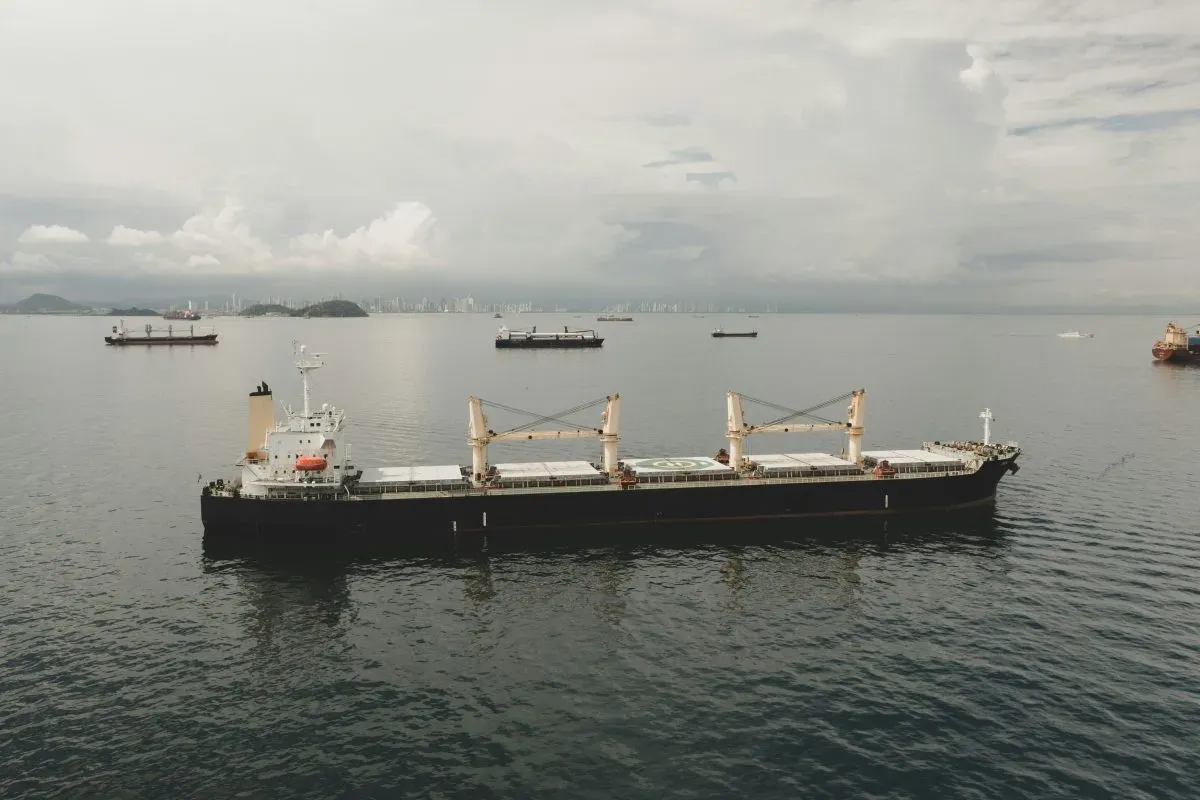
The Panama Canal is experiencing a notable rise in shipping traffic. Global trade disruptions from conflict in the Middle East are pushing more vessels toward this critical Central American shortcut. Deputy Administrator Ilya Espino de Marotta confirmed the trend this week, linking it directly to soaring fuel costs and regional instability.
This uptick arrives as a stark reversal from the severe restrictions imposed just two years prior. A punishing drought had forced the canal to slash daily transits. Now, improved water levels and geopolitical shifts are driving a sudden, unexpected surge in demand for its services.
Canal Officials Confirm Rising Transit Numbers
Ilya Espino de Marotta, the canal’s deputy administrator, stated that authorities have observed a clear increase in vessel movement. She connected this change directly to economic pressures on global shipping lines. When fuel prices climb, the canal’s shorter route becomes a more attractive financial option for many carriers.
“The latest thing we’ve seen is an increase, a slight increase in the number of transits,” Espino de Marotta said. [Translated from Spanish] “Let’s remember that now, with higher fuel prices, the Panama Canal definitely becomes a more attractive route because it’s shorter.”
Current operations now accommodate between 40 and 41 transits daily. That figure surpasses the pre-drought norm of 36 transits. The slight increase is enabled by a wetter-than-expected dry season this year. It provides a crucial buffer for the water-intensive lock system.
Espino de Marotta did offer a note of caution about the current peak numbers. She indicated that while the canal can sustain a higher baseline, the very top of the current range may not be permanent. The system is balancing new demand with long-term resource management.
“Forty-one or 42 transits are not sustainable over time, but we can maintain about 38 consistently, so we are supporting the industry’s needs,” the deputy administrator explained. [Translated from Spanish]
Global Conflict Reshapes Fuel Shipping Routes
The primary driver of this shift is the severe restriction of traffic through the Strait of Hormuz. This chokepoint at the mouth of the Persian Gulf is a vital corridor for global energy exports. Roughly one-fifth of the world’s liquefied natural gas trade typically passes through it, according to the U.S. energy information administration.
With the strait effectively choked by war, freight rates for fuels like American LNG have skyrocketed. Asian markets are aggressively seeking new supply routes. This search for alternatives is redirecting global shipping patterns. At least four major U.S. LNG cargoes originally bound for Europe have already diverted toward Asia since the conflict intensified.
When asked if Asian buyers might use the Panama Canal for more LNG shipments, Espino de Marotta acknowledged the possibility. She also pointed to the complex economics of the global gas trade. European demand due to the war in Ukraine remains a powerful competing force.
“But we must also remember that right now, Russia is in a situation with Europe,” she said. [Translated from Spanish] “So it is more profitable for the United States to send LNG from the East Coast of the US to Europe.”
Despite that competition, the ongoing crisis suggests a lasting realignment. With eighty percent of Asia’s fuel normally flowing through the Hormuz strait, the search for reliable pathways is urgent. The Panama Canal, positioned between Atlantic and Pacific producers and consumers, is a logical beneficiary.
From Drought to Demand
This new demand contrasts sharply with the canal’s recent challenges. The extreme drought during the 2023-2024 El Niño weather phenomenon crippled operations. Water levels in Lake Gatún, the canal’s primary reservoir, fell to historic lows.
The canal functions as a water elevator for ships. Each transit consumes millions of gallons of fresh water drawn from the lake. The drought forced a drastic reduction to just 24 daily transits, stranding cargo and inflating global shipping costs. The recovery to over 40 transits marks a dramatic turnaround fueled by both weather and war.
Officials are now monitoring the situation closely. The administrator said the canal is prepared to handle more of the world’s fuel shipments if needed. Confidence is high that the waterway can serve as a stable alternative during prolonged instability in the Middle East.
Precise data on the new vessels’ origins remains unclear. Espino de Marotta stated she lacks specific details on all the new customers. The trend, however, is unmistakable. “Obviously they’re using us as an alternative route to the one they used before,” she concluded. [Translated from Spanish] As long as conflict persists at the world’s other great chokepoint, ships sail toward Panama in growing numbers.