


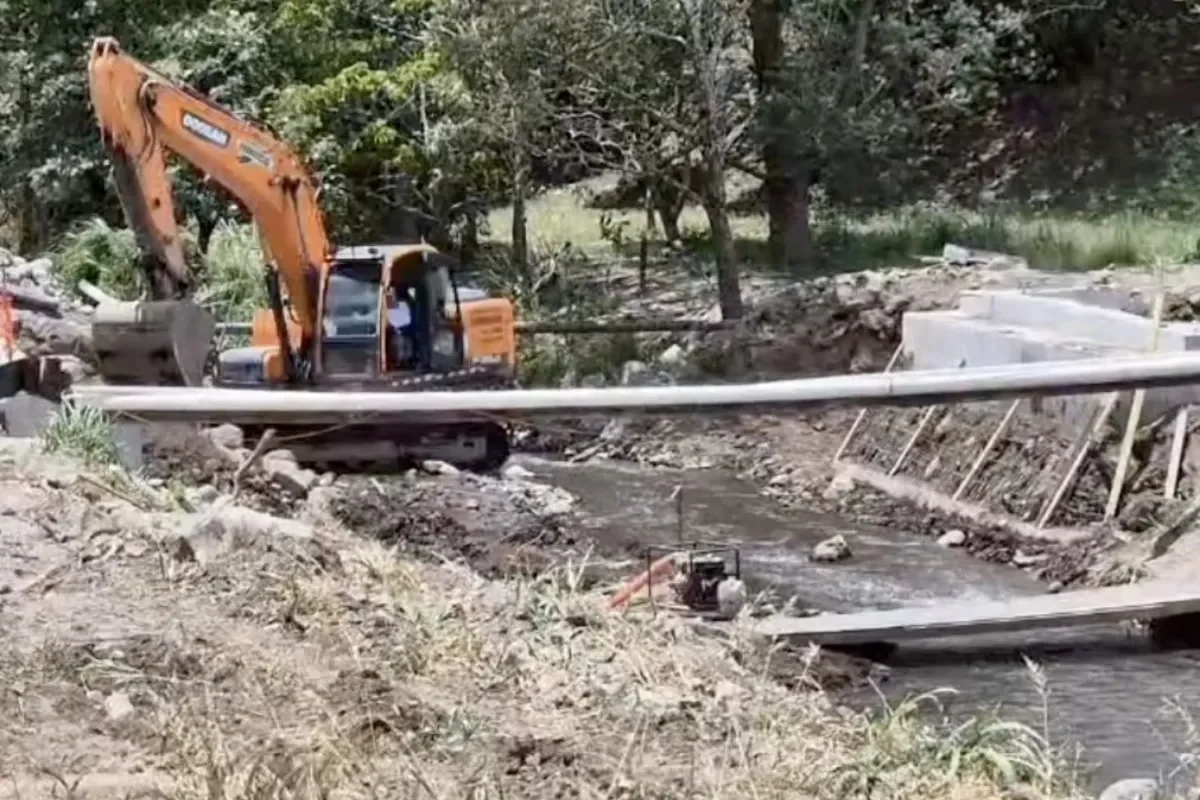
For Santos Ortega, a Boquete resident, the approaching rainy season used to bring a knot of anxiety. He has watched torrents of water barrel down from the El Salto highlands, overwhelming drainage channels and creeping toward homes. That unease is finally easing as crews from Panama’s Ministry of Public Works (MOP) rush to finish a long-awaited stormwater rerouting system.
“We’re hopeful these works will stop the damage once and for all,” Ortega said, expressing a sentiment shared across this corner of Chiriquí province.
Residents Voice Relief as Drainage Channels Take Shape
A sense of guarded optimism is spreading through the district. For years, heavy runoff has saturated the area, exposing the limits of aging culverts and pushing the Caldera River to its brink. Sinkholes, sewer backups, and flash flooding became recurring nightmares. Now concrete channels and reinforced conduits are taking shape, designed to shepherd stormwater directly into the river without overwhelming the neighborhood. The MOP and local officials have prioritized these works as part of the larger Alto Boquete-Caldera-Puente Los Valles road rehabilitation, a project that has already reached 89 percent completion.
The mayor of Boquete, Eduardo Rodríguez, explained the core challenge. The upper catchment of El Salto generates a volume of water that simply can no longer squeeze through the existing narrow passages. During past downpours, the backed-up flow spilled into streets and properties, testing the resilience of the entire drainage network. Mayor Rodríguez told reporters that the fix would finally give the community a direct, controlled corridor.
“With this work we can channel the waters toward the Caldera River” [Translated from Spanish],
he said, emphasizing that the redirection would relieve pressure on vulnerable spots where the sewer system and natural streams often collapse.
A Long-Delayed Solution for Boquete’s Flood-Prone Neighborhoods
The project’s roots stretch back to earlier assessments that flagged the shrinking capacity of existing pluvial canals. Prolonged neglect turned seasonal rains into a threat multiplier, amplifying risks for families and businesses situated between Alto Boquete and the Caldera River. The current phase tackles the most critical bottleneck: the stretch where runoff from elevated terrain meets the built-up district. Engineers are installing wider drain grates, reinforcing slopes, and carving out bypass channels that will intercept surging water before it can pool in residential zones.
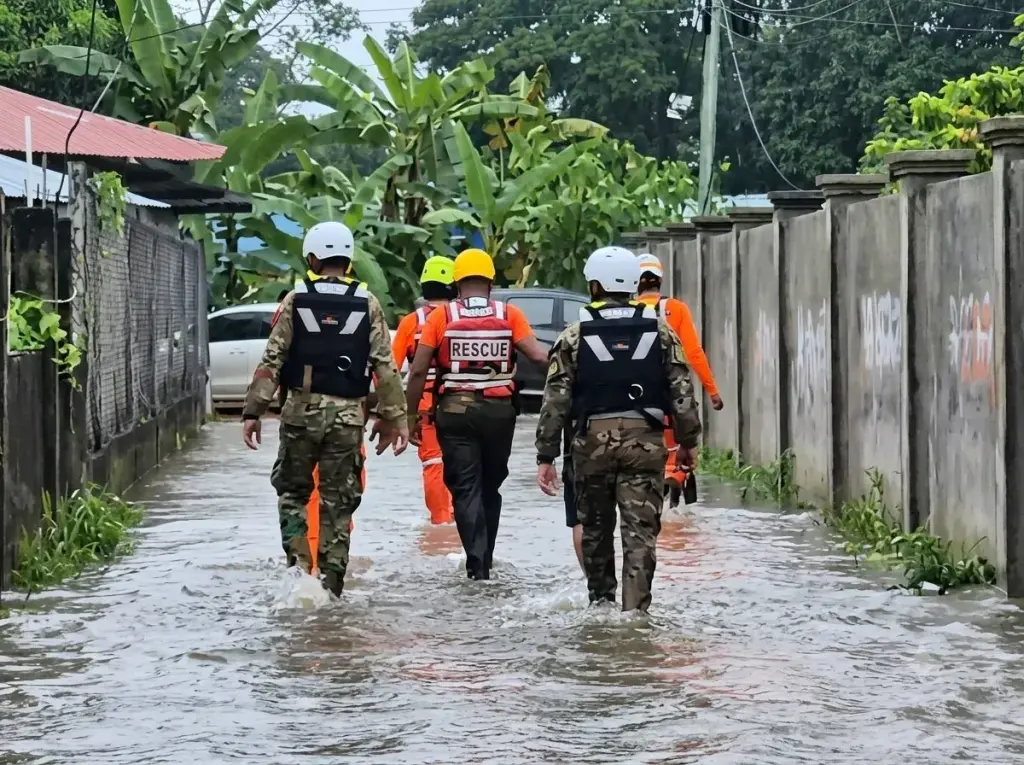
Local authorities say the entire stormwater reordering system should be operational within the next few months. That timeline puts completion right on the cusp of Panama’s intense wet season, which typically transforms these same streets into conduits of mud and debris. In recent memory, even moderate storms have triggered emergency responses. Preventing a repeat of those scenes is the driving force behind the accelerated schedule. Crews have been working extended shifts, and MOP supervisors confirm that the stormwater component is now fully synchronized with the broader road renovation plan.
Road Rehabilitation Anchors Broader Infrastructure Push
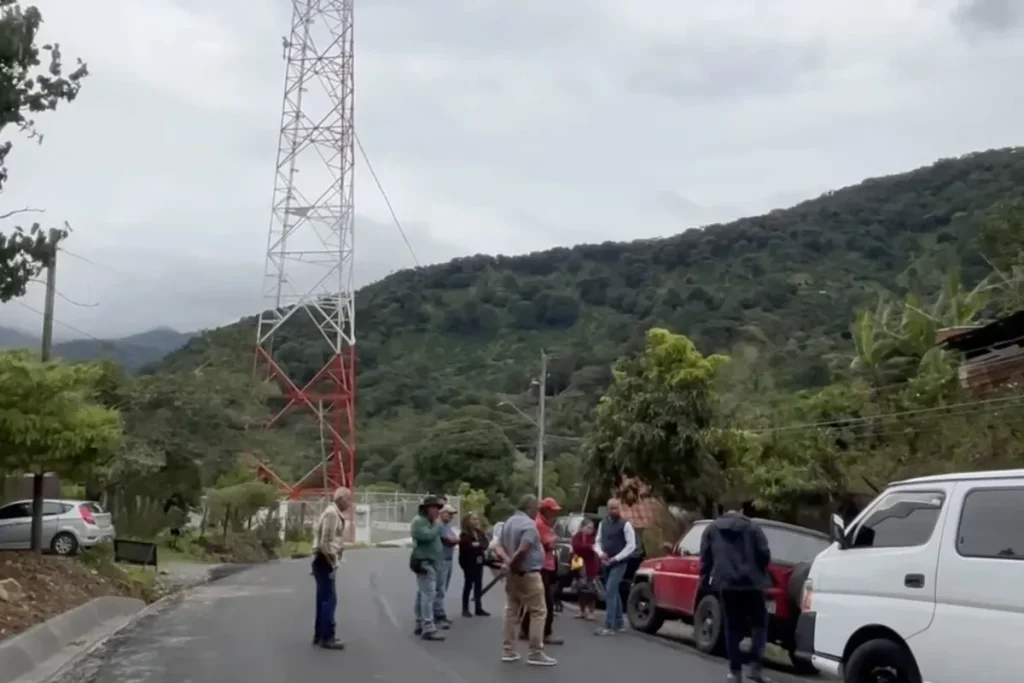
While the flood control elements grab headlines, they are woven into a rehabilitation effort that is reshaping connectivity across the region. The Alto Boquete-Caldera-Puente Los Valles corridor serves as a vital artery for coffee growers, tourism operators, and daily commuters. The 89 percent progress figure reflects freshly paved surfaces, reinforced edges, and improved signage. Officials argue that modernizing the roadway without fixing the underlying drainage would have been a half-measure, leaving fresh asphalt vulnerable to erosion and undermining long-term gains.
The integrated design draws on lessons learned from other flood-prone districts in Panama, where stormwater mismanagement turned million-dollar infrastructure projects into costly failures. By pairing roadworks with a dedicated drainage overhaul, the MOP is betting on durability. The channels feeding into the Caldera River are being calibrated to handle heavier flows that climate unpredictability may bring. Data from regional meteorological records shows a trend toward shorter but more intense rainfall events, making capacity planning essential.
What Lies Ahead Before the Rains Arrive
The final push will focus on connecting the new channel segments to the river outfall and testing their performance under controlled conditions. Once the rainy season begins, the real verdict will be delivered by the skies themselves. Residents like Ortega plan to keep a watchful eye on the first few storms, but their expectations have already shifted from dread to cautious confidence. The MOP has committed to monitoring the system closely and maintaining open lines with the mayor’s office to address any hiccups rapidly.
If the revamped drainage does its job, the benefits will extend far beyond flood prevention. Stable ground conditions will protect property values and reduce the hidden economic toll of constant cleanup and repairs. For Boquete, a town that has long banked on its cool climate and scenic charm to attract visitors and retirees, the message is clear: long-ignored infrastructure gaps are finally being filled. With 89 percent of the corridor now revived and the stormwater solution almost in place, the district is poised to face the coming rains on much steadier ground.