


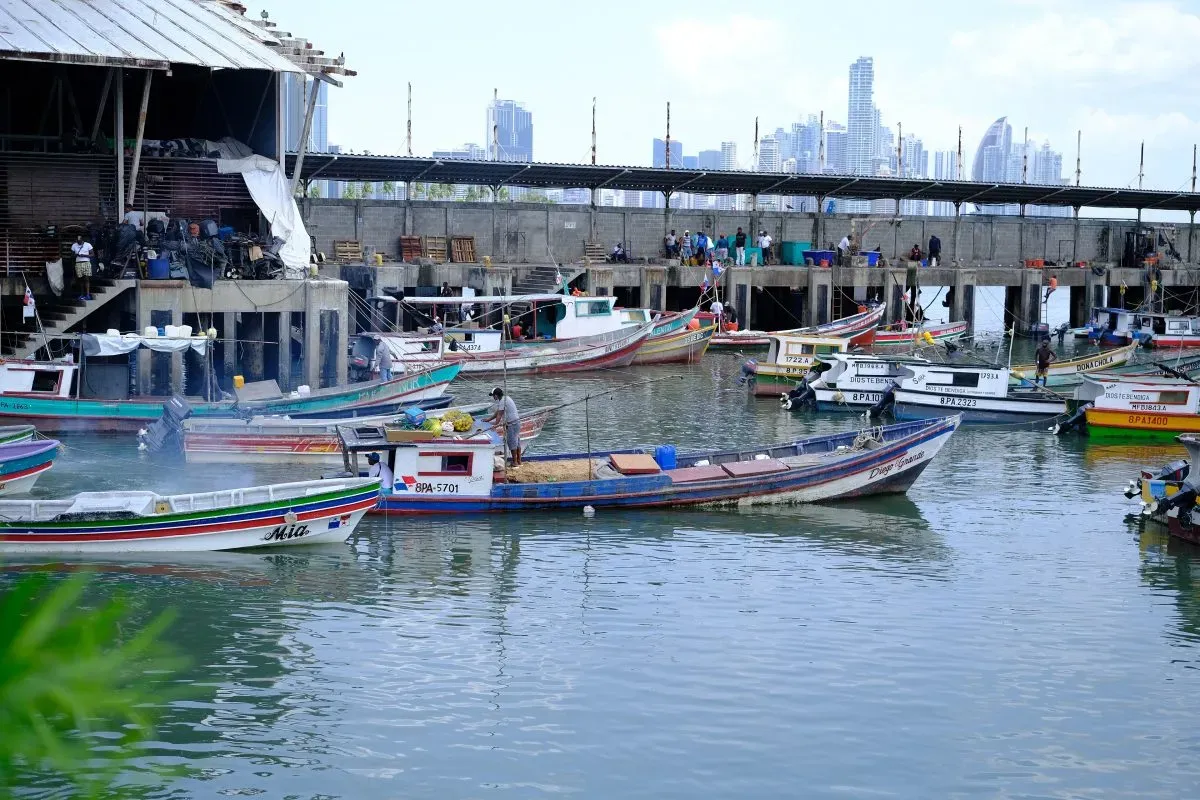
Panama City, Panama – High temperatures and the El Niño phenomenon are crippling artisanal fishing along Panama’s coasts. Fishermen now spend more days at sea just to catch enough fish to survive. The crisis is visible at major fishing hubs like Puerto Panama, where boat traffic and fish unloading have dropped sharply.
During a recent visit to the port, only one vessel was unloading its catch. Fishermen say this scene was unheard of just months ago. The warming ocean waters are driving fish away from coastal areas, forcing crews to travel farther and burn more fuel.
Fishermen Face Longer Journeys and Higher Costs
Jesús Morales, president of the National Federation of Fishermen (Fenaspesca), explained the situation in stark terms. “The El Niño phenomenon is affecting us because the productivity of species in the sea has decreased. With this warming of the water, the production is no longer the same production that we are accustomed to seeking in order to sustain our households,” Morales said. [Translated from Spanish]
“On the shores there is no fish, so we have to go out to sea to find the product. Boats that used to make trips of seven or eight days are now making almost 12 days,” Morales added. [Translated from Spanish]
This extended time at sea creates a cascade of problems. Vessels must now carry significantly more fuel. “Before you carried a certain amount of fuel, now you have to take two more tanks to have full control of your fishing day,” Morales explained. [Translated from Spanish]
Key Species Disappear from Catches
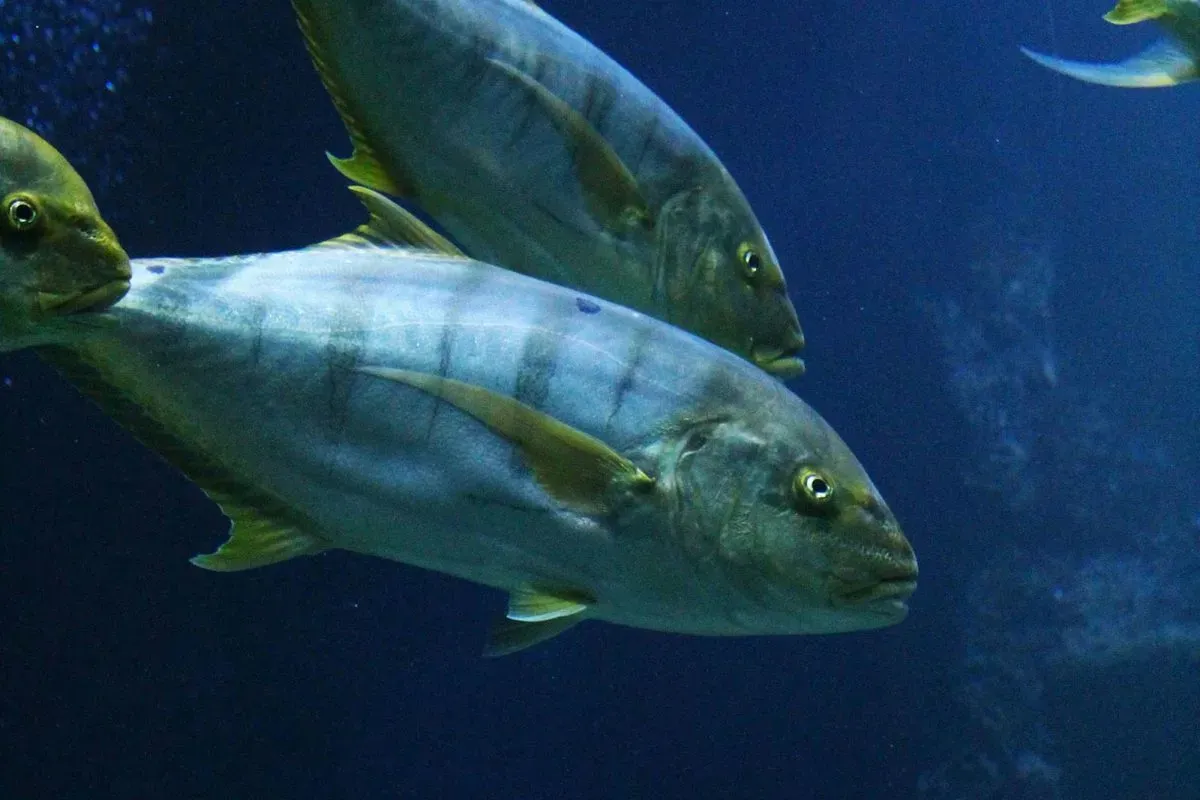
The impact on specific fish populations is severe. Species like corvina, sierra, and the mixed catch known locally as “revoltura” have all declined sharply. These fish are staples for Panamanian consumers. The Artisanal fishing in Panama sector, which supports thousands of families, is now struggling to maintain its supply chain.
“The decline is now in almost all species. Boats are bringing in around a thousand pounds of fish, including fine fish and revoltura,” Morales stated. [Translated from Spanish] The El Niño phenomenon impact is pushing marine life into deeper, colder waters. Fishermen have no choice but to follow them.
Morales explained the basic science behind the crisis. “The fish leave the shore and seek depth to take refuge from the heat. That forces us to spend more and make more effort to bring product,” he concluded. [Translated from Spanish]
Prices Drop Despite Rising Operational Costs
Here is the paradox. Fishermen are spending more money on fuel and longer trips. Yet the prices they charge for their catch have not gone up. In some cases, prices have actually fallen.
Morales provided specific numbers. “Corvina was between $3.50 and $3.75 and now it is at $2.75. Sierra also went down and the revoltura, which was at $25 or $35, is now selling for up to 85 cents,” he said. [Translated from Spanish] This price drop puts additional pressure on an already strained industry.
The combination of lower catch volumes and lower prices creates a dangerous financial squeeze. Many small-scale fishermen operate on thin margins. They cannot absorb these costs indefinitely.
What Comes Next for Panama’s Fishing Communities
The federation is now calling for government attention. Fishermen need support to adapt to these changing ocean conditions. Without intervention, the sector faces a difficult future.
Panama’s coastal communities depend heavily on this industry. The loss of fishing income ripples through local economies. Markets see less fresh fish. Families lose their primary source of protein and income.
Climate scientists warn that these conditions may become the new normal. Rising sea temperatures linked to global climate change could make El Niño events more frequent and intense. Panama’s artisanal fishermen are on the front lines of this global shift, fighting for their livelihoods one trip at a time.