


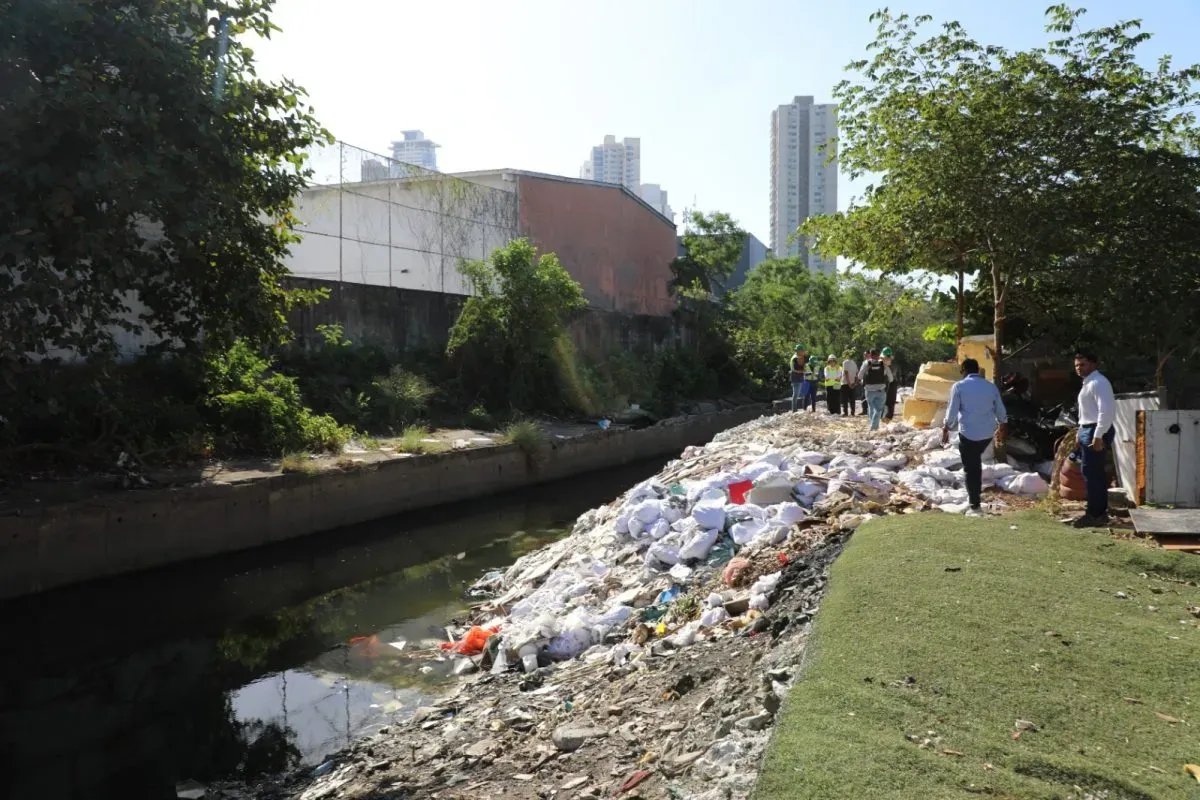
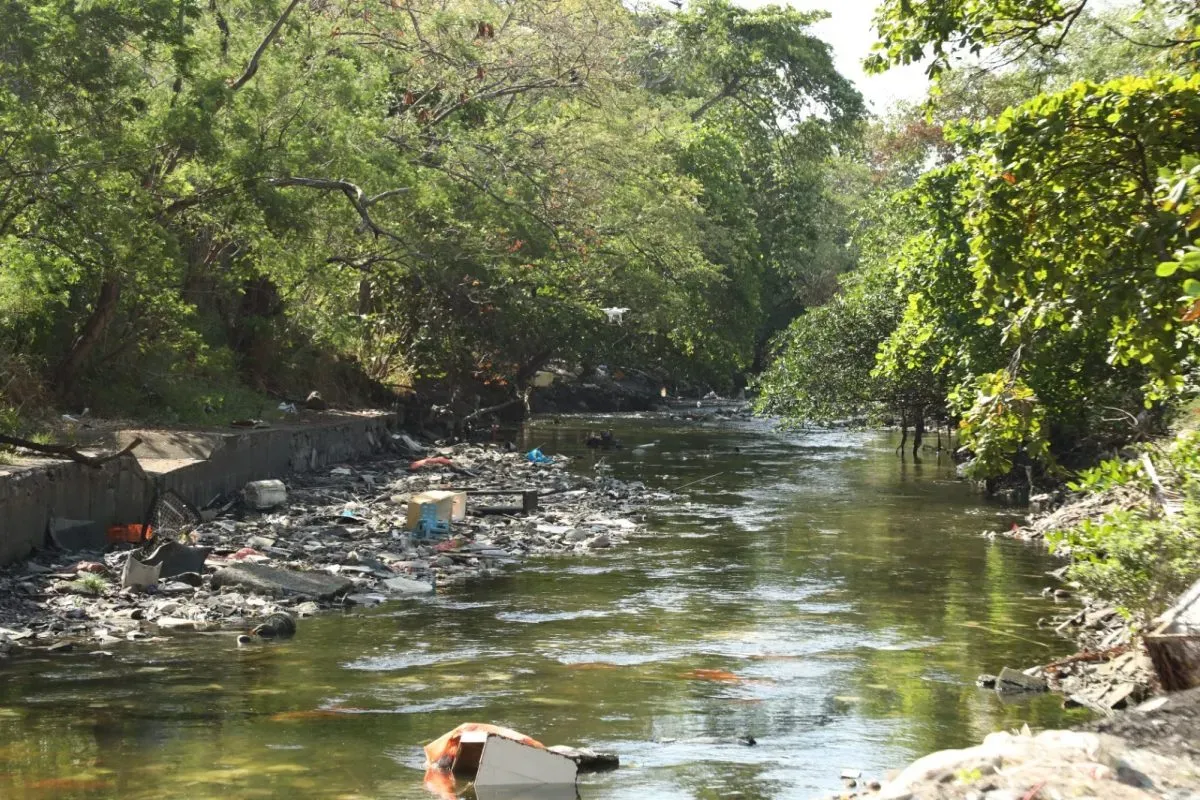
Panama’s Environment Minister, Juan Carlos Navarro, has issued a forceful condemnation of the severe pollution plaguing the River Abajo. During an inspection tour on March 17, 2026, Navarro witnessed firsthand the illegal dumping of construction debris and appliances clogging the waterway in the Puente del Rey sector of Panama Viejo. He labeled the situation an “environmental crime” and a form of “environmental suicide” that directly contributes to flooding risks for nearby communities.
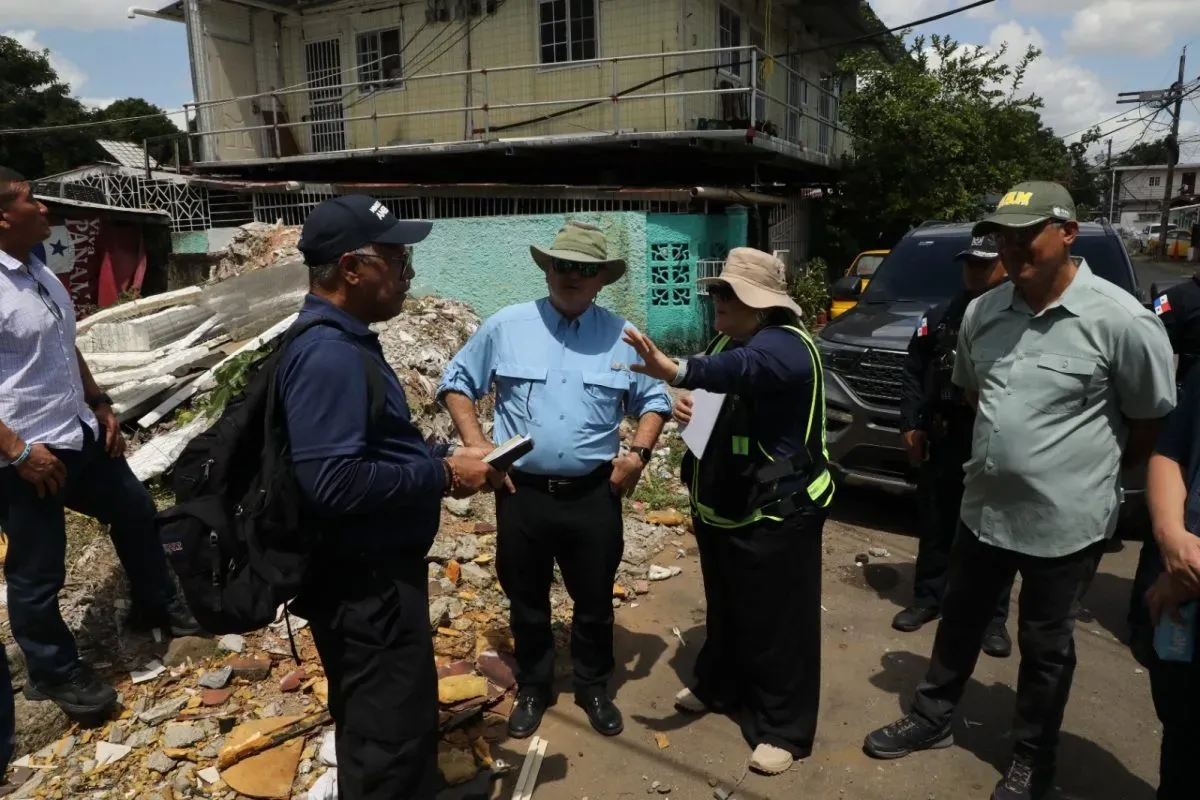
The minister’s stark assessment came during a major interagency operation led by the Ministry of Environment (Panama), known as MiAMBIENTE. The operation involved the National Police, the Ministry of Public Security, the Public Ministry, and the Urban and Household Sanitation Authority (AAUD). Its goal was to halt the illegal disposal of construction waste and bulky materials that are severely damaging this critical tributary flowing into the Panama Bay.
“We cannot allow that in the middle of Panama City we have turned the River Abajo into a dump,” said Minister Juan Carlos Navarro. [Translated from Spanish] “This destroys the health of the population here in Puente del Rey. It destroys the Panama Bay. Filling all this with construction debris is an environmental crime. The debris you see there causes flooding in all these houses. This is unacceptable, it is environmental suicide, it cannot be allowed.”
Authorities moved immediately to address the crisis. Teams from the AAUD began collecting accumulated trash and scrap metal from the Puente del Rey area to mitigate the immediate environmental impact. Simultaneously, enforcement actions included the detention, suspension, and seizure of equipment used in illegal activities. Officials also worked to identify the parties responsible for the waste.
Interagency Operation Targets Illegal Dumping Networks
The coordinated raid uncovered an organized system for illegal waste disposal. Authorities identified more than three specific dumping points. These locations included workshops and houses used for dismantling refrigerators, washing machines, and other scrap. Investigators also pinpointed five trucks dedicated to transporting these materials to the riverbank for illegal disposal.
Marilyn Garcia, Director of Environmental Performance Verification for MiAMBIENTE, emphasized the operation’s urgency. She stated that the illegal dumping is causing grave damage to the mangrove ecosystem and the Panama Bay while significantly raising flood risks for surrounding neighborhoods. Scientific studies for the area already confirm its vulnerability to flooding, Garcia noted, and adding tons of construction waste only worsens the danger.
“Today we are taking direct actions to eliminate and reduce the pollution caused by the illegal deposit of construction waste at the mouth of the River Abajo,” Garcia said. [Translated from Spanish] “This illegal practice is generating serious impacts on the mangrove ecosystem, the Panama Bay, and nearby communities, while significantly increasing the risk of floods.”
The government reiterated that all commercial or construction entities are legally responsible for the proper final disposal of their waste at authorized sites, such as the Cerro Patacon landfill. Dumping in rivers or other unauthorized areas constitutes a serious environmental crime. The ongoing river pollution not only harms ecosystems but also creates a tangible public safety hazard for Panamanians living nearby.
Legal Repercussions and a Call for Public Vigilance
Minister Navarro confirmed that the situation has triggered formal legal proceedings. MiAMBIENTE is opening administrative case files against violators. The Public Ministry will advance corresponding criminal investigations to ensure those responsible are held accountable in court. “Our objective is for this not to happen again,” Navarro stated. “We are going to clean up, but above all, to prevent.”
Beyond enforcement, the minister made a direct appeal for citizen cooperation. He called on the public to assume an active role in protecting natural resources by reporting suspicious dumping activity. The Ministry of Environment (Panama) encourages reports through its 311 hotline, institutional social media channels, or other official communication methods.
Navarro, who has previously advocated for stronger conservation measures such as the recent update to juan carlos navarro, framed the issue as a national priority. He connected the health of the river to the wellbeing of the population and the country’s future. The cleanup at River Abajo represents a critical test of Panama’s ability to enforce its environmental laws in urban areas. Its success or failure will likely influence future strategies for protecting the nation’s waterways from similar destructive practices.