


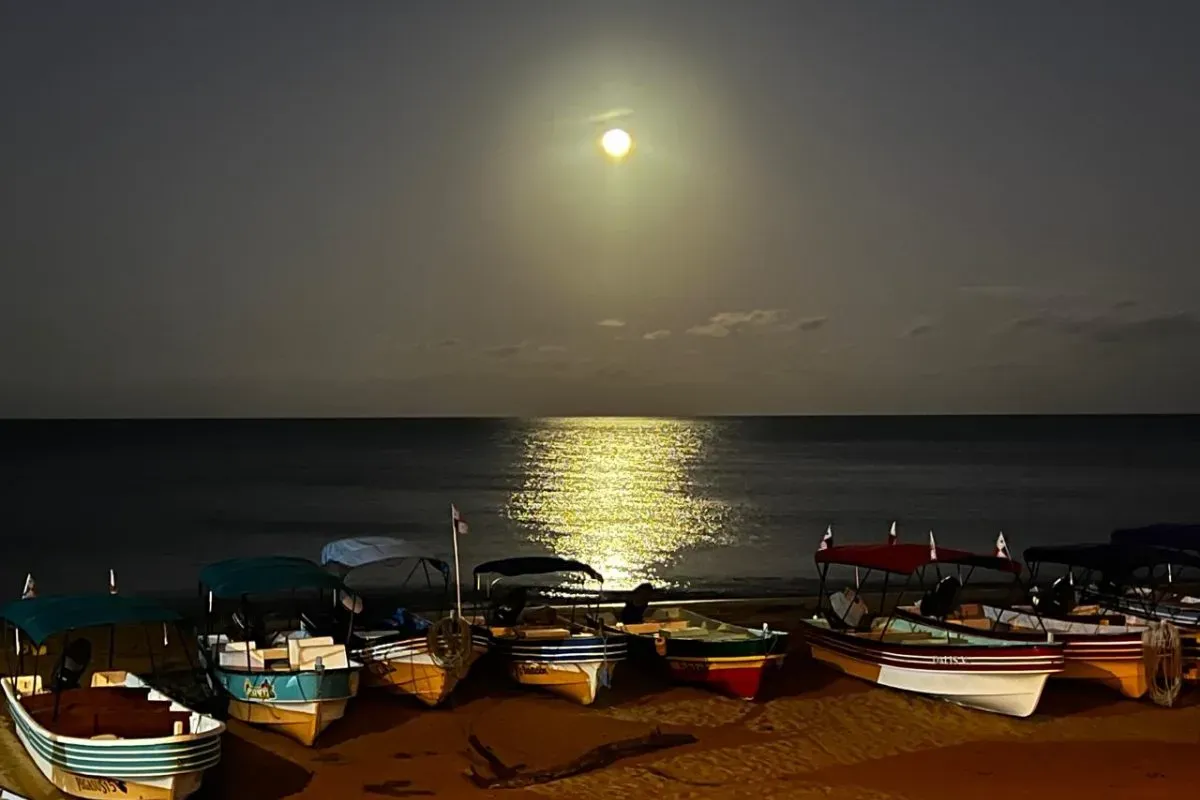
Expatriates seeking traditional Panamanian culture and Pacific coastline beauty are increasingly drawn to the country’s Azuero Peninsula. The region spanning from the commercial hub of Chitré to the colonial town of Pedasí presents a compelling blend of affordability and lifestyle. Successfully settling in this area, however, depends on understanding a single, non-negotiable factor: securing a reliable water supply in the arid zone known as the Arco Seco (Dry Arch).
This part of Panama receives significantly less rainfall than other provinces. The dry season from January to May tests local infrastructure annually. For newcomers, navigating water security is the paramount task, often more urgent than finding a home or learning Spanish.
Chitré Serves as a Commercial Gateway for the Region
Most arrivals begin in Chitré, the capital of Herrera province. It functions as the peninsula’s primary service and commerce center. Expats find supermarkets, medical clinics, and other urban amenities here that are absent in smaller coastal villages. The city is also a benchmark for affordability within Panama.
A modest Panamanian-style home can often be purchased for less than $100,000. Daily living costs remain low, with complete local lunches available for a few dollars. This economic accessibility makes Chitré a practical base for many. It is a common first stop for those exploring real estate and lifestyle options across the wider peninsula.
Pedasí’s Coastal Charm Attracts a Growing Expat Community
Roughly an hour south of Chitré, the town of Pedasí offers a different appeal. Its colorful colonial architecture and quiet plaza have made it a favorite for North American and European settlers. The pace of life slows considerably here. The community supports a variety of small, owner-operated restaurants and cafes that cater to both locals and foreigners.
World-class beaches like Playa Venao and Playa El Arenal are minutes away. These spots are renowned for surfing, fishing, and pristine natural environments. The area is a heartland for traditional panamanian culture, hosting vibrant festivals throughout the year. The allure is clear, but it comes with a specific set of practical challenges tied directly to the geography.
“The charm of living close to nature in Azuero is inseparable from managing your basic resources,” said a long-term resident and community organizer in Pedasí. [Translated from Spanish] “Your dream home is worthless if the taps run dry for days. Everyone here learns that lesson quickly.”
Seasonal water shortages are a documented reality for the national utility, IDAAN (Institute of National Aqueducts and Sewers). Service interruptions can last from a few hours to entire days, depending on location and time of year. Properties on the outskirts of town or on higher ground are typically most affected. This reality turns water from a simple utility into a primary planning concern.
Private Wells Are a Standard Solution for Reliable Water
For homes outside Pedasí’s central grid, drilling a private well is standard practice. Experts and seasoned residents agree that a shallow well is a risky investment in this region. The peninsula’s water table experiences dramatic seasonal fluctuations.
A well drilled to only 100 feet might provide water for much of the year. It can fail completely during an intense dry season. The widely recommended minimum depth for a reliable year-round source is 200 feet. This deeper drilling reaches more stable aquifers less susceptible to seasonal drought, providing peace of mind for homeowners.
Choosing the right drilling contractor is critical. Local references are essential because knowledge of specific underground formations varies by area. A driller familiar with the Azuero Peninsula‘s geology will have a better success rate. Homeowners must ensure their contract specifies the minimum depth and includes a high-quality submersible pump capable of operating at that depth.
This represents a classic significant infrastructure challenge where personal investment fills a public service gap. The upfront cost for a proper deep well and pump system can reach several thousand dollars. It is considered a fundamental part of the property’s value.
Infrastructure Demands a Proactive and Prepared Mindset
General infrastructure in the Azuero follows a similar pattern of self-reliance. Electrical outages occur, especially during the windy January and February months. Many residents install backup generators. Roads to beautiful, remote areas like Playa Venao require cautious driving and regular vehicle maintenance.
The trade-off for these inconveniences is a notably lower cost of living. A couple can live comfortably in the Pedasí area on a monthly budget of $1,500 to $2,000, including rent. Panama’s Pensionado visa program offers additional discounts on services, medical care, and entertainment. This financial accessibility makes the region attractive to retirees and remote workers.
“You are buying a lifestyle, not just a house,” explained a real estate agent based in Las Tablas. [Translated from Spanish] “The people who thrive here are practical. They budget for a water tank and a generator first, then for furniture. They understand that managing these things is the price of admission for paradise.”
That lifestyle budget must include a reserve fund for infrastructure upkeep. Replacing a well pump or a generator represents a major, unexpected expense. Prospective buyers are advised to speak directly with potential neighbors about utility history before purchasing any property. Verifying the details of your contract with a local lawyer is also a critical step.
The Azuero Peninsula delivers a unique proposition. It combines profound cultural authenticity, natural beauty, and financial accessibility. The key to unlocking that promise lies in prioritizing practical infrastructure, with water security at the very top of the list. For those willing to plan deeply, the reward is a deeply rooted life in one of Panama’s most authentic regions.