Opening a bank account in Panama is a critical step for new residents, but the process can vary from simple to surprisingly complex. Success hinges on understanding the country’s strict regulatory environment and preparing a flawless application. Legal professionals specializing in relocation warn that inadequate preparation is the primary reason for delays and rejections.
Panama hosts over 80 banks, positioning itself as a significant financial hub. This very status requires institutions to enforce rigorous international compliance standards. The system places a heavy emphasis on verifying a client’s global identity and the legitimate source of their funds. Applicants must approach the task with a strategy often compared to assembling a professional portfolio.
Core Documentation Forms the Foundation
Your passport serves as the primary identification document. Banks typically demand color copies of every single page to scrutinize travel history. A second government-issued ID from your home country is also mandatory. Experts stress that even these basic requirements can create obstacles if documents are not perfectly presented.
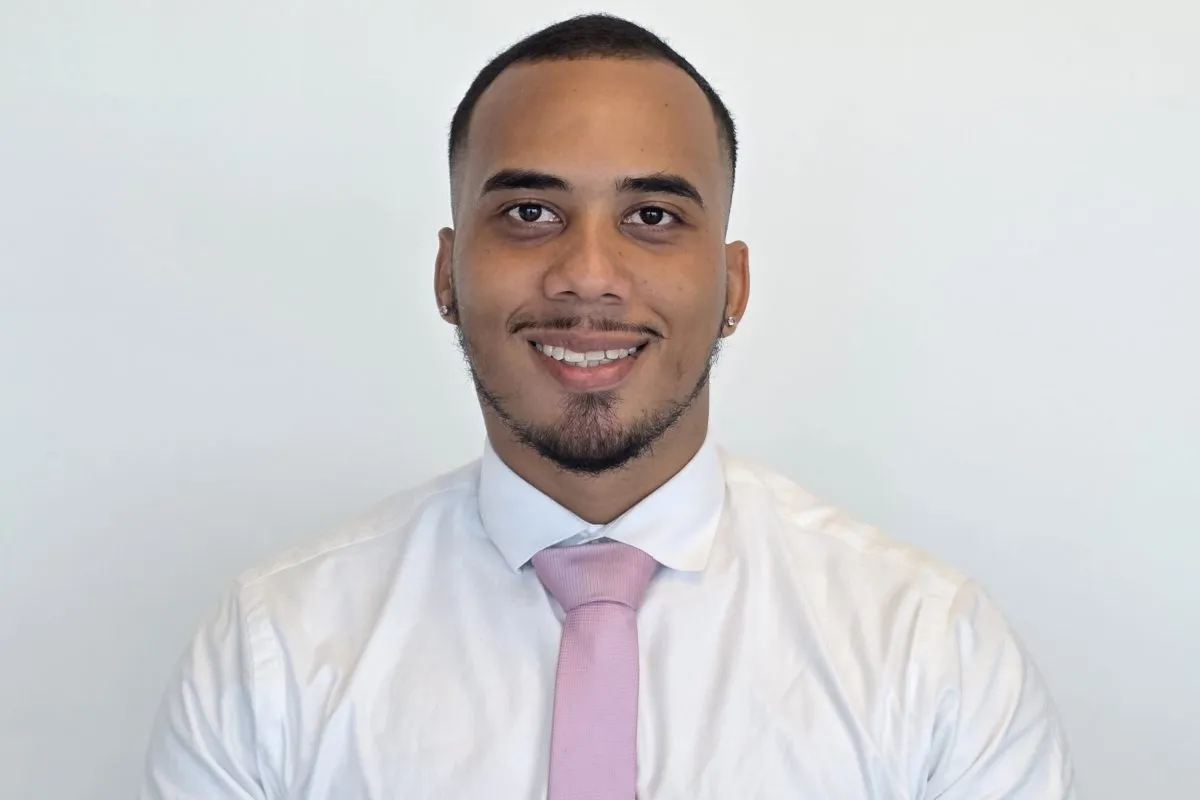
“Opening a bank account in Panama can either be a straightforward process or a very challenging one,” said Edgar Landazuri, a strategic legal assistant. [Translated from Spanish] “The reality is that several factors can complicate the process, especially when the correct documentation is not properly prepared.”
This meticulous verification extends to proving your immigration status within Panama. Banks need to see a clear legal reason for your presence. A residency card, a formal lease agreement, or a property deed provides the necessary context. It demonstrates a tangible connection to the country beyond simply opening a bank account.

Proof of Income Requires a Clear Paper Trail
Panamanian banking law obligates institutions to trace the origin of client funds. Applicants must construct a verifiable narrative of their wealth or regular income. This requirement applies equally to retirees, remote workers, and business owners. The burden of proof rests entirely on the individual seeking the account.
Standard requests include the last two years of tax returns from your home country. Banks also examine three to six months of statements from an existing account to show consistent financial activity. A professional reference letter from a previous bank is frequently required. This letter should confirm a long-standing and satisfactory relationship.
“One of the most important documents required when opening a bank account is proof of the source of your incomes,” Landazuri explained. [Translated from Spanish]
This intense focus on financial transparency is part of Panama’s commitment to robust Know Your Customer (KYC) protocols. The goal is to prevent financial crimes and ensure systemic integrity. For the expat, it means every dollar entering the new account must have a documented origin story.
Strategic Preparation Prevents Common Pitfalls
The difference between a smooth application and a months-long struggle often lies in minor details. A missing signature, an uncertified translation, or an outdated document can derail the entire process. Banks operate on a binary standard where incomplete files are simply rejected without negotiation. This reality fuels many expat frustrations with local financial services.
Landazuri advocates for a documentation-first philosophy for all formal processes in Panama. He identifies poor preparation as the root cause of most banking difficulties reported by newcomers. Ensuring every item is accurate and complete from the outset saves immense time and energy. It transforms the application from a hopeful request into a demonstration of reliability.
“Ensuring that all required documents are accurate, complete, and properly prepared can save a significant amount of time and unnecessary complications,” Landazuri stated. [Translated from Spanish]
Professional guidance is valuable because Panamanian banks develop specific client preferences. Some institutions cater more effectively to retirees with pensions. Others specialize in services for international entrepreneurs or digital nomads. Knowing which bank aligns with your profile is a strategic decision that affects the likelihood of approval. An advisor can navigate these nuances.
Treating your application with professional seriousness signals to the bank that you are a low-risk client. It shows respect for the regulatory framework and an understanding of commercial formalities. This approach not only secures your properly prepared financial foundation in Panama. It also establishes a positive relationship with an institution that can support your long-term goals in the country.