


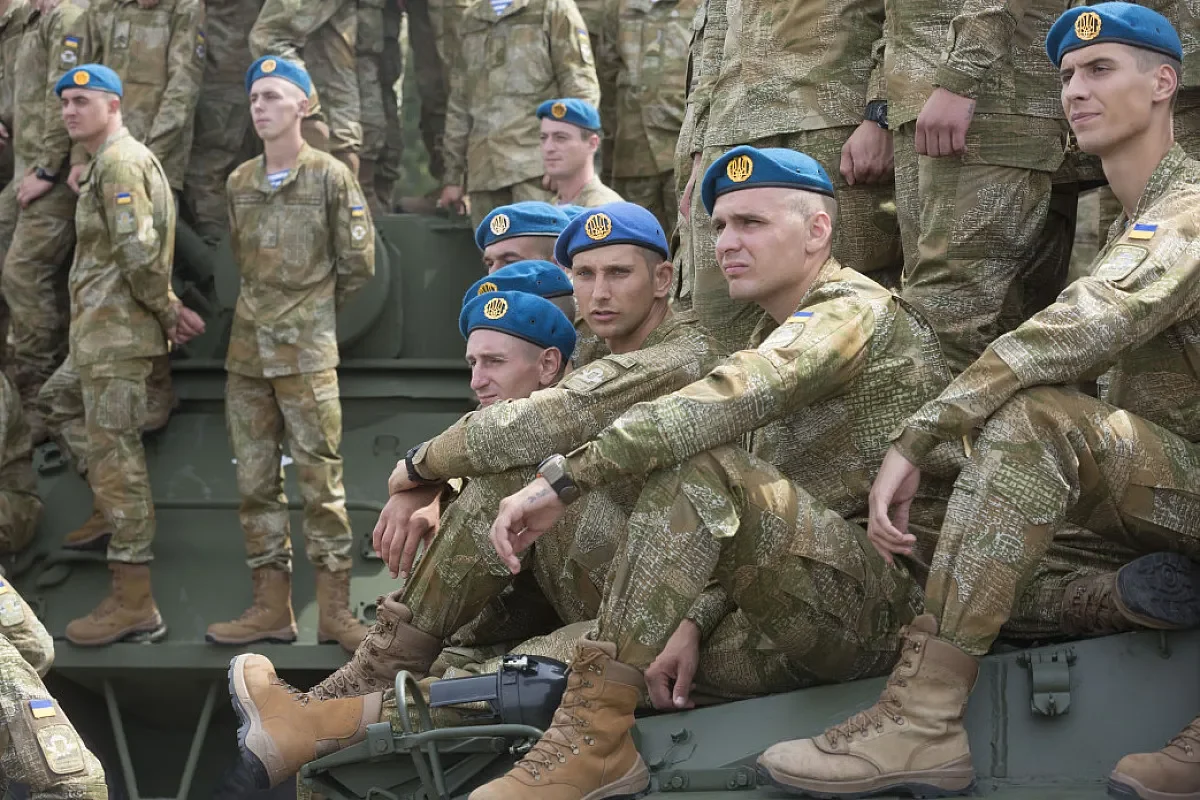
A Panamanian diplomat crossed into active combat territory to personally escort two citizens out of Ukraine, a mission that will see Edmar Camacho and Efraín Calvo arrive home safely today, on Sunday, August 9, 2026. The two Panamanians return from Ukraine after what the Foreign Ministry described as a complex consular operation, one that required direct coordination with Ukrainian authorities and an overland journey through the war zone to neighboring Poland. Their evacuation marks the final piece of a broader repatriation effort involving seven Panamanian nationals linked to the ongoing Russia-Ukraine war.
A Diplomat Crosses Into the War Zone
Aldo Rodríguez, a career diplomat stationed at Panama’s Embassy in Poland and concurrently accredited to Ukraine, didn’t wait at the border. He traveled deep into Ukrainian territory to locate the two men and guide them to safety. The foreign ministry confirmed that Rodríguez established contact with Camacho and Calvo, reached a predetermined meeting point, and remained with them throughout the entire route until they crossed into Polish territory. The operation, officials said, concluded without incident and under secure conditions.
The risky move drew praise from the Panamanian government, which highlighted Rodríguez’s willingness to enter a conflict zone to fulfill his duty. Coordination with Ukraine proved essential. Panama’s foreign ministry publicly thanked Ukrainian Foreign Minister Andrii Sybiha for his government’s collaboration, noting that the joint diplomatic work made the safe passage possible. After crossing the frontier, the two Panamanians spent two nights in Poland resting and recovering from the exhausting journey before boarding a KLM flight on the Warsaw-Amsterdam-Panama route that will bring them home this weekend.
Seven Panamanians Return from Ukraine and Russia in Coordinated Effort
The rescue of Camacho and Calvo is part of a larger wave of consular assistance. Just days earlier, four other Panamanians who had been under the protection of the diplomatic mission in Russia landed in Panama City on a Turkish Airlines flight. That group included Orlando Murillo Murillo, Dionel Villarreta Ovalles, Rennie Blake Gladstone Adolphus, and Emmanuel Isaac Robert’s Bryan. A fifth citizen, Adrián Gabriel González, had already returned to Panama on August 5. With the arrival of the final two men from Ukraine, all seven Panamanians who received direct embassy support in the context of the war will have been repatriated.
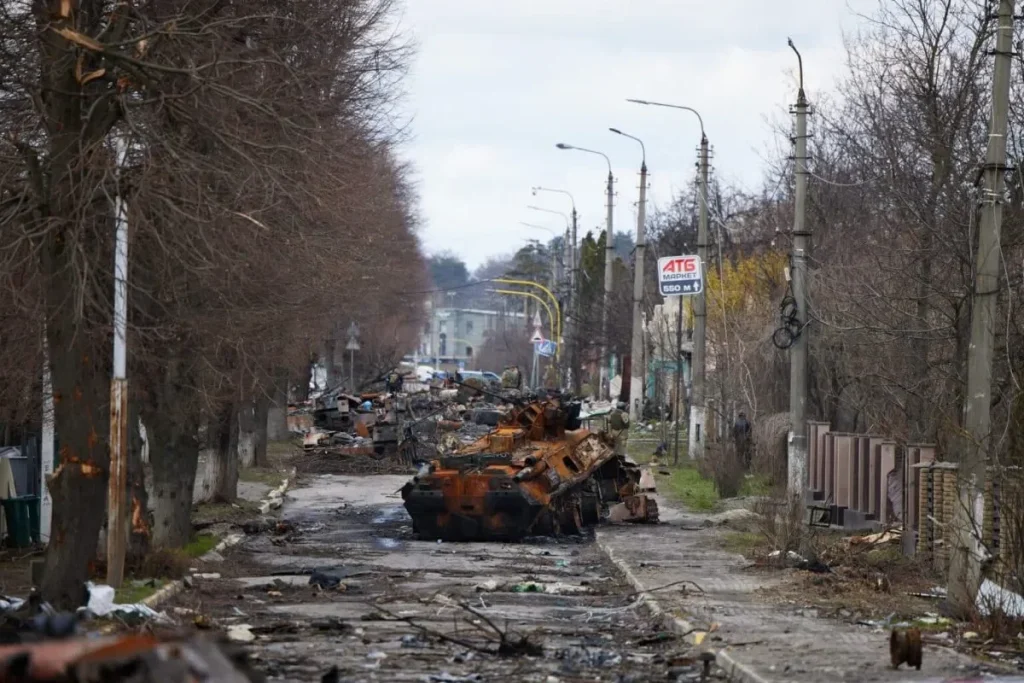
The dual-track operation, spanning both Moscow and Warsaw, underscores the delicate balancing act Panamanian diplomats navigated. Access to consular services inside active war zones is notoriously difficult, and the ability to extract citizens from both Russia and Ukraine in a single week represents an unusual logistical achievement for a small nation with limited diplomatic footprint in Eastern Europe. Authorities have not disclosed the specific circumstances that placed these individuals in harm’s way, but the foreign ministry’s careful language made clear that each case required individualized handling across multiple jurisdictions.
Broader Concerns Over Panamanians in the Conflict
The repatriations come amid growing official acknowledgment that roughly 30 Panamanians are involved in the Russia-Ukraine war. Presidency Minister Juan Carlos Orillac addressed the sensitive subject directly, rejecting any simplistic narrative that economic desperation alone drove these citizens toward the battlefield.
“This is a very particular matter for each of them, who made the decision for different reasons,” Orillac stated. [Translated from Spanish]
He added that many of those involved are adults with prior experience, some having previously served in Panama’s security institutions before retiring or leaving for other reasons.
The minister’s remarks push back against assumptions that unemployment is the sole factor, instead pointing to a more complex mix of personal motivations. Panama, a country that abolished its standing army decades ago, Still produces a steady stream of former security personnel whose skills can attract recruitment from foreign conflicts. Official sources have not elaborated on which side of the war any of the 30 individuals are fighting on, nor have they detailed the legal implications under Panamanian or international law. The government’s public posture remains focused on consular assistance rather than adjudicating the choices of its citizens abroad.
For now, the immediate priority is the safe return of the seven who sought help. The final flight carrying Camacho and Calvo will close this specific chapter of diplomatic intervention. Yet the presence of some two dozen other Panamanians still inside the war zone leaves open difficult questions about future repatriations and the extent to which a small nation can protect its people once they enter the fog of war.
Ultimately, the successful extraction of the last two men from Ukrainian soil stands as a testament to the behind-the-scenes diplomacy that often goes unnoticed until a crisis forces it into the open. As the plane touches down in Panama this Sunday, the nation will have completed a delicate rescue that spanned front lines, borders, and the quiet courage of a diplomat who walked into a war to bring his countrymen home.