


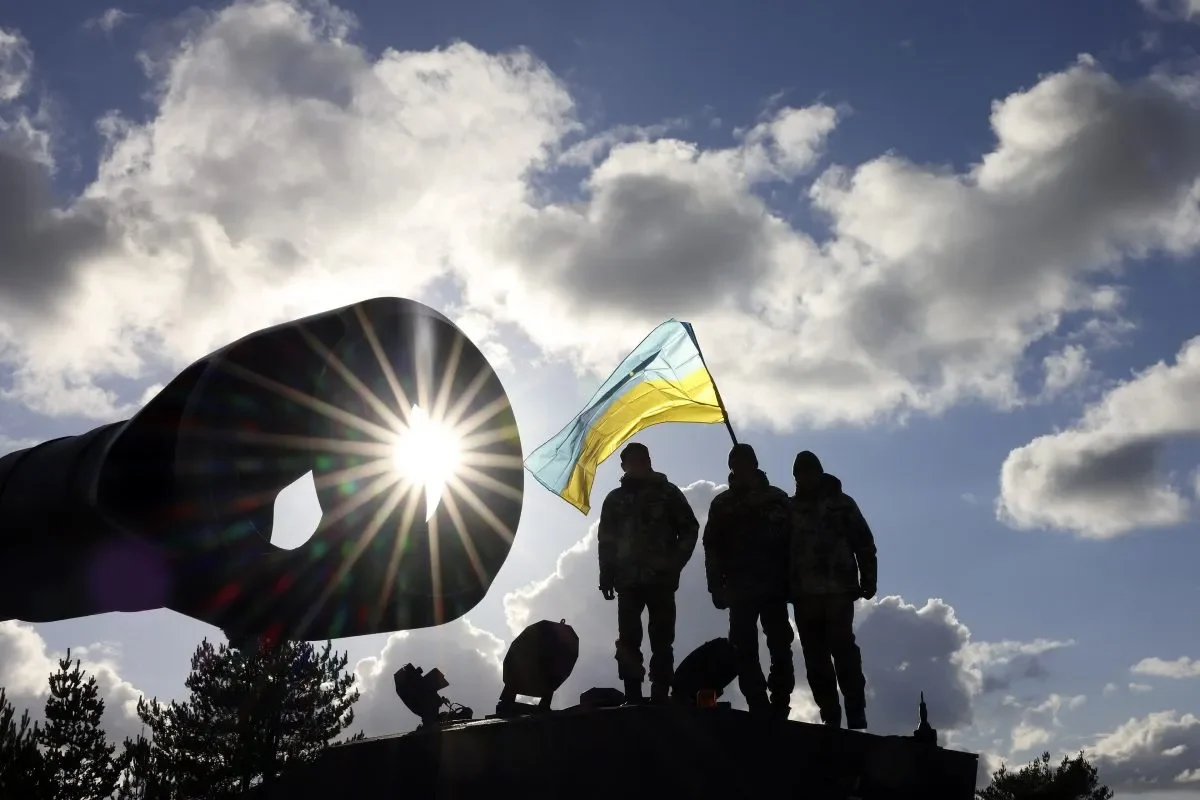
At least one Panamanian has died fighting for Russian forces, while families of 23 others remain in agonizing uncertainty. The Ministry of Foreign Affairs has now confirmed that 19 citizens are linked to Russia’s armed forces and 5 to Ukraine’s, drawing a clearer picture of the tangled human toll the distant conflict is taking on the Central American nation. The growing number of Panamanians in Russia-Ukraine war zones has triggered urgent diplomatic meetings and a stark warning from officials about clandestine recruitment networks preying on vulnerable people.
Families Turn to Diplomats for Answers
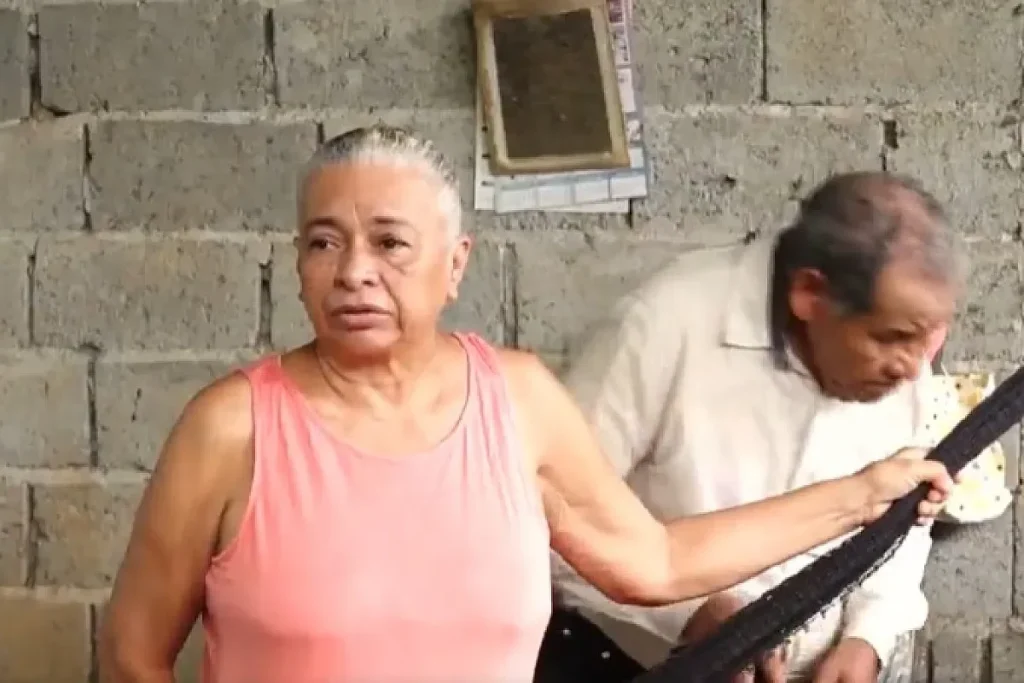
The government’s ability to update the tally did not come from battlefield reports or military intelligence. It came from knocks on the door of the Foreign Ministry. Relatives, desperate for any scrap of information about sons, brothers, and fathers who left home and never returned, have approached authorities seeking orientation and a direct line of communication. Vice Minister of Multilateral Affairs and Cooperation Carlos Guevara Mann said those family contacts are what made the headcount possible.
What they are learning is grim. Among the 19 Panamanians identified with Russian units, some remain in active combat, others have simply vanished, and at least one is confirmed dead on Russian-controlled soil. The five citizens serving alongside Ukrainian forces are also being tracked, though their status remains less documented. For the families of the missing, the silence is its own kind of war. The ministry has not released names or details about the fallen individual, but the confirmation of a death has sharpened official concern about a phenomenon that shows no sign of stopping.
Diplomatic Meetings Intensify Over Panamanians in Russia-Ukraine War
Behind closed doors, Panamanian diplomats have pressed both sides of the conflict. Officials have met repeatedly with Russia’s ambassador in Panama City to raise individual cases and convey the executive branch’s disquiet. On the other front, consultations with Ukraine’s chargé d’affaires have been scheduled to assess the condition of nationals fighting under the Ukrainian banner. These are not routine consular check-ins. A nation that prides itself on neutrality is suddenly juggling the lives of two dozen citizens who ignored its foreign policy and walked into artillery range.
Guevara Mann was careful to underline that every single Panamanian known to be in the war zone went voluntarily. There is no draft, no state deployment, no treaty obligation pulling them there. That fact makes the diplomatic push both more delicate and more urgent. Panama has no legal means to extract its citizens from foreign military service, but it can try to track them, lobby for their humane treatment, and, if the worst happens, bring their remains home. The vice minister’s tone made clear the government will not abandon them even if it cannot stop them.
Volunteers or Victims of a Recruiting Machine
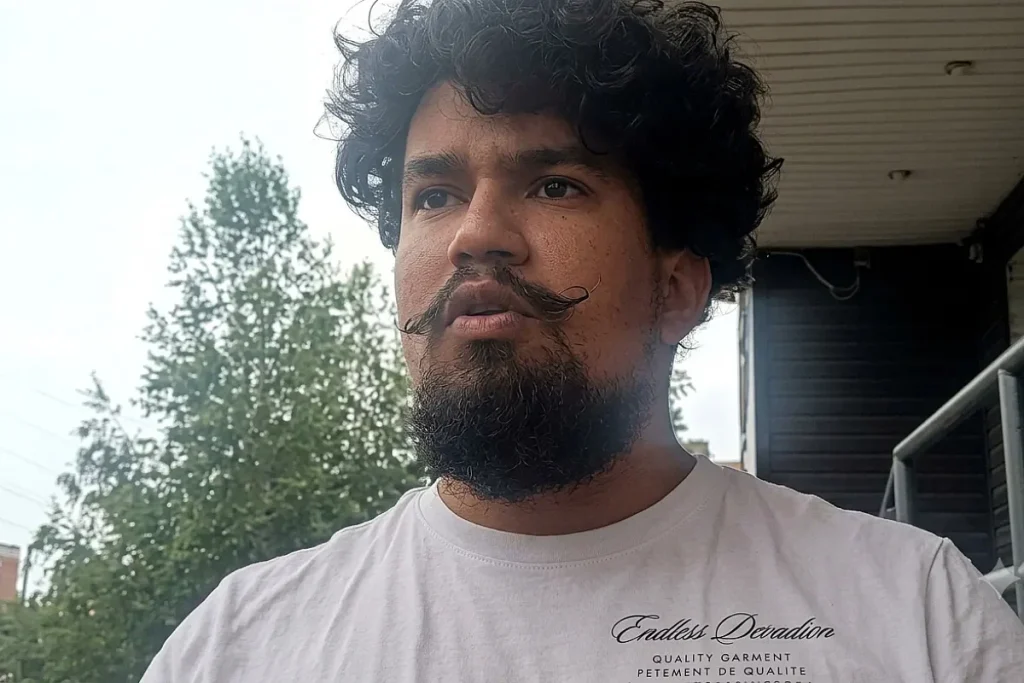
Dig deeper and the narrative of voluntary service starts to fray. Investigators and reports reaching the Foreign Ministry point to structured recruitment operations, groups and individuals actively scouting for human resources to feed into the front lines. The ministry has stopped short of naming any organizations, but the alarm is unmistakable. People are being recruited, not just inspired by ideology or adventure, and they are being shipped into a key brutal artillery wars of the 21st century.
The path from Central America to the trenches of Donetsk or Zaporizhzhia is not a spontaneous journey. It often runs through online messaging apps, promises of good pay, citizenship fast tracks, or a sense of purpose that desperate circumstances can magnify. Former combatants who have returned have warned that reality looks nothing like the recruitment pitch. The ministry insists that Panama is at peace with all nations and takes no side in the conflict, a position that should eliminate any patriotic justification for fighting. And yet, the numbers keep climbing.
A Warning from Panama City
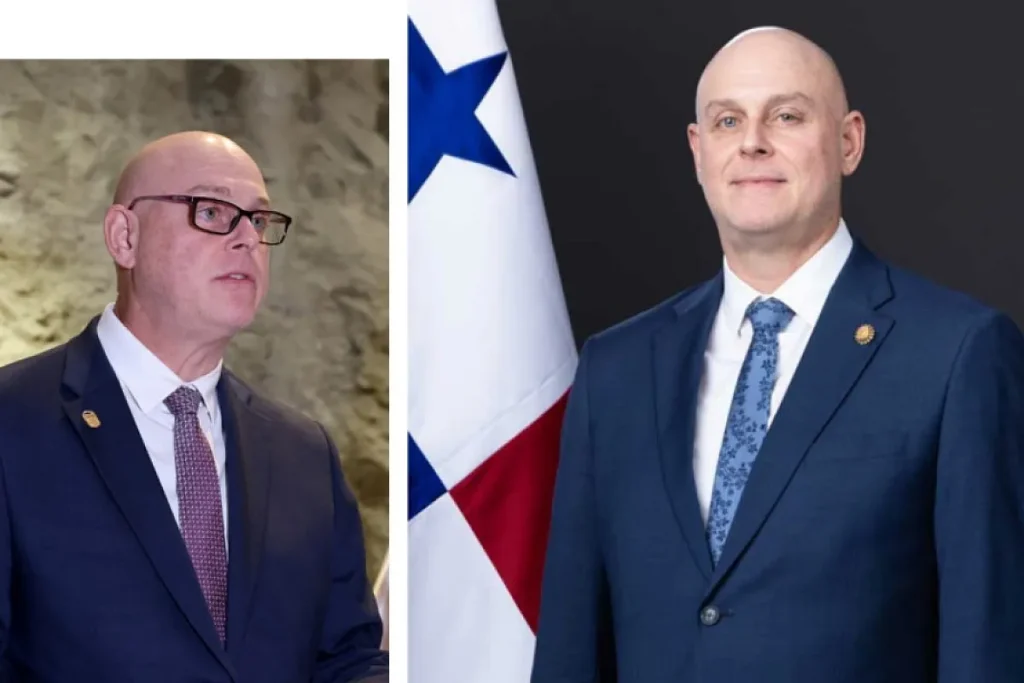
The government’s message is blunt and directed at anyone tempted to listen to a recruiter’s sales pitch. Guevara Mann put it in terms that leave no room for interpretation.
“Panama is not at war with any country and does not participate in any war conflict, so there is no reason whatsoever for citizens to get involved in foreign combats.” [Translated from Spanish]
He added that the consequences are almost always tragic, bringing suffering, anxiety, unrest, and, in the worst cases, loss of life to the fighters and their families. The warning comes as the broader war grinds through its third year since Russia’s full-scale invasion in February 2022, though the roots of the conflict stretch back to the annexation of Crimea in 2014.
For Panama, the priority now is to stop the bleeding before more names are added to the list. The diplomatic channels remain open, but the real battle is here at home, dismantling the networks that turn economic desperation or misplaced adventurism into a one-way ticket. The 24 Panamanians in Russia-Ukraine war zones are a reminder that even a nation 11,000 kilometers from Kyiv can find its citizens swallowed by a conflict they had no business joining.