


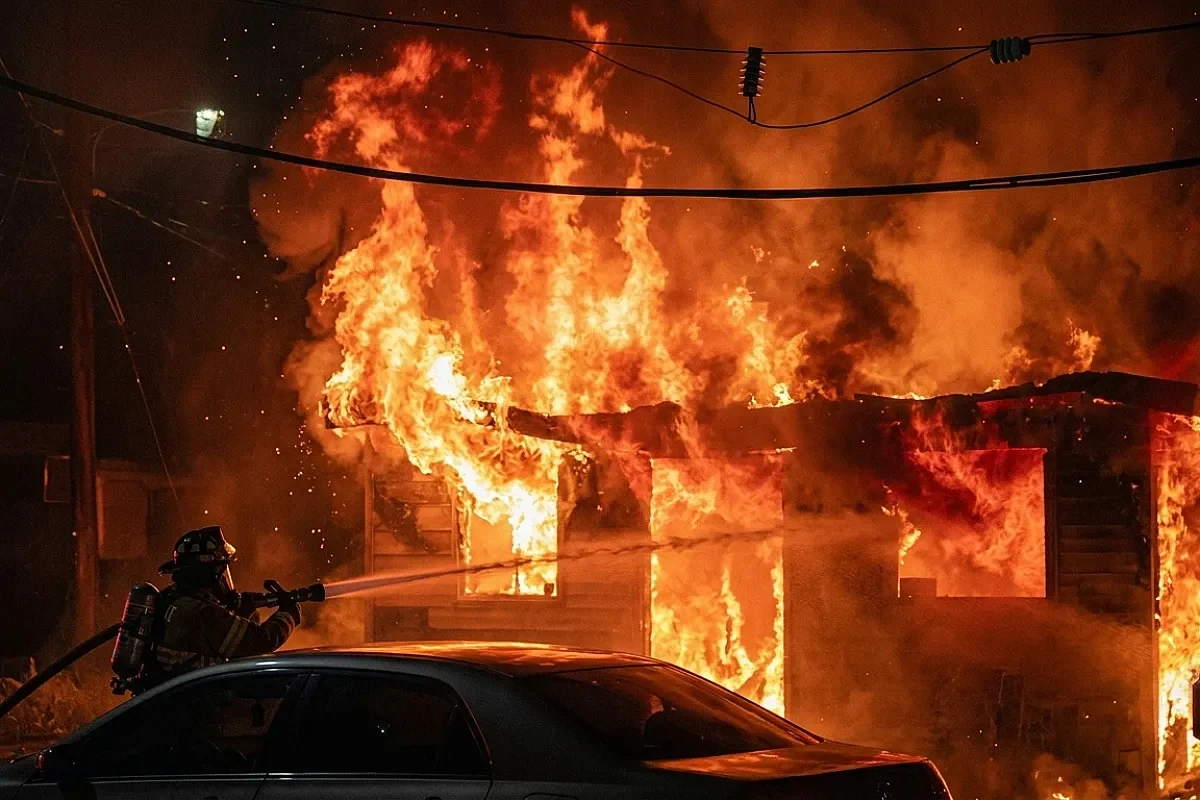
A fire in Colon ripped through three tightly packed homes in the historic port city during the predawn hours of Thursday, leaving behind severe structural damage but no casualties. The blaze, reported around 3:00 a.m., quickly devoured the buildings on Calle 2 between Avenida Herrera and Avenida Amador Guerrero, a densely populated stretch where flames can leap from rooftop to rooftop in minutes. Firefighters scrambled to stop the inferno from spreading farther down the block, and by the time the last ember was doused, three families had lost nearly everything.
Rapid Spread Through Adjacent Structures
What started as a fire in one residence rapidly turned into a nightmare for the entire row of homes. Neighbors described hearing crackling sounds and then seeing an orange glow that intensified faster than anyone expected. Within moments, the fire had jumped to the two houses on either side. The close quarters typical of Colón’s older barrios left little buffer zone, and combustible materials inside the structures fed the flames. Residents fled into the street in nightclothes, some barely having time to grab personal documents before the roofs collapsed.
Emergency dispatchers received the first calls at approximately 3:00 a.m., and fire engines were on the scene within minutes. Crews stretched hoses into narrow alleyways and worked from multiple angles to cut off the fire’s advance. Their rapid containment prevented a much larger disaster, as several other homes stood just meters away. The block remained cordoned off through the morning, with charred beams and shattered glass littering the sidewalks.
Fire in Colon Triggers Investigation into Cause
Once the flames were fully suppressed, inspectors from the Fire Department’s Safety Office eased into the debris to search for clues. Determining the origin of the fire in Colon is now the priority, with specialists focusing on the house where the blaze is believed to have started. Electrical malfunction often tops the list of suspected causes in neighborhoods where wiring is decades old and not always up to code. A preliminary report is expected within days, though full analysis could take longer if laboratory testing is required.
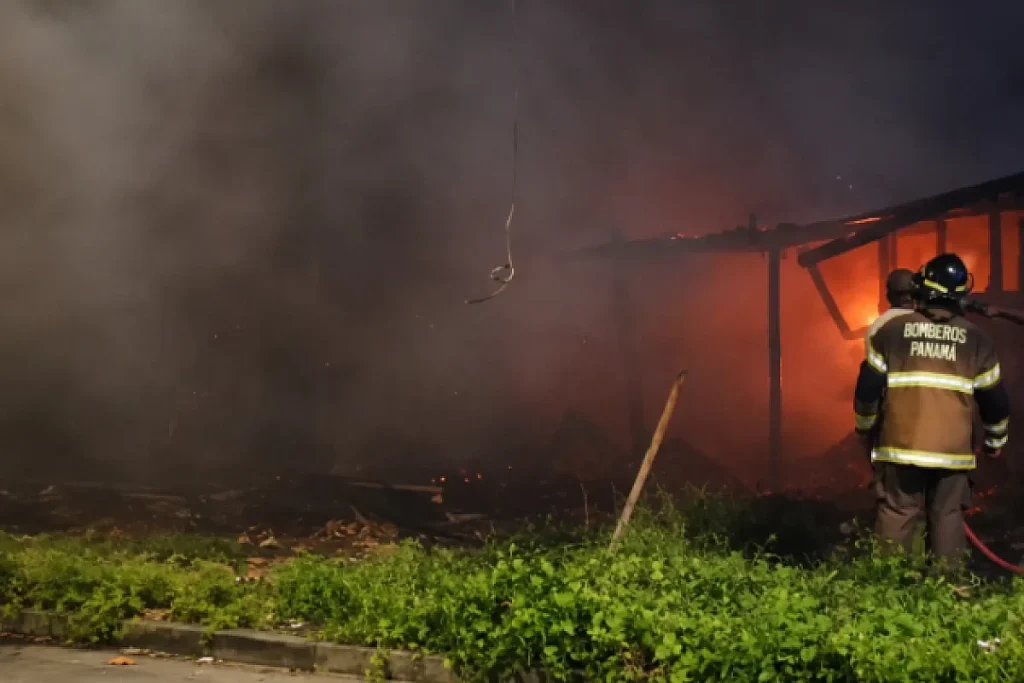
Fire officials stressed that while property loss was total for the three homes, the outcome could have been catastrophic. Subteniente Luis Moreno of the Fire Department addressed the operation’s toll.
“Fortunately, we managed to extinguish the fire without any reported injuries or fatalities” [Translated from Spanish].
His words echoed what many in the community already felt: relief mixed with disbelief as they surveyed the smoldering remnants of their neighbors’ lives. No rescue teams had to pull anyone from the wreckage, a fact Moreno called a blessing given the intensity and speed of the fire in Colon.
A Community Absorbs the Shock
The loss of housing stock in Colón comes at a challenging time for the Caribbean coast city, where economic pressures already limit options for displaced families. Local authorities are coordinating with civil defense groups to provide emergency shelter and basic supplies, while relatives of the affected families have opened their doors. Still, the emotional toll is immense. Many of the belongings destroyed, family photos, heirlooms, and essential documents, cannot be replaced.
Over the past decade, Colón has experienced several similar fires, often in areas where wooden construction and tight lot lines accelerate destruction. Urban planners and safety advocates have long pushed for stricter fire codes and better electrical inspections in older neighborhoods, though progress is slow. Each such event reignites those conversations, and the fire in Colon is already doing the same. Neighborhood associations are expected to meet this week to discuss preventative measures and support for those who lost their homes.
Investigators will return at daybreak to continue sifting through evidence under better light. For now, the cordoned-off site stands as a stark reminder of how quickly a normal night can unravel. The fire in Colon consumed more than wood and plaster, it upturned the daily rhythm of an entire block, leaving questions about what, if anything, could have stopped it.