


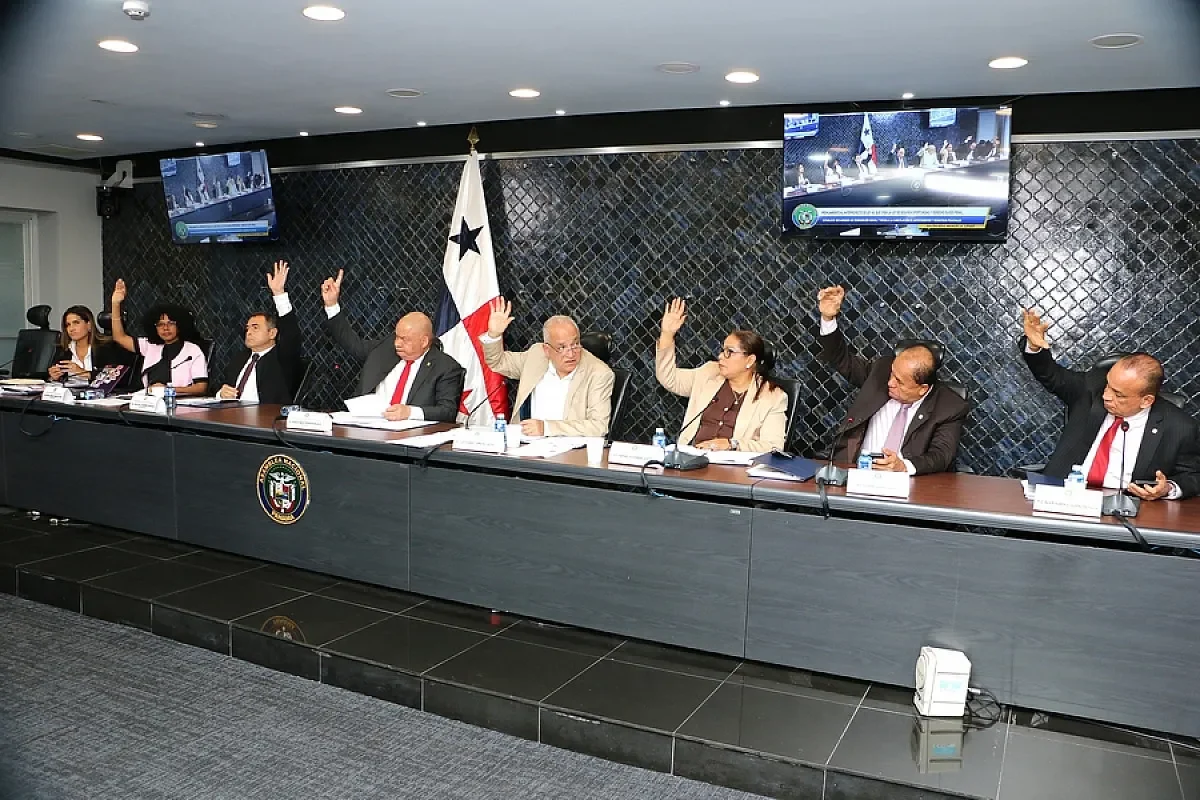
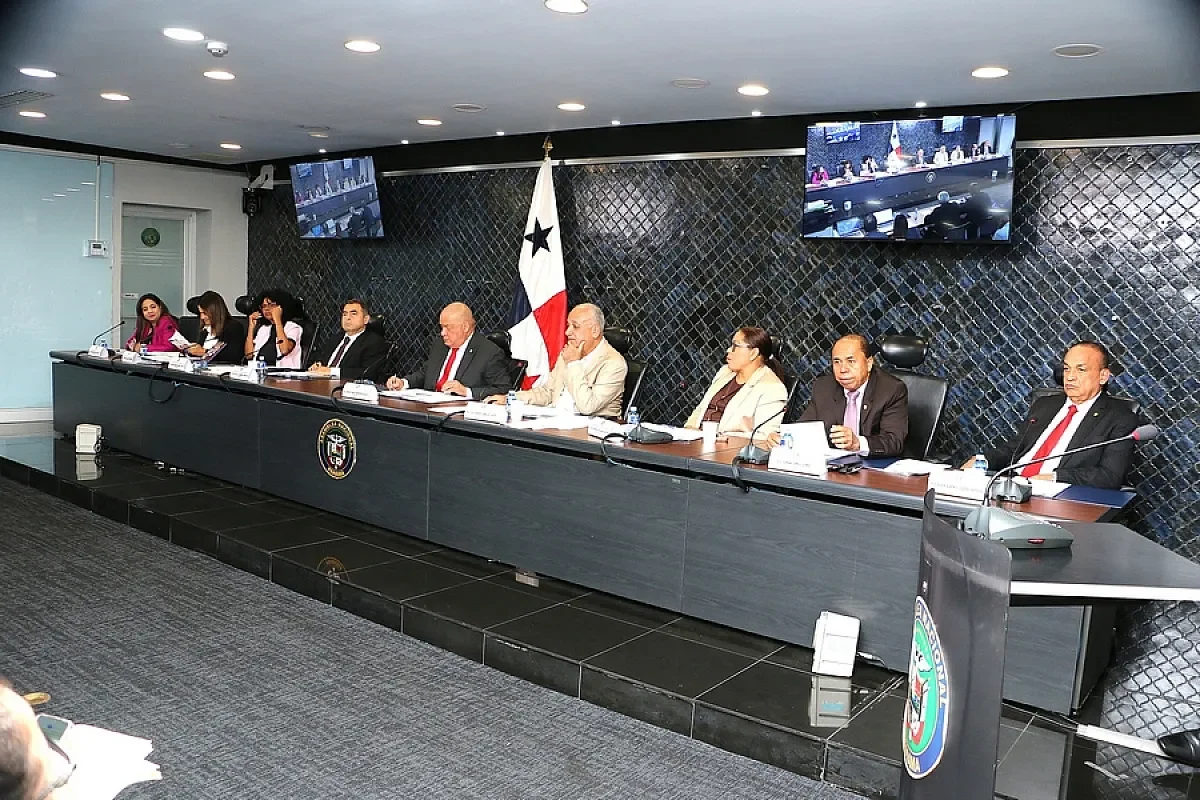
A National Assembly commission in Panama has moved forward with a proposal that would establish the right to be forgotten in the country’s penal system, allowing individuals sentenced to up to three years for certain offenses to have their criminal records and police registries expunged. The Government Commission, led by PRD deputy Benicio Robinson, formally adopted the measure during a session on Wednesday, August 26, 2026, in the Blue Room of the Justo Arosemena Palace, setting the stage for a first debate in the legislature.
The initiative comes from Deputy Isaac Mosquera of the Molirena party, who framed the right to be forgotten as a recognition that people can change and that the legal order must offer genuine opportunities for reintegration. His proposal cleared the commission with seven votes in favor and a single dissenting vote from Deputy Alexandra Brenes of the Vamos caucus, whose objections have come to define the early contours of this legislative fight.
Corruption Offenses Sit at the Heart of the Right to Be Forgotten Debate
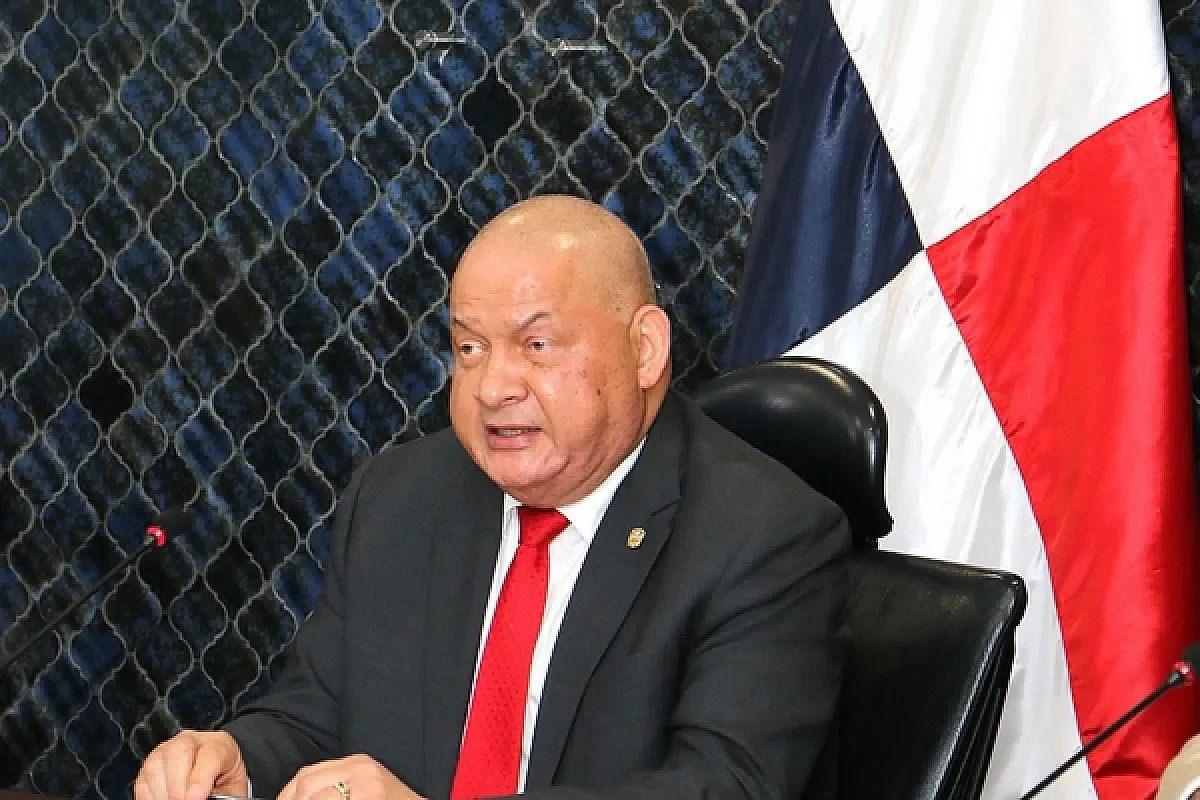
Brenes didn’t oppose the concept of resocialization. But she drew a firm line at extending the right to be forgotten to crimes against public administration, arguing that corruption remains the most serious problem facing Panama. She cited specific Penal Code provisions where sentences fall within the one-to-three-year range, including public servants who authorize works in protected parks, fraud in public contracting, and misuse of state property.
“The public servant who authorizes certain works in protected parks, fraud in public contracting acts, improper use of public goods, where the prescribed sentences are 1 to 3 years. I could not endorse a project that includes the forgetting of these sentences” [Translated from Spanish]
Her warning points to a deeper structural concern. Panamanian law already imposes penalties of six months to four years, plus disqualification from public office, for anyone who manipulates procurement processes, colludes with bidders to inflate prices, accepts payment to exclude competitors, or disseminates false information for advantage in state contracting. If the right to be forgotten becomes law, a person convicted of such offenses could eventually erase the record and regain eligibility for public service, leaving no trace of prior misconduct.
The Penal Code targets both sides of these schemes, punishing private actors who conspire with bidders and public officials who abuse their positions to favor or harm participants. Brenes has specifically highlighted this dual liability, noting that a former official who once used state functions for personal benefit could return to power with a clean slate under the proposed framework.
Wiretapping History and Constitutional Protections
Another category swept into the right to be forgotten proposal involves violations of private communications, an offense carrying one to three years of imprisonment. Brenes invoked the country’s painful history with the “pinchazos” case, a judicial process that probed the interception of private communications belonging to political opponents, journalists, and ordinary citizens during the presidency of Ricardo Martinelli.
Panama protects private correspondence through multiple legal layers, starting with the Constitution. Article 29 declares that correspondence and other private documents are inviolable and cannot be examined or retained except