


At least nine Panamanian families are waiting for news of loved ones, and one family has already lost a relative in combat, while the dangerous pattern of war recruitment Panama refuses to slow down. Officials say citizens are still leaving for Europe to join the fighting in Ukraine and Russia, despite steady public warnings and criminal probes.
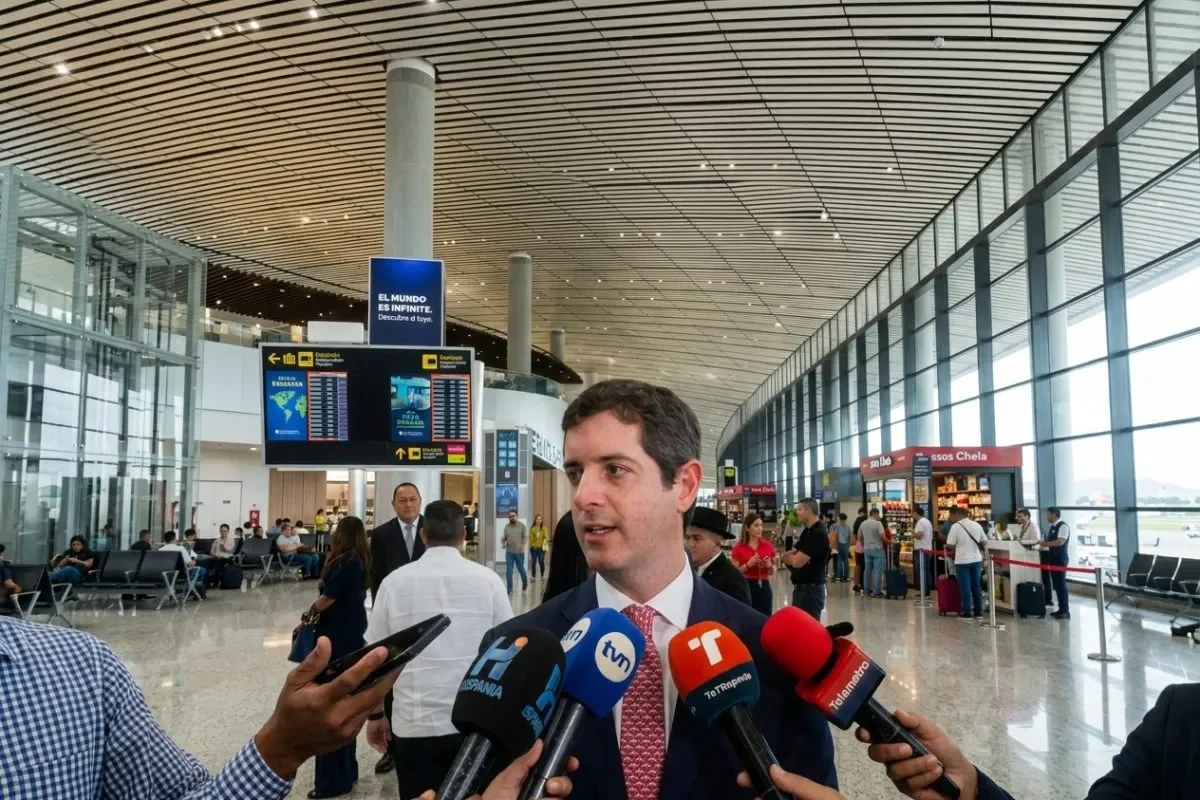
Vice Chancellor Carlos Arturo Hoyos confirmed the continued outflow during a recent official event at Tocumen International Airport. He described a situation that has become more serious than the government wants to admit, with Panamanians appearing in both camps of the armed conflict.
Hoyos did not soften the government’s message.
“We urge, recommend and almost beg Panamanians not to go,” [Translated from Spanish]
he said, emphasizing the extreme danger of traveling to active combat zones.
Panamanians Fighting on Both Sides of the Conflict
Official data places 30 Panamanian citizens inside the war zone. Twenty-one have been linked to Russian forces, while nine have joined Ukrainian units. Those numbers may look small against the wider conflict, but they have set off serious alarms in a country far removed from the war’s geography.
Hoyos said the current count is higher than anyone in the government would like to see. Monitoring is constant, but stopping citizens from boarding planes remains difficult when recruitment methods are hidden and personal. Panamanians are not traveling as observers. They are entering the front lines, and their presence spans both sides of the war.
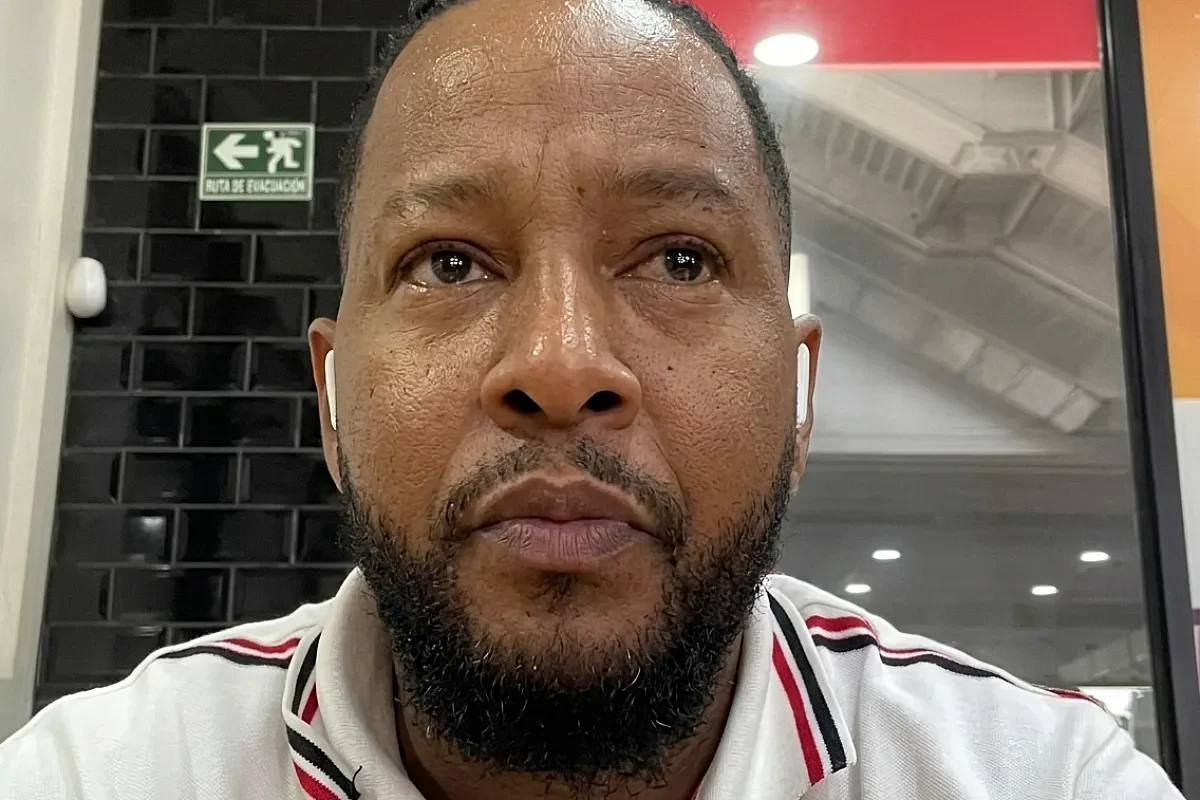
The human cost has already become devastating for families. Besides the nine people officially recorded as missing, one Panamanian has died in combat. Every disappearance opens a new wound and raises questions about who arranged the travel, what promises were made, and whether laws were broken before departure.
War Recruitment Panama Investigations and Detentions
Prosecutors now treat recruitment inside Panama as a serious criminal matter. The Public Ministry has opened six separate investigations focused on the possible enlistment of fighters within the country. Those cases have already produced concrete legal results, with three people placed under provisional detention while the files move forward.
These cases mark the most visible judicial response yet to war recruitment Panama, a problem that has shifted from diplomatic concern to a criminal enforcement priority. The judicial push aims to break up networks that may be facilitating or profiting from the transfer of Panamanians to foreign battlefields.
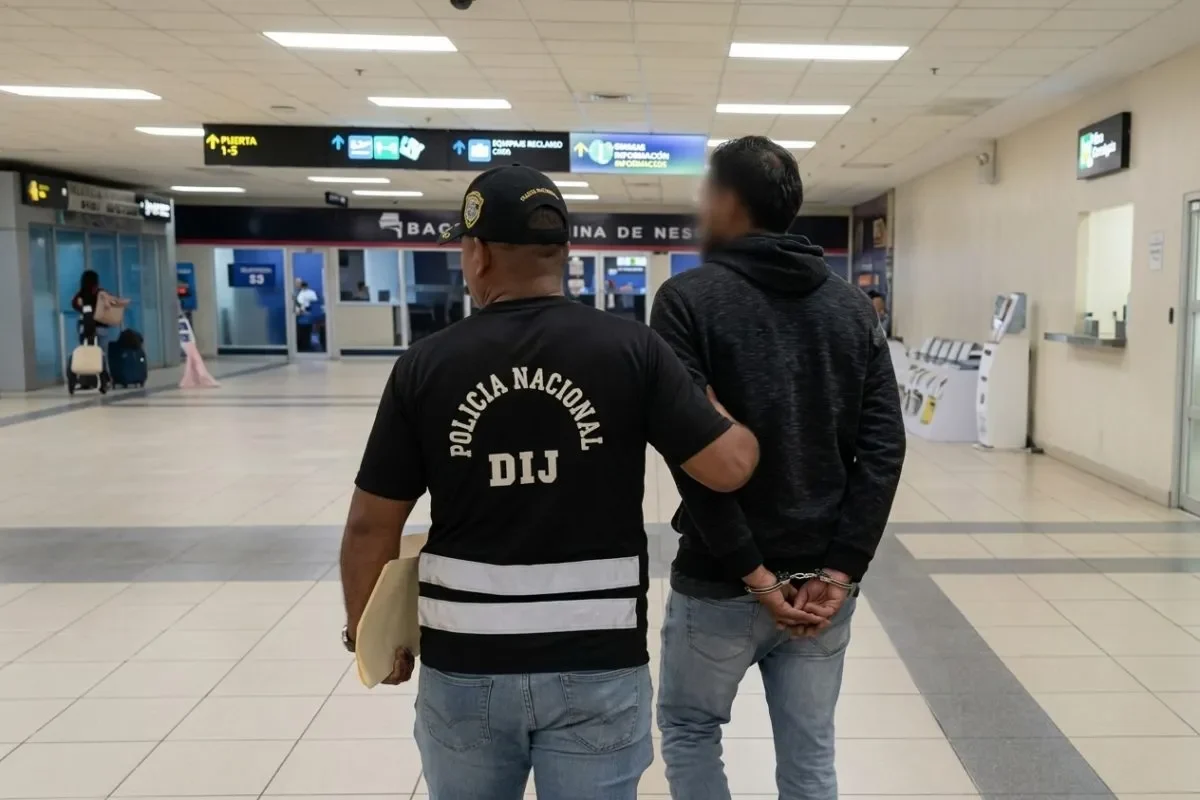
Recruitment schemes often travel through word of mouth, false promises, and targeted appeals to vulnerable people. Mothers have publicly cried for help, demanding their children be returned and insisting their sons were recruited under false pretenses. Details of the individual investigations remain limited, but the justice system’s signal is clear. People who recruit Panamanians for a foreign war could face criminal consequences at home, even if the fighting itself happens thousands of miles away.
Consular Help and Family Support for Missing Citizens
The government has not abandoned those already caught in the conflict. Hoyos said Panamanian authorities have provided consular assistance to families and citizens who requested it, in line with the state’s legal responsibilities. That support becomes extremely delicate when a citizen is missing or may be held inside a war zone.
Diplomatic teams continue to track the cases, but the practical reach of consular services in active combat areas remains limited. For relatives in Panama, each update from officials can bring both relief and agony, because the information often confirms how little can be done from a distance.
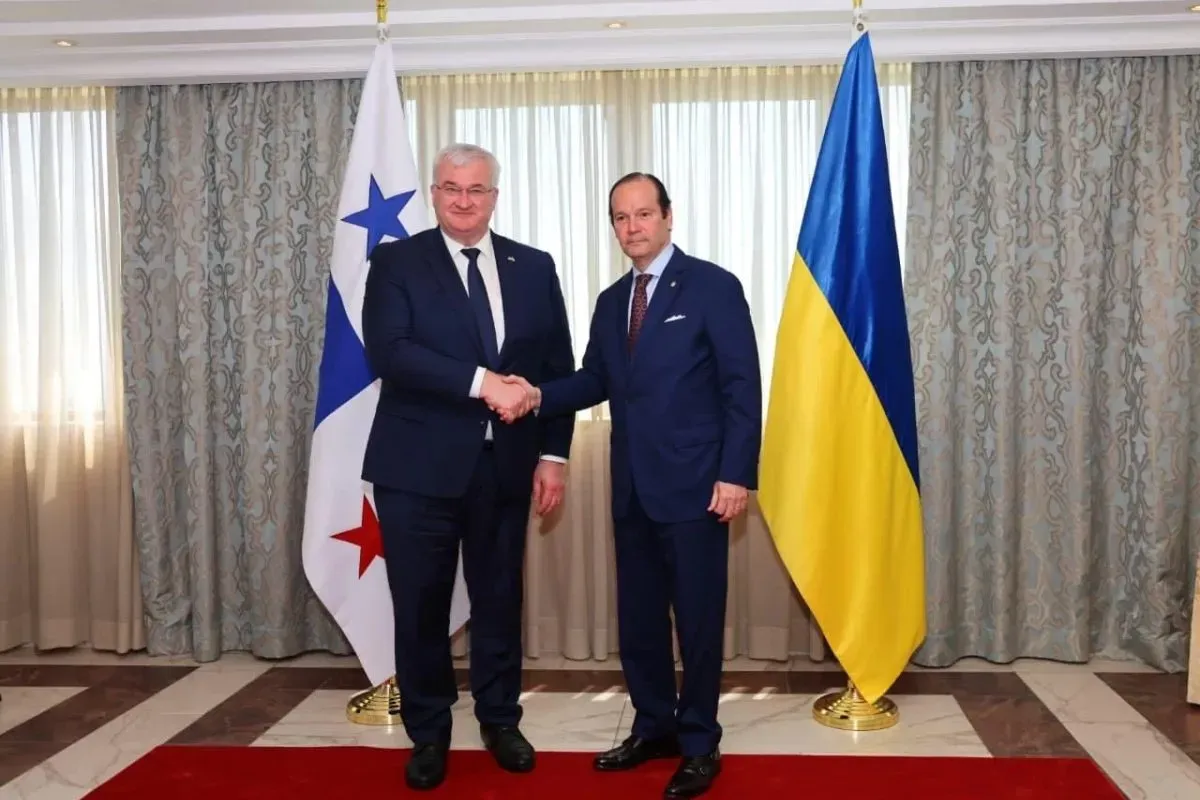
The vice chancellor’s plea was directed not just at young people considering an offer, but also at parents, siblings, and friends who might hear about recruitment attempts. Stopping the next departure may depend on an immediate rejection at the family and community level, before a passport is ever used.
Why the Government Keeps Sounding the Alarm
Panama has no reason to send its citizens to a war in Eastern Europe, and every reason to keep them out of it. The government’s repeated warnings are not rhetorical. They reflect a real fear that more Panamanians will be killed, captured, or simply vanish in a conflict that does not involve their country.
Authorities continue to ask the public not to accept offers or invitations to join either side of the war. that Panamanians are appearing among both Russian and Ukrainian forces complicates the diplomatic picture and makes consular work harder. A citizen on one side may be considered an enemy by the other, and the legal protections of a distant government can only go so far.
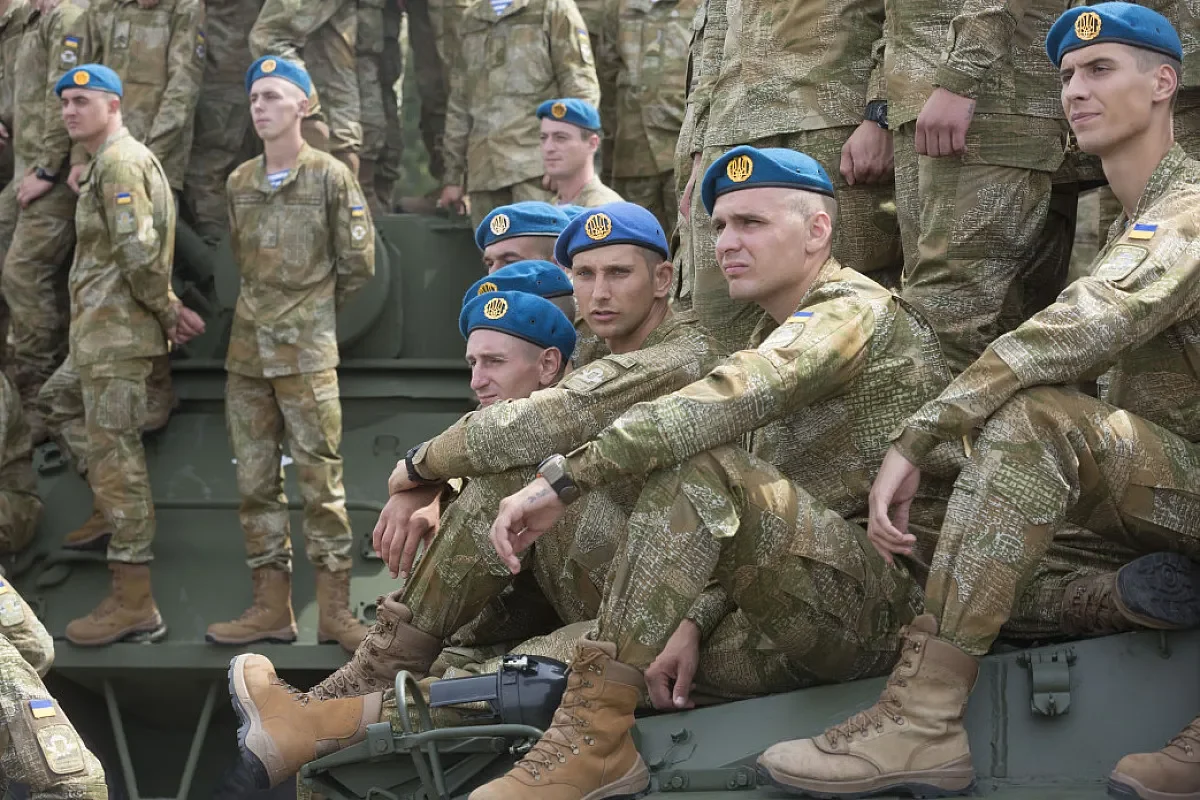
The persistence of war recruitment Panama suggests that criminal networks and persuasive recruiters still find ways to reach citizens despite the warnings. Recruiters often exploit economic desperation, promising money, travel, or documents that never materialize once a person reaches the combat zone.
In summary, the numbers are sobering. Thirty citizens linked to the front, six open criminal investigations, three detainees, nine missing, and one dead. Each figure represents a family caught in a situation that no public plea has yet been able to stop.
Until recruitment routes inside Panama are dismantled, authorities fear the list of missing and fallen citizens will keep growing. The battle may be far from Panama, but the consequences have already arrived home.