


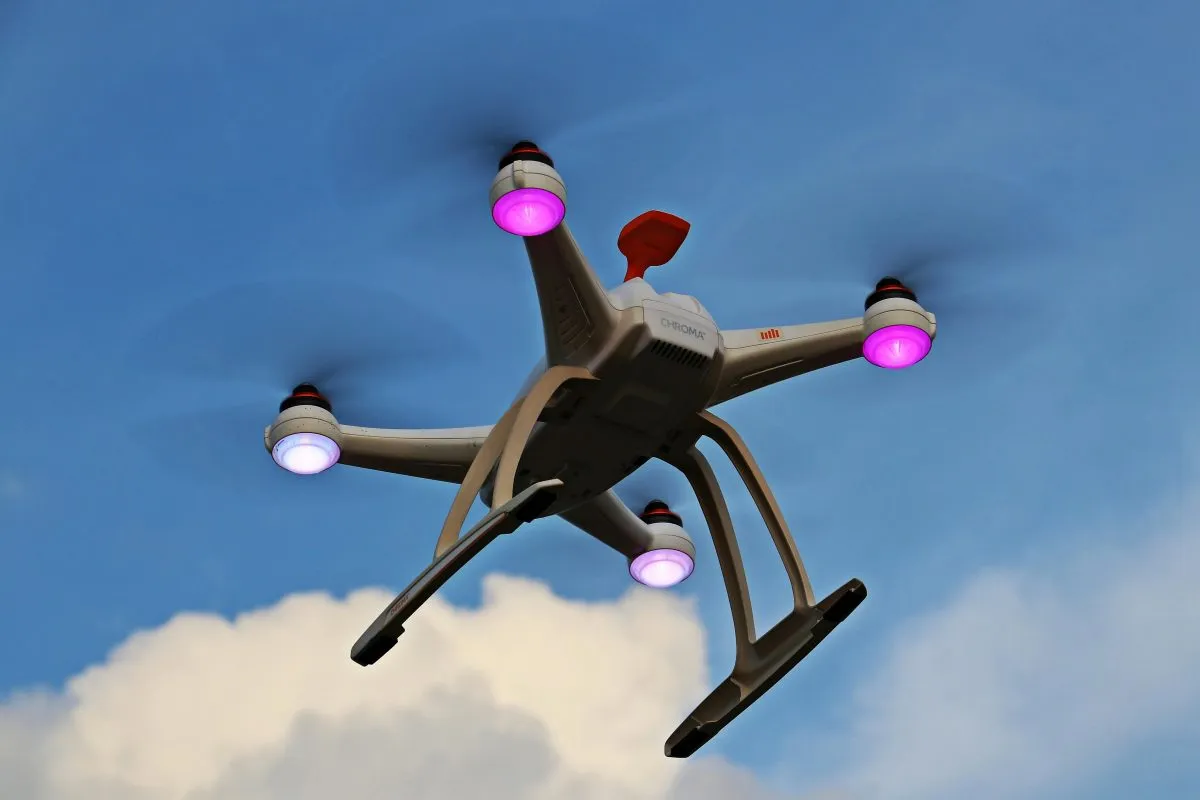
Panamanian prison authorities now detect approximately 60 unmanned aerial vehicles daily near correctional facilities as part of a major security upgrade. Jorge Torregrosa, director of the Penitentiary System, confirmed the figures this week, attributing the high interception rate to new video surveillance technology designed to stop contraband drops.
The sophisticated monitoring system identifies and tracks drones attempting to breach prison perimeters. These devices are commonly used to smuggle prohibited items like drugs, weapons, and cell phones into inmate populations. Torregrosa stated the technology represents a critical front in the national security strategy for Panama‘s detention centers.
“We are doing everything we can within our budgetary constraints to strengthen our technology,” Torregrosa said. [Translated from Spanish] “We have been emphatic about that. We are already implementing it in the main complex and will soon do so in Nueva Esperanza, in Colón.”
The urgent need for enhanced measures was underscored by a recent fatal incident at the Nueva Esperanza centro penitenciario prison. Officials report an inmate died after falling while attempting to retrieve a package suspected to have been dropped by a drone. This tragedy has accelerated plans to expand counter-drone systems nationwide.
Technology Deployment and Future Security Plans
Current operations focus on the La Joya, La Joyita, and La Nueva Joya prison complexes where the monitoring is active. The system includes a jamming capability that allows guards to disable approaching Unmanned aerial vehicle (drone) units. This prevents deliveries and grounds the devices for confiscation.
Torregrosa explained the rollout is progressive due to funding and infrastructure challenges. The next facility scheduled for the upgrade is the Nueva Esperanza prison in Colón Province, the site of the recent death. Officials hope the visible security presence will deter future smuggling attempts and reduce inmate demand for contraband.
Prisoner rehabilitation programs, like the one at nueva esperanza that recently saw hundreds graduate, operate alongside these stringent security measures. The government portrays this dual approach as essential for maintaining order while offering inmates pathways to reform. The drone interdiction effort directly supports that mission by cutting off the flow of illegal goods that fuel internal violence and gang activity.
Authorities have not released details on the contents of intercepted drone packages. They also declined to specify the exact number of successful infiltrations prior to the new system’s installation. The daily detection count of sixty drones, however, reveals the staggering scale of the smuggling problem facing the penal system. Each intercepted flight potentially represents averted assaults, overdoses, or coordinated criminal activity from within prison walls.
Panama’s strategy mirrors broader regional efforts to combat high-tech contraband in prisons. The use of consumer-grade drones for smuggling has become a pervasive challenge for correctional institutions worldwide. The Panamanian government’s investment in dedicated counter-drone technology signals a significant escalation in its response. Officials maintain that preserving institutional security is a prerequisite for any social reintegration program to succeed.