


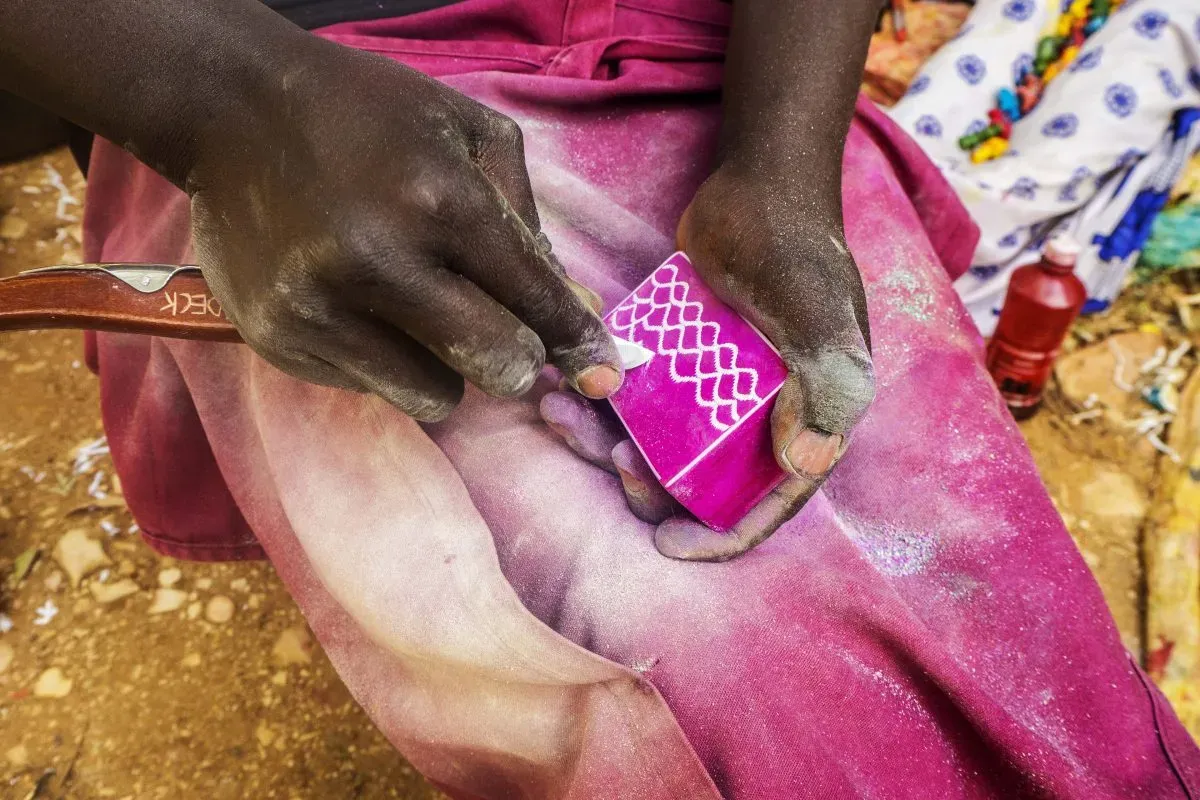
Artisans in the rural community of La Mina de Mebrillo are celebrating their unique cultural legacy this week. The annual Soapstone Festival is transforming raw stone into intricate sculptures, drawing visitors and boosting the local economy in Panama’s Coclé Province.
This event, which concludes Sunday, highlights a generations-old craft centered on a specific natural resource. The soapstone used by the artisans comes from a single cave deposit discovered decades ago. Organizers say the festival underscores the sustainable use of local materials.
From Cave to Craftsmanship
The entire artistic process begins at a cave formation where the raw stone is extracted. Artisans then transport the unshaped blocks to their workshops. Transforming this materia prima/ raw material into finished art involves multiple stages of cutting, carving, and polishing.
Veteran craftsman José Mariano detailed the intensive labor behind each piece. He described a physically demanding sequence of tasks from quarrying to final detailing. “It is a strong process,” Mariano said. “You must first go to the deposit, then carry the stone home, then cut it and only then make the craft. There are several stages.” [Translated from Spanish]
“The carving of soapstone is born from the hand and ingenuity of the artisan from the Mebrillo community. It is a treasure.”
Marle Franco Martínez, a teacher and granddaughter of the deposit’s discoverer Lorenzo Martínez Chirú, served as a festival judge. She emphasized the deep connection between the material and the community’s identity. Her statement framed the craft as a local birthright. [Translated from Spanish]
Sculpting a Sustainable Future
Festival activities this year included timed sculpting competitions that tested artisans’ speed and skill. Participants demonstrated their talent by molding rough stone into recognizable forms under pressure. Martínez noted the technical requirement to work the stone dry using simple hand tools, a method that highlights manual dexterity.
The Panama Ministry of Environment endorsed the event in an official communication. The ministry stated the celebration highlights the value of natural resources and community work while driving local development and sustainable tourism. Officials see it as a model for culturally-rooted economic activity. [Translated from Spanish]
Demand for specific sculptures shapes production. Bolívar Ojo, an artisan with 66 years of experience, identified the elephant as one of the most requested figures. He expressed enthusiasm about the festival’s success and its broad appeal. “Both young people and adults are interested in acquiring the creations,” Ojo observed. [Translated from Spanish]
Other popular items include golden frogs, pen holders, and religious images. Price points remain accessible, ranging from $1.50 to $50. This strategy allows visitors with different budgets to purchase a handmade piece directly from its creator.
Cultural Rhythm and Economic Impact
The festival atmosphere extends beyond commerce. The sounds of cumbia norteña music fill the air, with maracas, accordion, and drums playing from traditional ranchitos. This blend of craft, music, and entrepreneurship creates a vibrant community gathering space.
Young artisan María Rosa Martínez, who specializes in wood carving, encouraged public participation in the remaining festival days. She pointed to the event’s critical role in community growth and visibility. Her invitation underscores a collective effort to preserve and promote these traditions.
For La Mina de Mebrillo, the soapstone is more than a mineral. It represents history, livelihood, and a tangible link to the past. Each carved figure, whether an animal or decorative object, results from a patient and precise process. The festival ensures that this knowledge passes to new generations while providing immediate economic benefits. It turns local identity into a catalyst for sustainable development.