


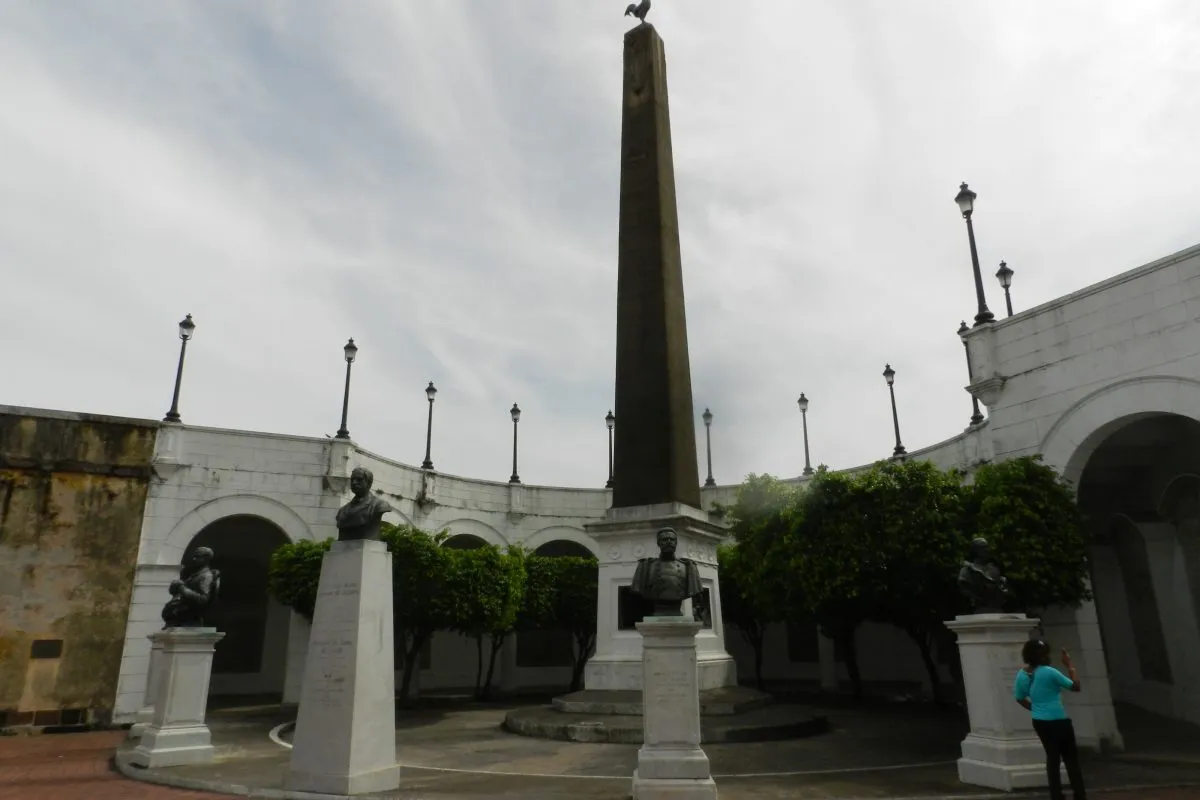
Panama City has officially launched a major restoration project for the France Plaza and the Punta Chiriquí colonial wall. The Panama Ministry of Culture started the work this week at one of the most iconic heritage sites in the Historic District of Panama City. Crews moved equipment and machinery into place during the early hours of Wednesday.
📑 Table of Contents
The operation involved a complex logistics plan for transporting containers and setting up a construction camp. Officials coordinated the move with local residents, business owners, and transit authorities. The project represents a comprehensive effort to restore and enhance the historic landmark.
This first phase focuses on preparing the site for specialized conservation work. The Panama Ministry of Culture is leading the initiative alongside the Traffic and Land Transportation Authority and the Ministry of Public Security. A private construction firm is handling the contract work.
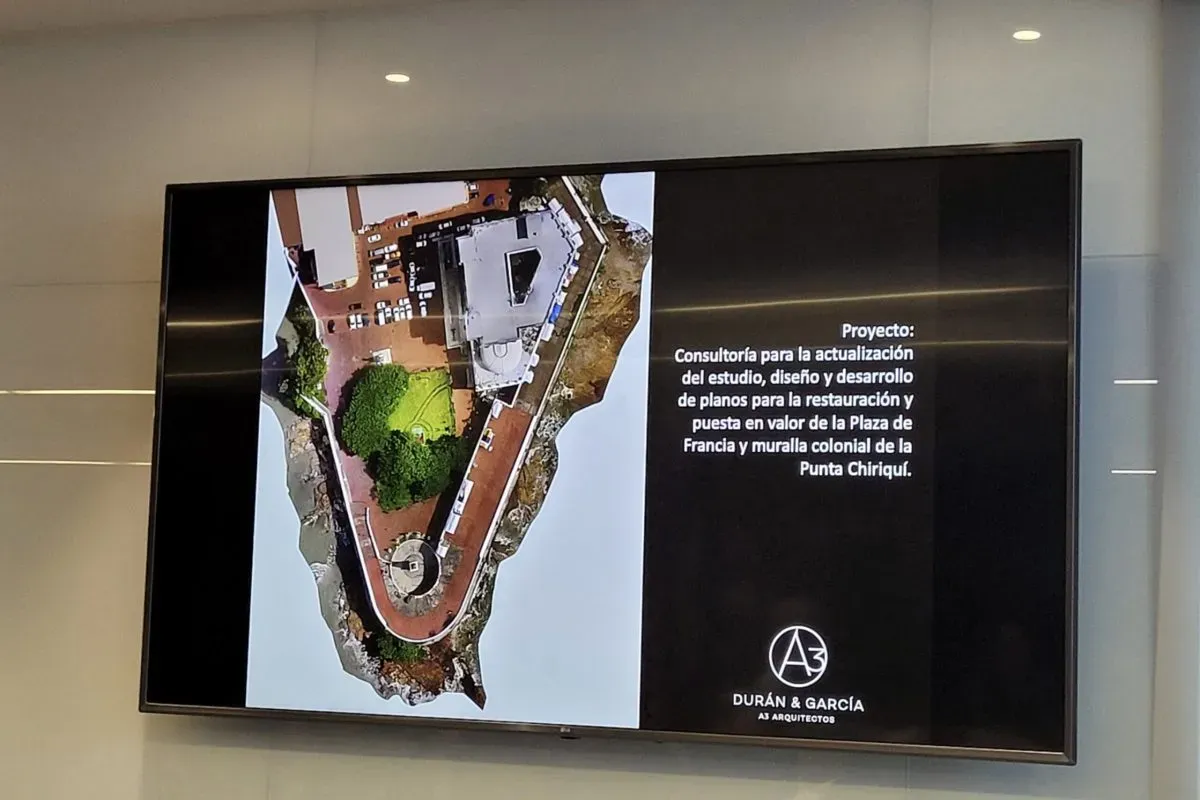
Restoration Plans and Heritage Standards
The intervention will target architectural, structural, and urban restoration across multiple areas. Workers will address the plaza itself, its green spaces, the hemicircle, the colonial wall, and sections of the Esteban Huertas Promenade. All work must follow international UNESCO World Heritage conservation criteria.
Specific tasks include restoring pavements and coverings. Crews will recover architectural and ornamental elements. Urban and landscape improvements are also planned. Structural reinforcement will strengthen circulation areas and heritage viewing points.
This restoration will preserve and enhance the historical, cultural, and tourist value of this important public space, the Ministry of Culture stated in a press release. [Translated from Spanish]
The France Plaza and Punta Chiriquí colonial wall hold deep historical significance. The wall dates back to the 17th century. It remains a key surviving piece of the colonial defensive system that protected the old city of Panama.
Historical and Cultural Significance
The site connects to multiple layers of national history. It recalls the republican era, the engineering of the Panama Canal, and the colonial defense network. UNESCO recognized the area as a World Heritage site for its exceptional universal value.
Officials believe the project will strengthen the Casco Antiguo as a living space for culture. The Ministry expects benefits for sustainable tourism, heritage education, and economic development. Residents, national visitors, and international tourists will all gain from the improvements.
Workers will handle every element with care. They must balance modern restoration techniques with strict preservation rules. The colonial wall alone requires specialized methods to maintain its structural integrity and historical character.
The Ministry of Culture asked for patience and cooperation during construction. They emphasized that these efforts protect national heritage for future generations. Local businesses and residents have been notified about potential disruptions and access changes.
This project is part of a broader push to maintain Panama’s historic sites. The country has invested significantly in cultural preservation in recent years. Restoration work is expected to continue for several months, with the Ministry providing regular updates on progress.