


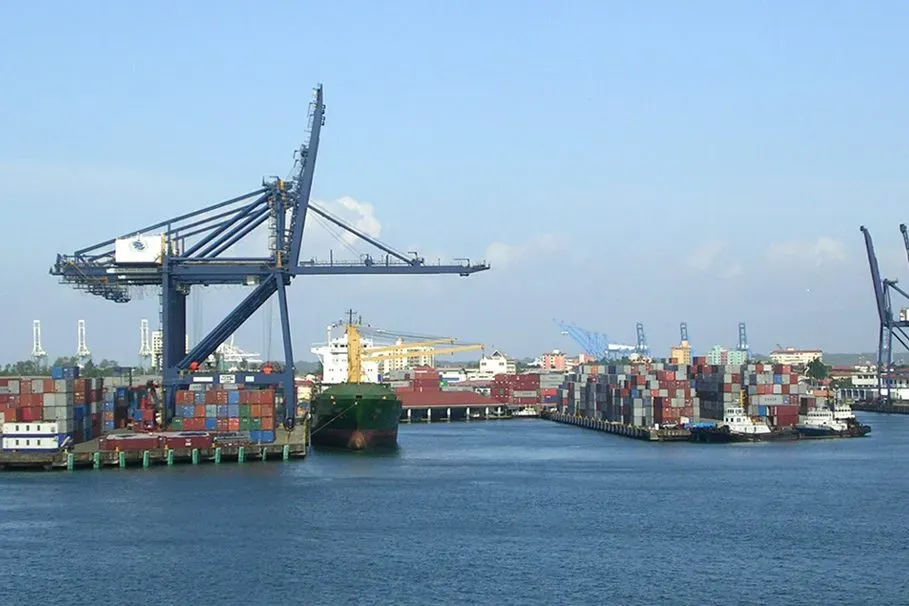
CK Hutchison Holdings is pursuing a massive $2 billion claim against Panama through international arbitration. The Hong Kong-based conglomerate alleges the state illegally seized control of two critical ports adjacent to the Panama Canal. Its subsidiary, Panama Ports Company (PPC), filed the claim following a Supreme Court ruling that annulled its operating contract.
The legal action challenges an executive decree used by the panamanian government to occupy the Balboa and Cristóbal port facilities in late February. Authorities confiscated property including cranes, vehicles, and computer systems during raids that also removed over 100 boxes of company records. The dispute now moves to a tribunal under the rules of the International Chamber of Commerce.
“They will not relent and they are not coming for some token relief,” PPC and Hutchison stated last Friday. The companies condemned what they labeled “radical breaches and anti-investor conduct” by Panama. [Translated from Spanish]
PPC has also demanded the return of proprietary documents it says were unlawfully taken, claiming they were unrelated to port operations. CK Hutchison supplemented a prior legal notice by alleging a lack of government transparency. It claims officials disregarded required communications before the takeover.
Contract Annulment Triggers International Fallout
Panama’s Supreme Court set this conflict in motion last month. The court declared unconstitutional a 25-year contract extension granted to CK Hutchison in 2021. That ruling immediately voided the company’s concession to operate the ports, which it had managed since 1997. Government reservations began surfacing in early 2025 following a lawsuit accusing the operator of tax avoidance.
A subsequent three-month audit concluded the company owed Panama approximately $300 million in back payments since its concession was extended. Domestic pressure mounted with lawsuits from the comptroller general and sharp criticism from the attorney general. The panamanian government alleging financial misconduct found a legal basis for its actions in the court’s annulment.
International tensions surrounding the panama canal ports had been simmering for over a year. A proposed $22.8 billion deal would have seen a BlackRock and Mediterranean Shipping Company consortium acquire these and over 40 other ports from CK Hutchison. That agreement collapsed after China opened an antitrust investigation and reportedly demanded a controlling stake for Cosco Shipping.
Panama’s court ruling made the international bickering moot. It effectively shelved the global sale by voiding the underlying asset. Negotiations for the other 41 ports outside Panama are reportedly still ongoing.
New Operators Take Control Amid Global Scrutiny
Following the seizure, the panamanian government placed the ports under interim management. Maersk’s APM Terminals now controls the Balboa terminal, while MSC’s Terminal Investment Limited runs Cristóbal. Both companies received 18-month assignments, with Panama expected to award long-term concessions before each period ends.
The situation has drawn high-level diplomatic attention. U.S. Secretary of State Marco Rubio met with Panamanian President José Raúl Mulino in Miami last Saturday. Their discussions focused on strengthening bilateral cooperation. “U.S. companies will begin to have greater participation in bidding processes in Panama in this new era of relations with the United States,” Rubio stated after the meeting.
That statement hints at the geopolitical undercurrents long surrounding the canal. Former U.S. President Donald Trump had previously expressed a desire to “take back” the strategic waterway. American lawmakers have repeatedly voiced concerns about Chinese influence over this critical trade artery, claims Panama consistently rejects.
China is now directly engaging the new port operators. Its Ministry of Transport summoned Maersk and MSC for discussions on “international shipping operations” this Monday. The brief statement from the government agency revealed little detail, but multiple reports suggest a link to the Panama situation.
One maritime industry report suggests Beijing may be preparing retaliatory measures. Maersk and MSC could face pressure for acting as facilitators of the forced asset seizure. Another report ties the summons to broader supply chain disruptions in the Strait of Hormuz, where both carriers have suspended bookings due to regional conflict.
The International Arbitration claim now represents the central legal battlefield. A successful $2 billion award would deal a severe financial blow to Panama. The case also serves as a stark warning to other foreign investors in the country’s infrastructure. For CK Hutchison, the process could take years but offers a potential path to recoup a portion of its lost investment.
Panama’s transport ministry must now navigate operating the ports efficiently while defending against the colossal arbitration claim. The coming months will test the interim operators’ ability to maintain seamless logistics at a crucial global trade node. All this unfolds against a backdrop of intense great power interest in a waterway that handles roughly six percent of world trade.